
Termites in a garage door frame are easy to overlook until the damage is already serious. Unlike a broken hinge or peeling paint, termite activity hides inside the wood — quietly hollowing it out from within while the surface looks completely normal. By the time most homeowners notice something wrong, the infestation may have been active for months or longer.
Knowing how to treat termites in garage door frame situations starts with confirming that termites are actually the problem, understanding how far the damage may have spread, and choosing the right response for your specific situation. Garage door frames sit close to soil, collect moisture, and often go uninspected for years — all conditions that termites thrive in. This guide walks you through every stage of the process, from identification to treatment to prevention, in a way that’s practical, responsible, and beginner-friendly.
Why Garage Door Frame Matters
A garage door frame does more than hold the door in place. It supports the surrounding wall structure, connects to the header above the opening, and often sits directly against concrete, soil, or both. When termites compromise that wood, the structural integrity of the entire opening can weaken — which puts pressure on the door hardware, causes misalignment, and in serious cases, affects the load-bearing capacity of the wall itself.
Termites also don’t stay contained to one piece of wood. A colony that starts in an exterior door frame will follow the grain and moisture into adjacent wall framing, floor plates, and interior wood if left unchecked. Early action costs far less than delayed action. Treating the problem at the frame stage — before it spreads deeper into the structure — is the single most effective thing a homeowner can do to limit both damage and repair costs.
Step-By-Step Guide To How To Treat Termites In Garage Door Frame
Step 1: Confirm You’re Actually Dealing With Termites
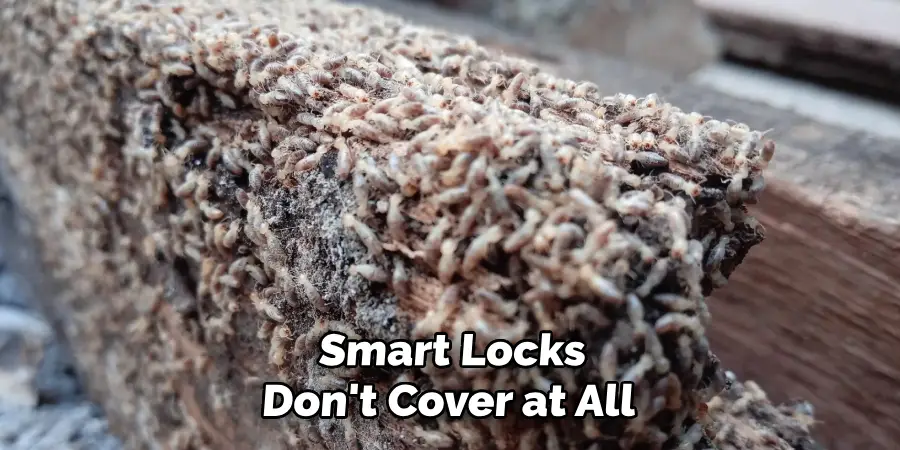
Before spending money on treatment, confirm the pest is termites and not carpenter ants, wood-boring beetles, or simple wood rot. Termites leave specific signs: mud tubes along the wood surface or foundation, hollow-sounding wood when tapped, and frass that looks like tiny pellets or sawdust depending on species. Subterranean termites leave mud-based frass or none at all, while drywood termites produce dry, pellet-shaped droppings.
Carpenter ants excavate clean galleries in wood and leave coarser debris behind. Wood rot produces soft, discolored, fibrous decay without the tunneling pattern termites create. Misidentifying the problem leads to the wrong treatment and wasted time. Spend ten minutes doing a careful visual inspection before committing to any product or repair plan.
Step 2: Inspect The Full Extent Of The Damage Around The Frame
Once you’ve confirmed termite activity, assess how far it has spread. Use a flathead screwdriver or awl to probe the wood around the affected frame — push the tip gently into the wood surface at multiple points. Solid, healthy wood resists the probe firmly. Termite-damaged wood feels soft, crumbles, or allows the tool to sink in with little pressure. This test takes a few minutes and gives you a clear picture of how much material is compromised.
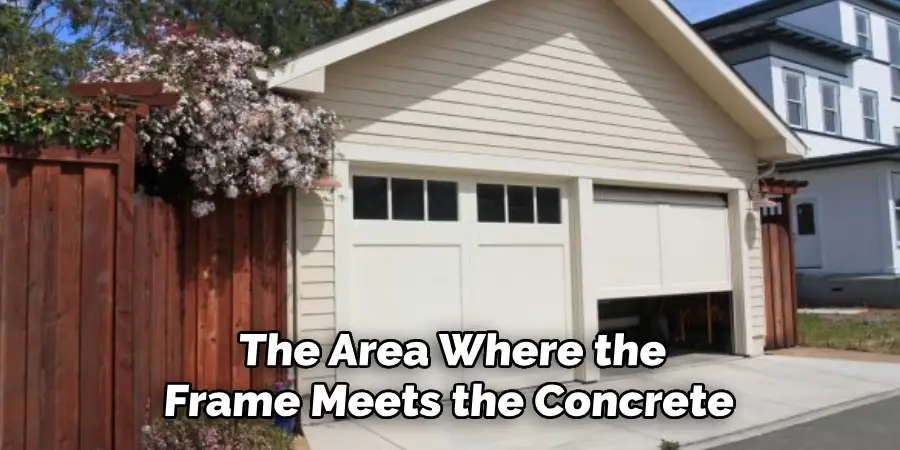
Check the sill plate at the bottom of the frame, the king and jack studs on each side of the opening, and the header above. Also inspect any adjacent baseboards, drywall at the base of the wall, and the area where the frame meets the concrete or foundation. If the damage extends significantly into wall framing beyond the visible door frame, professional assessment becomes much more important.
Step 3: Check For Moisture Sources And Soil Contact
Termites need moisture to survive, and garage door frames are frequently exposed to both. Look for cracks in the slab or threshold that allow soil-to-wood contact, gaps in weatherstripping that let water pool at the base of the frame, and any leaking gutters or downspouts that direct water toward that wall. Subterranean termites in particular require moisture and travel through soil — eliminating their access points makes any treatment significantly more effective.
Correct drainage issues, seal cracks in the foundation near the frame, replace deteriorated weatherstripping, and ensure mulch or soil isn’t piled against the exterior wall near the garage opening. These aren’t just preventive steps — they actively reduce the conditions that allow an existing colony to maintain its presence in the wood.
Step 4: Direct Wood Treatments
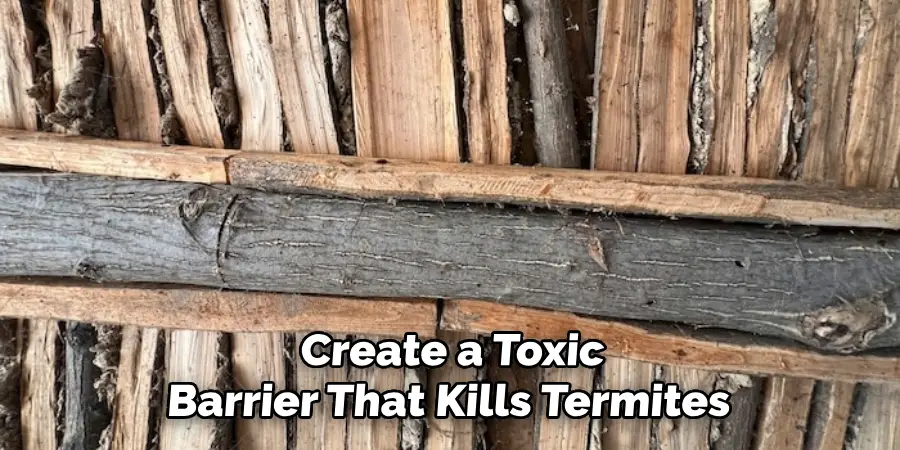
For minor, localized drywood termite activity in accessible wood, direct wood treatments are an option available to homeowners. Borate-based products — such as those containing disodium octaborate tetrahydrate — penetrate wood and create a toxic barrier that kills termites on contact and through ingestion. These products are available at hardware stores, are relatively low in toxicity to humans and pets when used as directed, and are legal for homeowner use in most areas.
Apply the product directly to exposed, unpainted wood surfaces according to the label instructions. Injecting foam formulations into galleries through small drilled holes is another option for reaching activity inside the wood without complete disassembly. Always read the full product label before use, follow all safety precautions, and check your local regulations — some states restrict specific termiticide applications to licensed applicators only.
Step 5: Address Mud Tubes And Subterranean Colony Access
If you find mud tubes — pencil-width tunnels of soil and termite saliva running along the foundation, frame base, or concrete near the door — you’re dealing with subterranean termites, which require a different response than drywood species. Breaking open a mud tube and checking for live termites tells you whether the colony is currently active in that location.
Subterranean termites are colony insects that travel from soil to food source through these tubes, and the colony itself lives underground. Treating only the wood in the frame will not eliminate the colony. Liquid soil termiticides or bait station systems are the standard approaches for subterranean infestations, and most of these require a licensed pest professional to apply legally and effectively. DIY soil treatment products exist but are limited in coverage and often insufficient for established colonies.
Step 6: Replace Structurally Damaged Wood Before Treating Or Closing Up
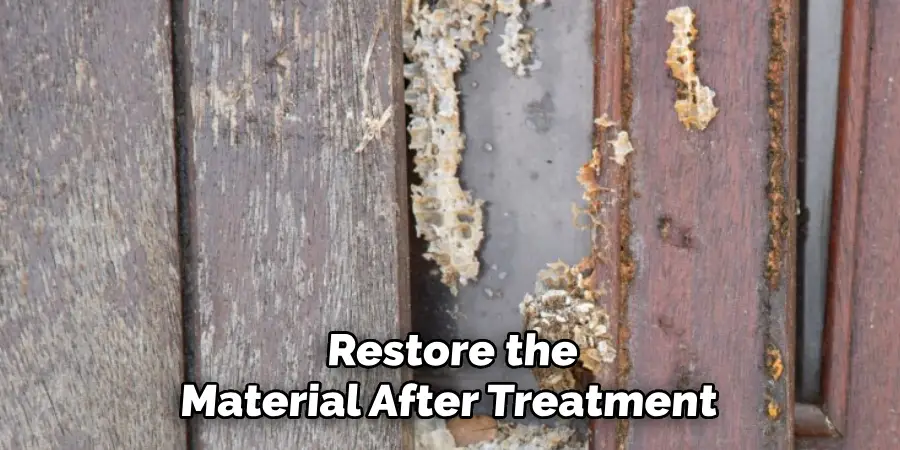
If the wood is hollow, crumbling, or no longer structurally sound, treatment alone is not enough — damaged wood needs to be removed and replaced. Applying a termiticide to wood that has lost its load-bearing capacity does nothing to restore the structure. For minor surface damage with no structural compromise, wood hardeners and epoxy fillers can stabilize and restore the material after treatment.
For sections where the king stud, jack stud, or sill plate has significant damage, replacing the affected lumber is necessary. This requires temporarily supporting the header above the opening, removing the compromised framing, treating adjacent material, and installing new pressure-treated lumber. If you’re not comfortable with structural framing work, this step should be handled by a licensed contractor — ideally after a pest professional has completed colony treatment.
Frequently Asked Questions
How Do I Tell The Difference Between Termites And Carpenter Ants In Wood?
Termites leave mud-packed galleries, hollow wood, and produce frass that looks like fine pellets or paste depending on species. Carpenter ants excavate smooth, clean tunnels and leave behind coarser wood shavings mixed with insect debris. Termites are rarely seen in the open, while carpenter ants are often visible moving along wood or walls near the nest.
Can I Treat A Termite Problem In A Garage Door Frame Myself?
Minor, accessible drywood termite activity can sometimes be treated with borate-based products by a homeowner following label directions. However, subterranean termite infestations almost always require professional colony-level treatment to eliminate effectively. If you’re unsure which species is present, or if the damage is extensive, a licensed pest professional is the more reliable and responsible choice.
How Long Does It Take For Termites To Seriously Damage A Door Frame?
Damage speed depends on species, colony size, and moisture levels. Subterranean termite colonies can compromise structural wood in six to twelve months under favorable conditions. Drywood termite colonies grow more slowly but are harder to detect. Either way, the sooner activity is identified and addressed, the smaller the repair and the lower the overall cost to the homeowner.
Should I Replace The Door Frame Even If Termites Are Gone?
If the wood is hollow, soft, or no longer structurally sound, yes — it should be replaced regardless of whether live termites are still present. Damaged wood cannot recover its strength through treatment alone. However, if the frame is structurally intact and the damage is cosmetic or surface-level only, a wood hardener and borate treatment may be sufficient to stabilize and protect it.
What Type Of Wood Is Best For Replacing A Termite-Damaged Garage Door Frame?
Pressure-treated lumber rated for ground contact is the best choice for replacing any framing that sits near soil, concrete, or areas prone to moisture. Borate-treated wood is another option that resists both termites and fungal decay. Avoid untreated pine or standard framing lumber for replacement sections near the garage slab or exterior threshold, where moisture and soil contact are likely.
Conclusion
Termite damage in a garage door frame doesn’t fix itself — and it rarely stays contained to the area where you first notice it. The most effective approach combines accurate identification, targeted treatment, structural repair where needed, and elimination of the moisture and soil conditions that made the infestation possible in the first place.
Understanding how to treat termites in garage door frame situations means knowing the limits of DIY work as clearly as you know the steps. Borate treatments and moisture correction are meaningful actions a homeowner can take right now. But when subterranean colonies are involved, when damage has spread into the wall, or when you’re simply not sure how extensive the problem is, a licensed pest professional gives you certainty that a store-bought product cannot. Act early, inspect thoroughly, and don’t let a manageable problem become a structural one.

I am Rick. I grew up helping my dad with his handyman service. I learned a lot from him about how to fix things, and also about how to work hard and take care of business. These days, I’m still into fixing things- only now, I’m doing it for a living.
I’m always looking for new ways to help people grow and develop. That’s why I have created this blog to share all my experience and knowledge so
that I can help people who are interested in DIY repair.