
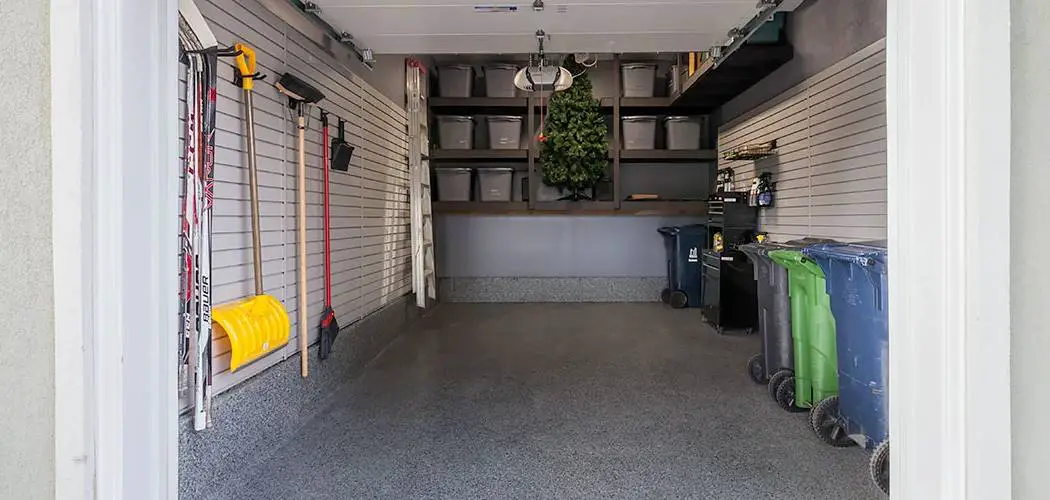
Navigating a vehicle into a cramped garage can feel like threading a needle in the dark. The fear of scraping a mirror, denting a door, or misjudging the distance to the wall is a common source of anxiety for many drivers. Whether you’re dealing with a narrow single-car garage, support pillars, or sharing space with another vehicle, the margin for error is slim.
The stress is real, but the skill is learnable. Learning how to park in a tight garage spot is not about luck; it’s about technique, patience, and using clever reference points to guide you safely. This guide will break down the process into simple, repeatable steps, transforming your parking dread into daily confidence. You’ll soon be able to glide into even the most challenging spaces without a second thought.
Step-by-Step Guide on How to Park in a Tight Garage Spot
Perfecting your parking technique is all about following a consistent, deliberate process. These steps will help you establish a reliable routine for navigating your vehicle into its spot safely every time.
Step 1: Prepare Your Garage Space
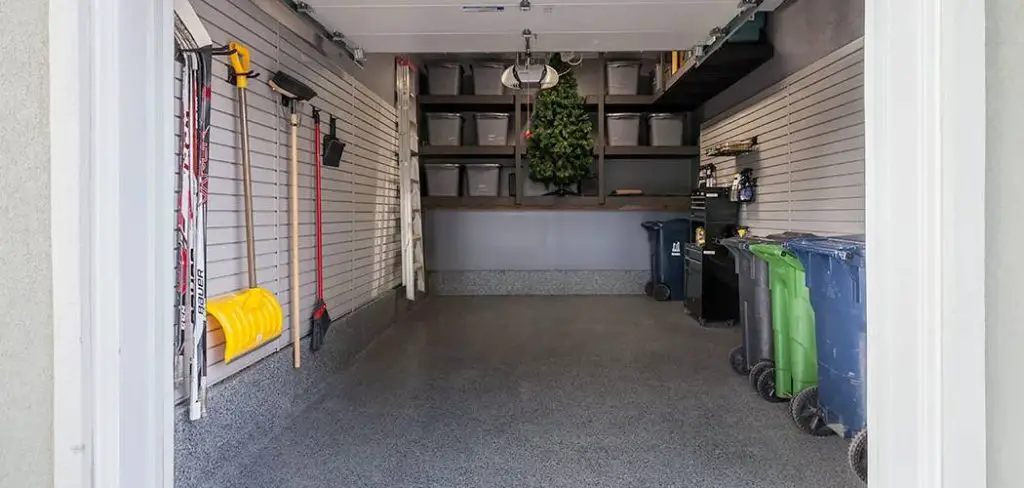
Before you even start the car, ensure the garage is ready. Remove any obstacles like bicycles, storage bins, or tools that could impede your path or get hit. A clear space is a safe space. Take this opportunity to install parking aids if you haven’t already.
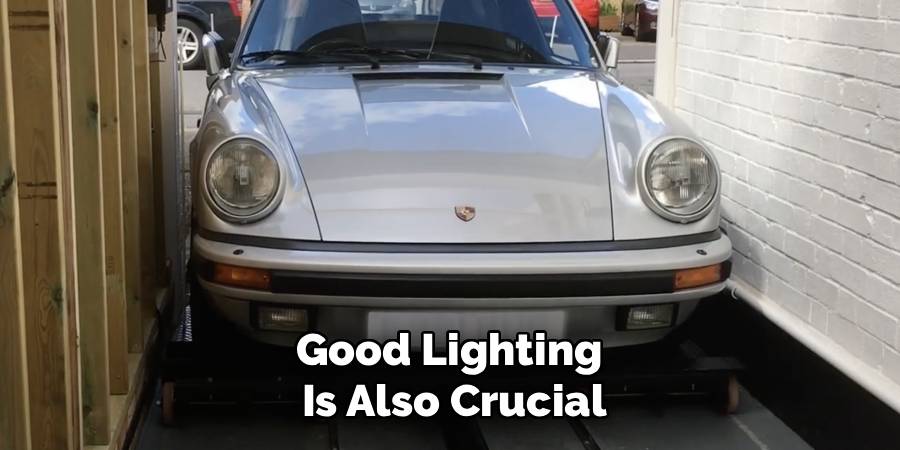
Simple tools like a hanging tennis ball, which you aim to touch with your windshield, or parking blocks on the floor can provide invaluable physical cues. Good lighting is also crucial; consider adding brighter LED fixtures so you can clearly see the walls, corners, and any other potential hazards as you maneuver.
Step 2: Approach the Garage Slowly and Directly
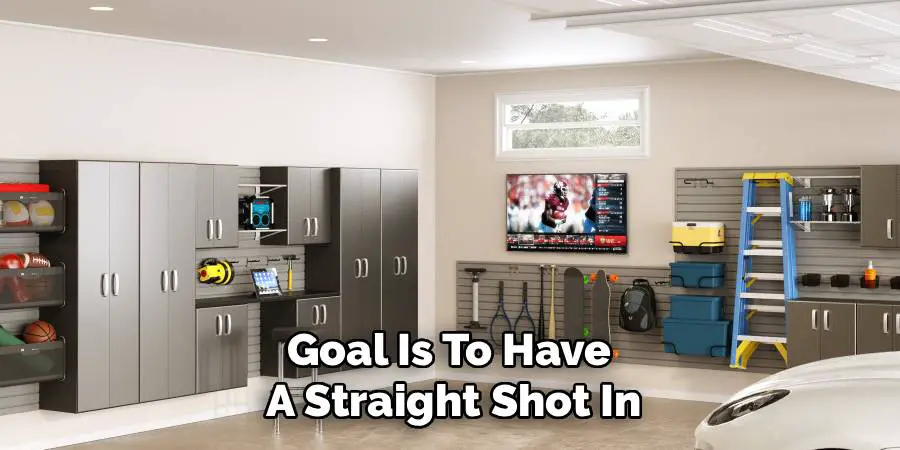
Your approach sets the stage for the entire maneuver. Instead of turning into the garage from an angle, align your vehicle so it is as straight and centered as possible before you enter. Pull up slowly, giving yourself plenty of room to make final adjustments. The goal is to have a straight shot in, which minimizes the need for corrective steering once you are inside the narrow space. A slow, controlled approach gives you more time to react and observe your surroundings, which is fundamental when dealing with inches of clearance on either side of your vehicle.
Step 3: Use Your Side Mirrors as Your Primary Guide
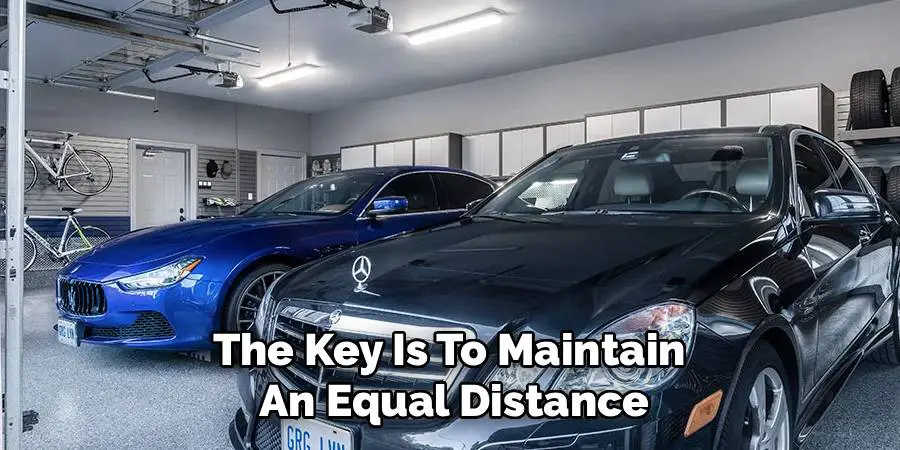
Your side mirrors are your best friends when parking in a tight spot. As you begin to enter the garage, your focus should shift to monitoring the space between your mirrors and the door frame. Adjust them so you can see the sides of your car in relation to the garage walls. Proceed at a crawl, making tiny steering corrections as needed. The key is to maintain an equal distance on both sides. If you see one side getting too close, make a small, gentle adjustment away from it. This constant monitoring prevents scrapes and ensures you remain centered.
Step 4: Using Reference Points
Establish visual cues both inside and outside your car to create a repeatable parking path. For instance, you might align a specific point on your car’s hood with a mark on the garage wall or a feature in front of you. As you pull in, you could use your side mirror as a reference, noting when it passes a particular point on the door frame. These reference markers help you know exactly where your car is in the space without guesswork. Consistency is key; use the same points every time to build muscle memory and turn the process into an automatic, stress-free habit.
Step 5: Know Your Vehicle’s Dimensions
Understanding the true size of your car is essential. Many drivers are not fully aware of how wide or long their vehicle is, especially with the mirrors extended. Take a few minutes with a tape measure to get the exact width of your car (including mirrors) and the width of your garage opening. Knowing you have, for example, only four inches of clearance on each side changes how you approach the situation.
This knowledge removes uncertainty and allows you to move with calculated confidence rather than nervous guesswork. It turns an unknown challenge into a simple matter of fitting a known object into a known space.
Step 6: Proceed at a Crawl and Be Patient
Speed is your enemy when navigating a tight space. The entire maneuver should be done at a slow crawl, with your foot ready to apply the brake at any moment. Rushing leads to overcorrection and misjudgment. If you feel your anxiety rising or you’re unsure of your position, simply stop. Put the car in park, get out, and walk around it to visually inspect your clearances. There is no shame in taking a moment to reassess. A few extra seconds of patience can be the difference between a perfect park and a trip to the auto body shop.
Step 7: Garage Spot by Reversing In
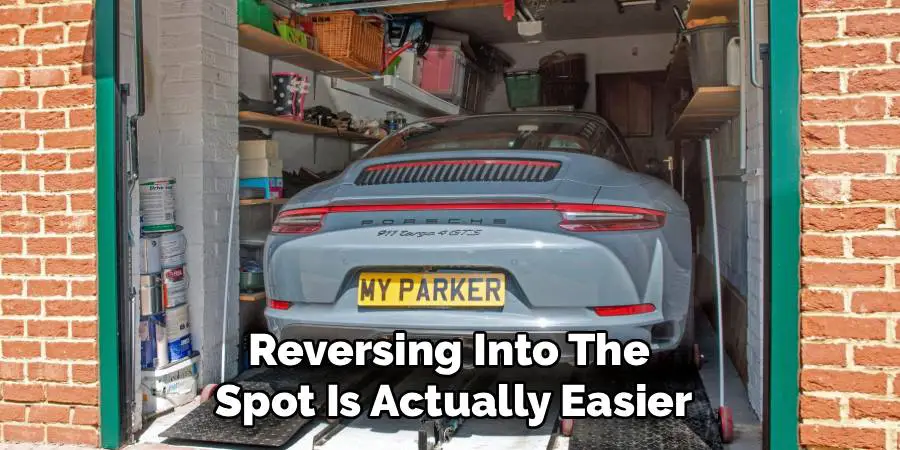
For many drivers and garage configurations, reversing into the spot is actually easier and safer. Backing in allows you to use your mirrors and backup camera for precise guidance, and you have greater control over the vehicle’s path with steering from the rear wheels.
It also positions your car for a much safer and easier exit, as you can drive forward out of the garage with full visibility. While it may feel counterintuitive at first, practicing this technique can make parking in a tight garage significantly less stressful and more controlled in the long run.
Step 8: Use Technology to Your Advantage
Modern vehicles are often equipped with an array of helpful technologies. Make full use of your backup camera, 360-degree overhead view cameras, and parking sensors. The audible beeps from sensors provide crucial alerts as you approach an obstacle, while camera views give you a clear visual of your surroundings. Learn to trust these aids, but don’t become completely dependent on them. Use them to supplement your own visual checks and mirror monitoring. Combining your senses with the car’s technology provides the most comprehensive and safest approach to conquering a tight spot.
Step 9: Consider Aftermarket Parking Aids
If your car lacks built-in technology, or you want extra assurance, there are many affordable aftermarket solutions. Laser parking guides can be mounted on the ceiling and project a beam onto your car’s dashboard, showing you exactly when you’ve reached the perfect spot.
Adhesive-backed parking blocks or mats placed on the floor will physically stop your tire when you are in the correct position. Even a simple tennis ball hanging from a string can serve as an effective, low-cost marker to tell you when to stop pulling forward.
Frequently Asked Question
What Is the Easiest Way to Park in a Narrow Garage?
The easiest method for most people is to use reference points and approach very slowly. One popular trick is the hanging tennis ball: suspend a tennis ball from the ceiling so that it just touches your windshield when your car is in the perfect spot. This provides a clear, physical cue to stop. Combining this with careful use of your side mirrors to stay centered as you enter makes the process much simpler and more repeatable.
Is It Better to Pull Forward or Reverse Into a Tight Garage?
Reversing into a tight garage is often better. When you back in, the car’s steering wheels are at the front, allowing the vehicle to pivot more sharply and precisely into the space. You also have the advantage of using your backup camera and side mirrors for guidance. Most importantly, backing in means you can drive forward to exit, which is much safer as your view of traffic or pedestrians is not obstructed.
How Do I Avoid Hitting the Wall When Parking?
Using a physical stop indicator is the most foolproof way to avoid hitting the wall. You can purchase a commercial parking block and place it on the floor where your front tire should stop. Alternatively, a simple piece of wood or even a parking mat works just as well. When your tire touches the block, you know you are in the right position without having to guess how much room you have left.
How Can I Protect My Car Doors in a Tight Garage?
To protect your doors from being dinged on the garage walls, you can install foam bumpers or pool noodles on the walls at the height where your door makes contact. Cut a pool noodle lengthwise and mount it to the wall. This creates a soft cushion that will absorb the impact if you accidentally open your door too wide, preventing scratches and dents on both your car and the wall.
Should I Fold My Mirrors When Parking in a Tight Garage?
Only fold your mirrors if it is absolutely necessary to fit through the garage opening. Your side mirrors are your most important tool for judging the distance between your car and the walls. If you fold them too early, you lose your primary visual guide. If you must fold them, do so only at the narrowest point of entry and unfold them immediately after you pass it so you can use them to center the car in the spot.
Conclusion
Parking in a tight garage may seem intimidating, but it is a skill that anyone can master with the right approach and a little practice. The key is to transform the process from a guessing game into a precise, repeatable maneuver. By preparing your space, using your mirrors and reference points, and moving with deliberate patience, you eliminate the risks and anxiety associated with close quarters. Whether you choose to reverse in, use a hanging tennis ball, or rely on your car’s sensors, the goal is to create a system that works for you. Take the time to learn how to park in a tight garage spot, and you’ll be rewarded with less stress, zero damage, and the quiet satisfaction of a perfect park, every single time.

I am Rick. I grew up helping my dad with his handyman service. I learned a lot from him about how to fix things, and also about how to work hard and take care of business. These days, I’m still into fixing things- only now, I’m doing it for a living.
I’m always looking for new ways to help people grow and develop. That’s why I have created this blog to share all my experience and knowledge so
that I can help people who are interested in DIY repair.