
That gut-wrenching crunch of a bumper meeting drywall is a sound no homeowner wants to hear. Whether you’re driving a new car or navigating a tight, cluttered space, the risk of misjudging the distance and hitting the front or side wall of your garage is all too real. It’s a common, frustrating problem that can cause costly damage to both your vehicle and your home.
Learning how to prevent hitting garage wall spaces is not about becoming a perfect driver overnight; it’s about implementing simple, effective, and often low-cost systems that guide you to the perfect parking spot every time. This guide will explore practical solutions, from classic DIY tricks to modern tech aids, ensuring you can park with confidence and keep your property damage-free.
Why Preventing Garage Wall Impacts Matters
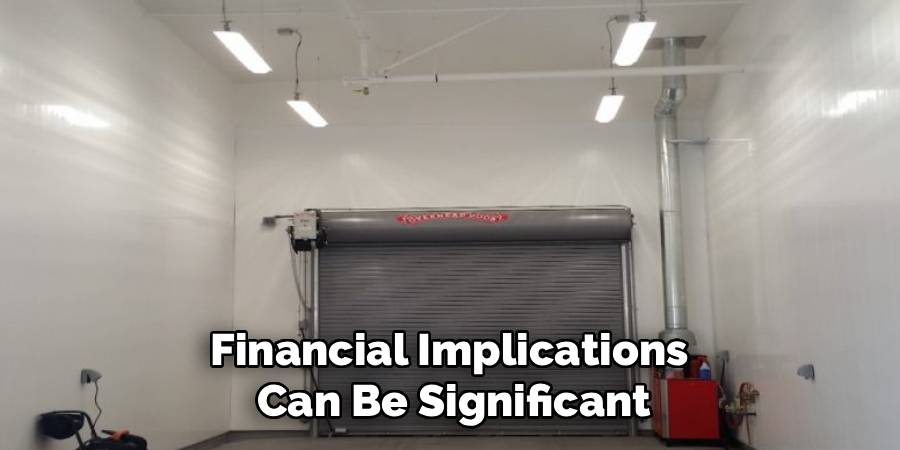
Avoiding a collision with your garage wall goes far beyond preventing a few scuffs and scratches. The financial implications can be significant. Even a low-speed impact can lead to hundreds or even thousands of dollars in vehicle repairs, from repainting a bumper to replacing sensors and headlights. The damage to your home can be just as severe, requiring drywall repair, stud replacement, and repainting. Beyond the cost, these impacts create a persistent hassle. Filing insurance claims, scheduling repairs, and living with a damaged car or home is a major inconvenience. More importantly, creating a reliable parking system improves safety, preventing accidents that could involve not just property but also items stored nearby.
Step-by-step Guide on How to Prevent Hitting Garage Wall
Creating a foolproof parking system is easier than you think. This guide provides a range of solutions that fit any budget and skill level, helping you park perfectly every time.
Step 1: Clean and Organize Your Garage Space
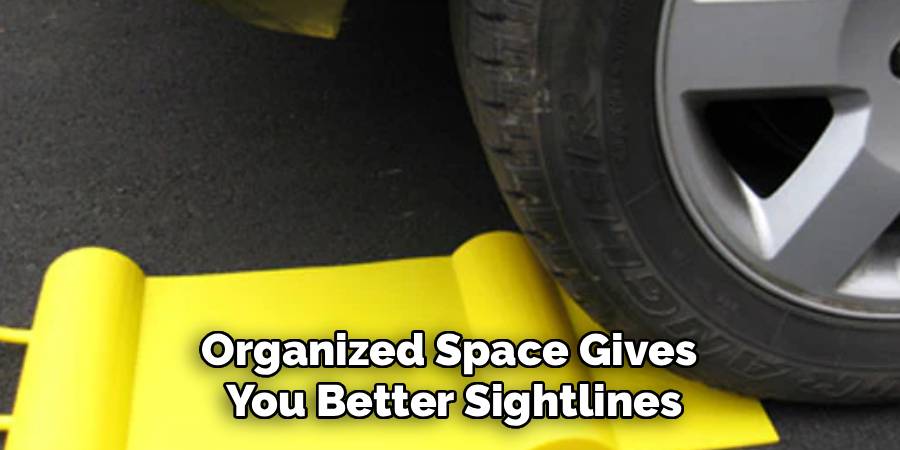
The first step in preventing collisions is to create a clear and predictable environment. Garages often become storage depots for everything from holiday decorations to lawn equipment, creating an obstacle course that shrinks your available parking space. Begin by decluttering the area around where your car will be parked. Move boxes, tools, and bicycles against the side walls or onto shelves. A clean, organized space gives you better sightlines and more room for error, making it fundamentally easier to maneuver your vehicle without fear of bumping into an unseen object or the wall itself.
Step 2: Use a Simple Tennis Ball Guide
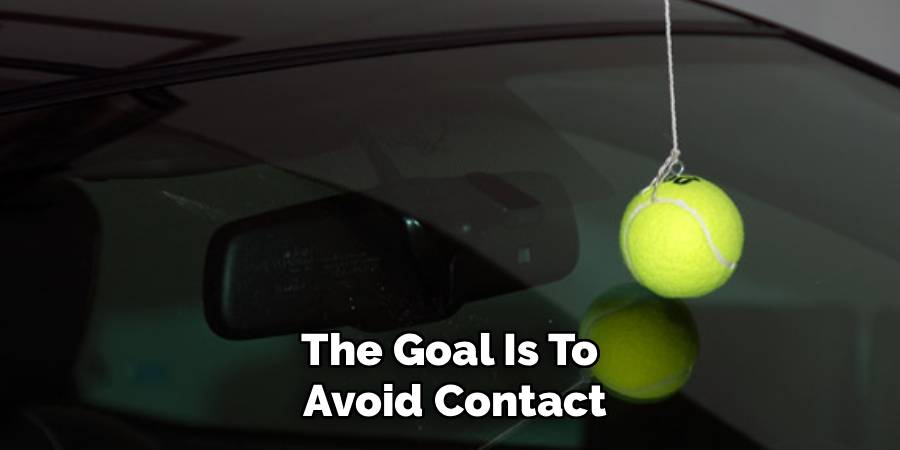
One of the oldest and most effective methods is the humble tennis ball. This technique provides a clear visual cue to stop. To set it up, park your car in the exact desired position. Then, take a tennis ball and hang it from the ceiling using a string so that it just touches your windshield. Now, whenever you pull into the garage, you can simply drive forward slowly until the ball makes contact with your windshield. This physical and visual confirmation tells you that you’ve reached the perfect spot, well clear of the front wall.
Step 3: Install Parking Blocks or Chocks on the Floor
For a more physical stop, consider installing parking blocks on the garage floor. These are essentially small, durable curbs, similar to what you see in commercial parking lots, made of rubber or plastic. To place them correctly, park your car in the ideal spot. Then, place the parking blocks on the floor directly in front of the front tires. Secure them to the concrete using the appropriate adhesive or hardware. When you pull into the garage, you will feel your tires gently bump against the blocks, physically stopping your car from moving any further forward.
Step 4: Wall With Wall Bumpers
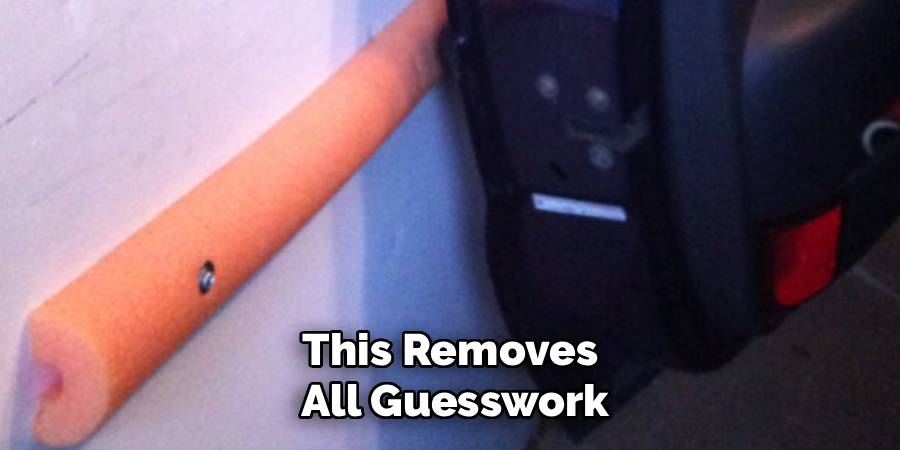
While the goal is to avoid contact, sometimes a little protection is the best policy. Installing foam or rubber bumpers on the garage wall is a great way to prevent damage from accidental taps. These bumpers are available as large pads or long strips with adhesive backing. Identify the spot on the wall where your car’s bumper or door is most likely to make contact. Clean the wall surface and firmly apply the protective padding. This solution is especially useful in tight garages where opening car doors without hitting the wall is also a challenge.
Step 5: Utilize Modern Laser Parking Assistants
If you prefer a high-tech solution, a laser parking assistant is an excellent choice. These small devices mount on the garage ceiling and project a laser beam onto your car. You calibrate the device by parking your vehicle in the correct spot and aiming the laser at a specific point on your dashboard or hood. When you pull into the garage, you simply watch for the laser dot to align with your chosen target. Once it hits the mark, you know you are in the perfect position. This removes all guesswork and provides a precise, modern way to park.
Step 6: Apply Reflective Tape for Visual Cues
Improving visibility within your garage can make a world of difference, especially in low-light conditions. Use brightly colored or reflective tape to create visual guides on the floor or walls. You can place a strip of tape on the floor to mark where your front tires should stop. Alternatively, place a bold, horizontal line on the front wall at eye level. When your dashboard or hood aligns with the line from your driver’s seat perspective, you know it’s time to stop. This simple visual reference helps you judge distances more accurately and consistently.
Step 7: Check Your Mirrors
This may sound basic, but properly using your vehicle’s mirrors is a foundational skill for safe parking. As you pull in, use your side mirrors to gauge the distance between your car and the side walls or any stored items. This helps you stay centered. As you approach the front wall, you can often see its reflection in your side mirrors, giving you another point of reference for how much space you have left. Combining mirror usage with another method, like a parking block or tennis ball, creates a multi-layered system that makes collisions highly unlikely.
Frequently Asked Question
What Is the Easiest DIY Parking Aid to Install?
The tennis ball on a string is by far the easiest and cheapest DIY parking aid. It requires no special tools—just a ball, a string, and a way to attach it to the ceiling. You simply park your car where you want it, hang the ball so it touches your windshield, and you’re done. It provides a perfect, tactile cue every time you park.
Are Laser Parking Guides Difficult to Calibrate?
No, most laser parking guides are designed for easy, user-friendly installation and calibration. Typically, you mount the device to the ceiling, park your car in the desired final position, and then use a remote or a button on the unit to aim the laser dot at a specific spot on your car’s hood or dashboard. It usually only takes a few minutes to set up.
How Do I Secure Parking Blocks to a Concrete Floor?
Parking blocks can be secured in a few ways. Many come with pre-drilled holes and are meant to be bolted into the concrete, which requires a drill and concrete anchors. For a less permanent solution, you can use a strong construction-grade adhesive designed for bonding to concrete. Simply apply the adhesive to the bottom of the block and press it firmly onto the clean floor.
Can I Use Pool Noodles as Wall Bumpers?
Yes, pool noodles are a popular and inexpensive DIY alternative to commercial wall bumpers. You can cut a pool noodle in half lengthwise and mount the flat side to the wall at the height where your car door or bumper would make contact. They can be attached with construction adhesive, screws, or even heavy-duty double-sided tape for an effective, low-cost protective barrier.
My Garage Is Very Tight on the Sides. What’s the Best Solution?
For tight side clearance, a combination of methods works best. Use your side mirrors vigilantly as you pull in to stay centered. Installing wall guards or pool noodles on the side walls will protect your doors when you open them. Some drivers also find it helpful to hang a tennis ball or another soft guide from the ceiling on the driver’s side to serve as a lateral guide.
Conclusion
Parking in your garage should be a routine, stress-free task, not a daily gamble. By implementing one or more of the simple solutions covered in this guide—from the classic tennis ball to modern laser guides—you can create a reliable system that eliminates the risk of collision. Taking a few moments to set up a parking aid will save you from the expense, time, and frustration of repairs down the road. Now that you know how to prevent hitting garage wall spaces, you can choose the method that best suits your needs and enjoy the peace of mind that comes with a perfect park, every time.

I am Rick. I grew up helping my dad with his handyman service. I learned a lot from him about how to fix things, and also about how to work hard and take care of business. These days, I’m still into fixing things- only now, I’m doing it for a living.
I’m always looking for new ways to help people grow and develop. That’s why I have created this blog to share all my experience and knowledge so
that I can help people who are interested in DIY repair.