
A wet garage floor is more than an inconvenience — it’s a slip hazard, a potential mold trigger, and sometimes a sign of a bigger problem. Whether the water came from a heavy rainstorm, a leaking appliance, or a vehicle dripping snow, you want it gone quickly and without putting yourself at risk.
Knowing how to vacuum water off garage floor safely means more than just grabbing whatever vacuum is nearby. Using the wrong equipment around standing water can create a shock hazard, and ignoring the source of the water can mean it comes right back. This guide walks you through every step of the process — from identifying where the water came from to drying out the space properly — so you handle the job confidently, correctly, and without cutting corners on safety.
Why Garage Floor Safely Matters
Standing water in a garage doesn’t stay harmless for long. Within 24 to 48 hours, moisture trapped in cracks, under mats, or near drywall promotes mold and mildew growth that spreads quickly in an enclosed space. Slip-and-fall injuries are also a real risk any time a smooth concrete floor stays wet.
Beyond the physical hazards, using the wrong equipment — like a standard household vacuum — near standing water creates a genuine electrocution risk. Garages often have outlets, power strips, tools, and appliances at floor level. Water and electricity in the same space require careful attention before you start removing anything. Cleaning up water the right way protects your health, your property, and your safety. A methodical approach takes only a little longer and makes a significant difference in the outcome.
Step-By-Step Guide To How To Vacuum Water Off Garage Floor Safely
Step 1: Identify The Source Of The Water Before Touching Anything
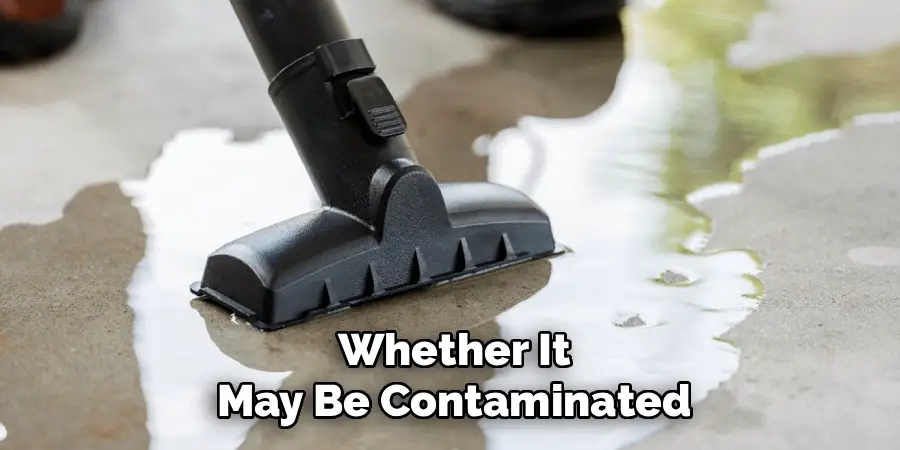
The first thing to do is figure out where the water came from. Rainwater that entered through a gap under the door is a different situation than water from a leaking water heater, a burst pipe, or a backed-up floor drain. Knowing the source tells you whether the water is likely to keep coming in while you work, and whether it may be contaminated.
If the water came from a sewage backup, a heavily contaminated drain, or a source you can’t identify, stop and call a professional. Contaminated water — sometimes called gray or black water — carries bacteria and pathogens that are not safe to handle without protective equipment and specialized cleanup methods. For clean water from rain or a clean supply line, you can proceed with the steps below.
Step 2: Check For Electrical Hazards And Address Them First
Before stepping into any standing water, scan the area for electrical risks. Look for power strips, extension cords, or outlets that are at or near floor level. Check whether any tools, appliances, or chargers have fallen into the water or are plugged in nearby. If you see any of these, go to your electrical panel and switch off the circuit breaker for the garage before proceeding.
Water conducts electricity, and even a small amount of current running through a wet floor can be dangerous. If you’re unsure which breaker controls your garage, turn off power to the whole space. This takes a few minutes but removes one of the most serious risks associated with water cleanup. Never assume an area is safe just because the water looks shallow — depth doesn’t determine electrical danger.
Step 3: Remove Large Debris
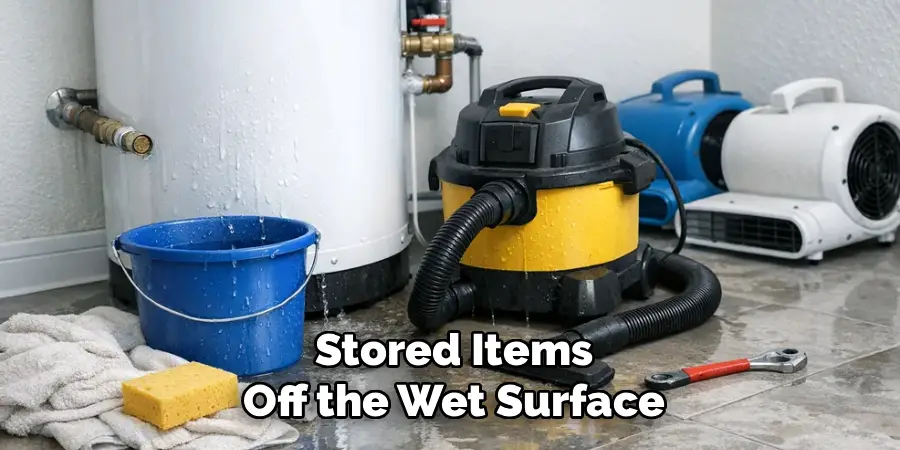
Once you’ve confirmed the area is electrically safe, clear the floor of any items sitting in the water. Move boxes, tools, mats, and stored items off the wet surface and onto dry ground. This gives you open access to the floor and prevents debris from clogging your vacuum during extraction.
Check whether any debris — leaves, gravel, or small objects — is floating in or sitting under the water. A wet/dry vacuum can handle small particles, but large chunks of material will block the intake quickly. Remove anything larger than pea gravel by hand before you start vacuuming. Wearing rubber-soled shoes throughout this process adds another layer of protection as you move around the wet surface.
Step 4: Choose The Right Equipment
Never use a standard household vacuum on standing water. Regular vacuums are not built to handle liquids and will short out immediately, creating a fire or shock hazard. You need a wet/dry vacuum — also called a shop vac — rated for liquid pickup. Check that the filter inside is set up for wet use, as some models require you to remove the dry filter before vacuuming liquids.
Inspect any extension cord you plan to use with the vacuum. It should be rated for outdoor or heavy-duty use, in good condition with no exposed wiring, and plugged into a GFCI-protected outlet — the kind with the test and reset buttons found near garage sinks or exterior walls. Never use a standard indoor extension cord for this job. Matching the right equipment to the task is what keeps this process safe from start to finish.
Step 5: Vacuum The Water In Controlled, Overlapping Passes
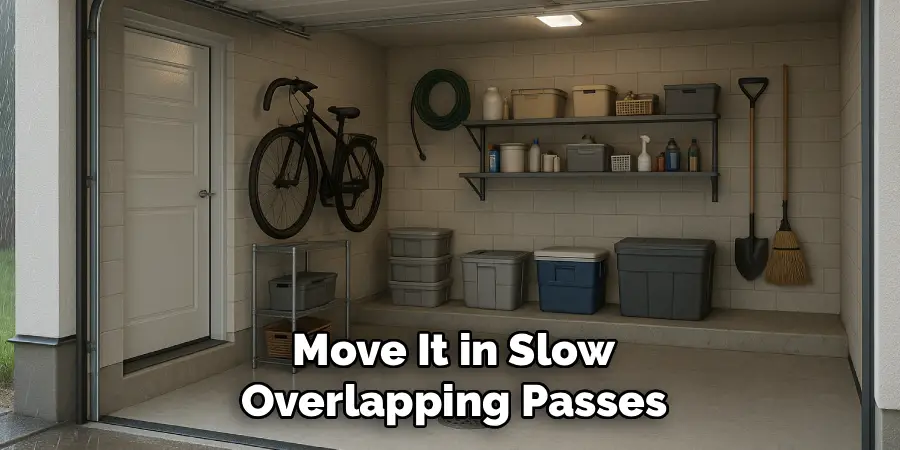
Start at the far end of the wet area and work toward the garage door or your primary exit point. This keeps you from walking back through already-cleaned sections and avoids pushing water further across the floor. Hold the vacuum nozzle flat against the floor and move it in slow, overlapping passes — rushing reduces how much water each pass picks up.
Pay extra attention to low spots, floor drain surrounds, and areas near walls where water tends to pool deeper. If the tank fills up during the job, turn off the vacuum, take it outside or to a drain, and empty it completely before continuing. Overfilling a wet/dry vacuum reduces suction and can cause water to back up into the motor — most tanks have a fill line marked inside.
Step 6: Dry The Surface Thoroughly After Vacuuming
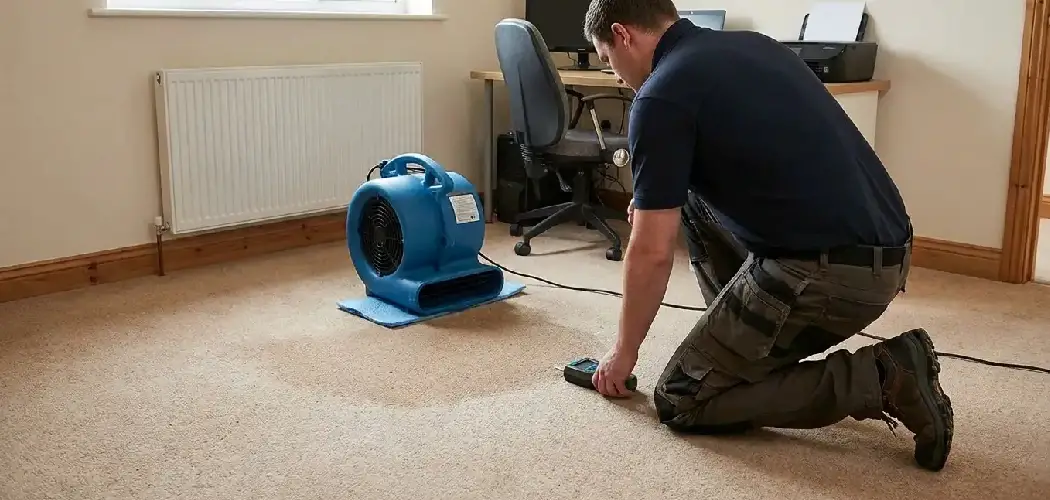
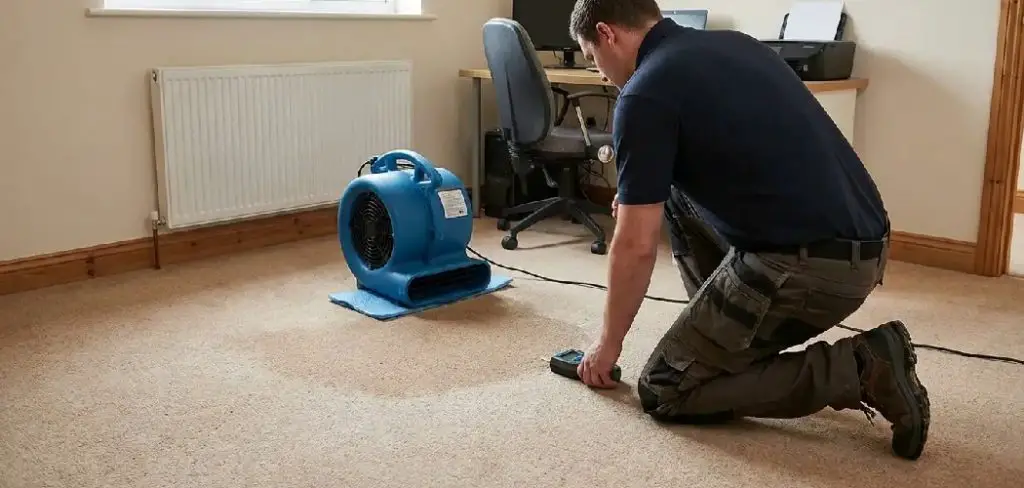
Vacuuming removes the standing water, but the concrete surface will still be damp and can stay that way for hours in a poorly ventilated garage. Open the garage door and any side doors or windows fully. Position a box fan or floor fan to push air across the wet surface and out of the space — moving air is far more effective than still air at drying concrete.
For faster drying, a dehumidifier placed in the garage pulls moisture from both the air and the surface simultaneously. If the water reached walls, baseboards, or any drywall, check those areas carefully for lingering moisture. Damp drywall in a closed space is one of the fastest paths to mold growth. A moisture meter, available at most hardware stores, gives you a reliable reading rather than a guess.
Frequently Asked Questions
Can I Use A Regular Household Vacuum To Pick Up Water?
No. Standard household vacuums are not designed for liquids and will short out immediately when exposed to standing water, creating a serious shock and fire risk. Always use a wet/dry vacuum — also called a shop vac — that is specifically rated and configured for liquid pickup before attempting any water removal from a floor.
What Should I Do If My Garage Floor Keeps Flooding After Cleanup?
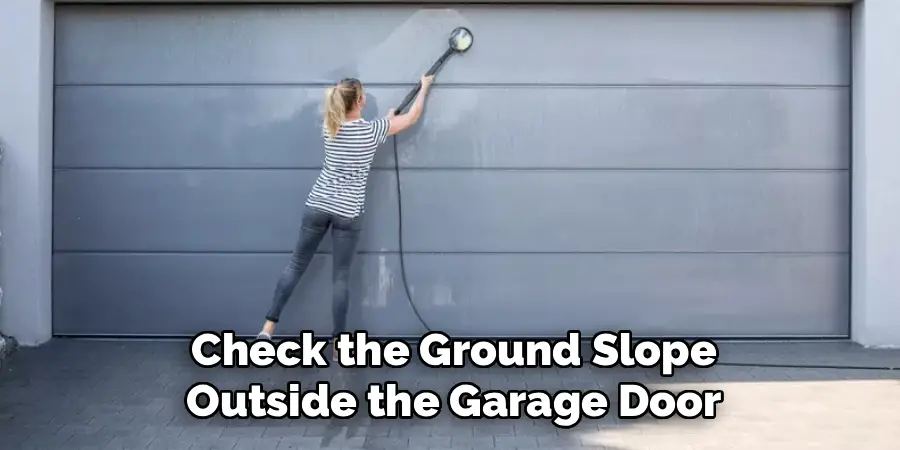
Recurring water in a garage usually points to a drainage problem, a foundation crack, or improper grading around the building. After cleaning up, inspect the floor drain for blockages and check the ground slope outside the garage door. Persistent flooding that returns after cleanup needs a permanent drainage solution, not repeated manual removal.
Is It Safe To Run A Wet/Dry Vacuum In A Garage With No Windows?
Ventilation matters for drying, but running a wet/dry vacuum in an enclosed garage is generally safe as long as there are no electrical hazards present. However, after vacuuming, open doors and windows or use a fan to move air through the space. Leaving a damp garage sealed slows drying and encourages mold growth within 24 to 48 hours.
How Long Does A Concrete Garage Floor Take To Dry After Water Removal?
Drying time depends on how much water was present, temperature, humidity, and airflow. With a fan running and the garage door open, a lightly wet concrete floor can dry in 4 to 8 hours. Heavily saturated areas or floors with cracks that trapped water may take 24 hours or longer to dry completely even with good airflow.
What PPE Should I Wear When Cleaning Up Garage Water?
For clean water cleanup, rubber-soled shoes are the most important protection, reducing slip risk and insulating you from any residual electrical current. Waterproof gloves are useful if you’re handling debris from the water. If you suspect the water may be contaminated from a drain backup or chemical source, add rubber boots and disposable gloves before entering the area.
Conclusion
Water on a garage floor demands a calm, systematic response — not a rushed one. The steps that matter most happen before the vacuum even turns on: identifying the source, removing electrical risks, and choosing the right equipment for liquid extraction.
Following a careful, step-by-step approach to how to vacuum water off garage floor safely protects you from the real hazards that make this task more serious than it looks. Clear the debris, work in controlled passes, empty the tank as needed, and dry the space properly when you’re done. And if the water is contaminated, persistent, or larger than a shop vac can manage, call in a professional without hesitation. Handling this job right the first time is always easier than dealing with the mold, damage, or injuries that come from handling it wrong.

I am Rick. I grew up helping my dad with his handyman service. I learned a lot from him about how to fix things, and also about how to work hard and take care of business. These days, I’m still into fixing things- only now, I’m doing it for a living.
I’m always looking for new ways to help people grow and develop. That’s why I have created this blog to share all my experience and knowledge so
that I can help people who are interested in DIY repair.