
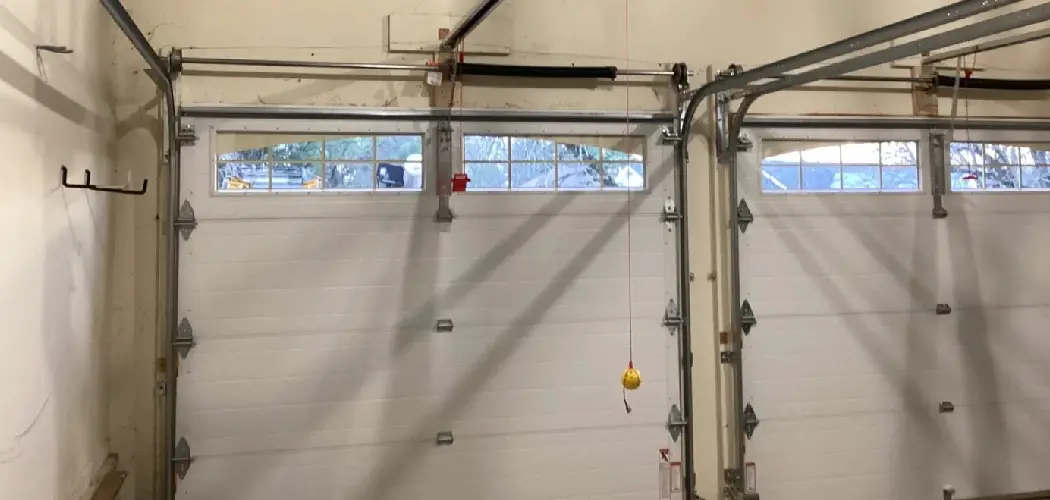
Most homeowners don’t realize their garage door has a built-in vulnerability that a burglar can exploit in seconds. The red emergency release cord — designed to let you open your door manually during a power outage — can be triggered from outside through a small gap at the top of the door using a coat hanger or wire. This technique, known as “red cord slipping,” has been used in residential break-ins across the country.
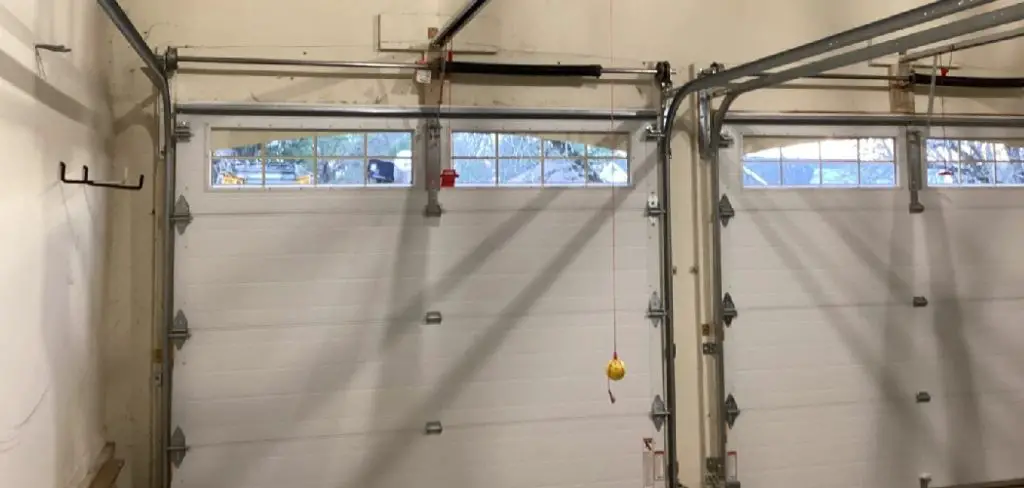
Knowing how to secure a garage door from being red cord slipped gives you a meaningful layer of protection without compromising the safety function the release cord is designed to provide. This guide walks you through the most practical, responsible methods to reduce that vulnerability — covering everything from physical deterrents and improved lighting to mechanical fixes — so you can protect your home without creating a new hazard in the process.
Why Secure Red Cord Slipped Matters
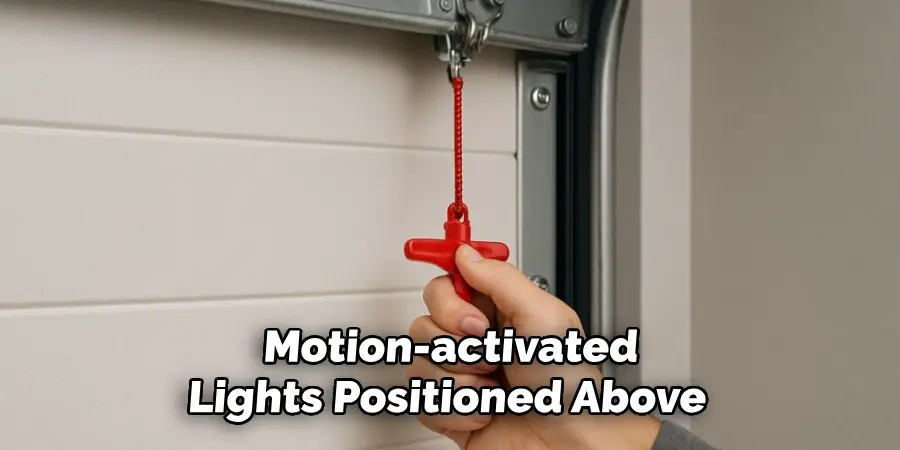
The emergency release cord is a required safety feature — it must remain functional so you can exit the garage manually if the opener fails or the power goes out. But that same accessibility makes it a target. A gap as small as a few inches at the top of a standard sectional door is enough for someone to slide a tool through, hook the cord, and disengage the opener in under 60 seconds.
Garages are frequently the least secured entry point in a home. Many connect directly to the main living space, meaning a garage breach is essentially a home breach. Addressing this specific vulnerability closes a gap that most security systems and smart locks don’t cover at all. The good news is that effective solutions are low-cost, non-destructive, and don’t require disabling any safety component to work.
Step-By-Step Guide To How To Secure A Garage Door From Being Red Cord Slipped
Step 1: Understand The Vulnerability Works On Your Door Type
Before making any changes, take a moment to understand the actual mechanics of the risk. On sectional garage doors — the most common residential type — the top panel flexes slightly when the door is closed, creating a small gap between the door and the frame. This gap is what allows a wire or hook to reach inside and catch the emergency release cord.
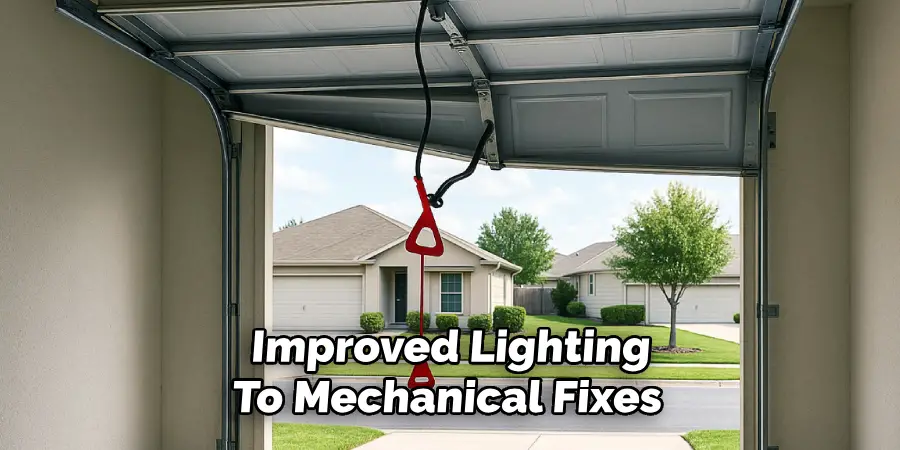
The vulnerability is less common on one-piece tilt-up doors, which close flush against the frame with fewer gaps. Confirm which door type you have and check how large the top-panel gap is when the door is fully closed. This assessment tells you how urgent the fix is and which specific solutions apply to your setup before you spend any time or money.
Step 2: Improve Exterior Lighting And Visibility Around The Garage
A large portion of garage break-ins happen at night or in low-visibility conditions. Motion-activated lights positioned above and to the sides of the garage door make any attempt to manipulate the release cord visible to neighbors, passersby, and security cameras. Good lighting doesn’t eliminate the mechanical vulnerability, but it dramatically increases the risk for anyone attempting to exploit it.
Install bright LED motion lights with a detection range that covers the full driveway approach. Trim back any shrubs or plants near the garage opening that could provide concealment. If you have a security camera, position it to capture the area directly in front of the garage door at ground level. Visibility is one of the cheapest and most effective deterrents available to any homeowner.
Step 3: Red Cord Slipped With A Release Shield
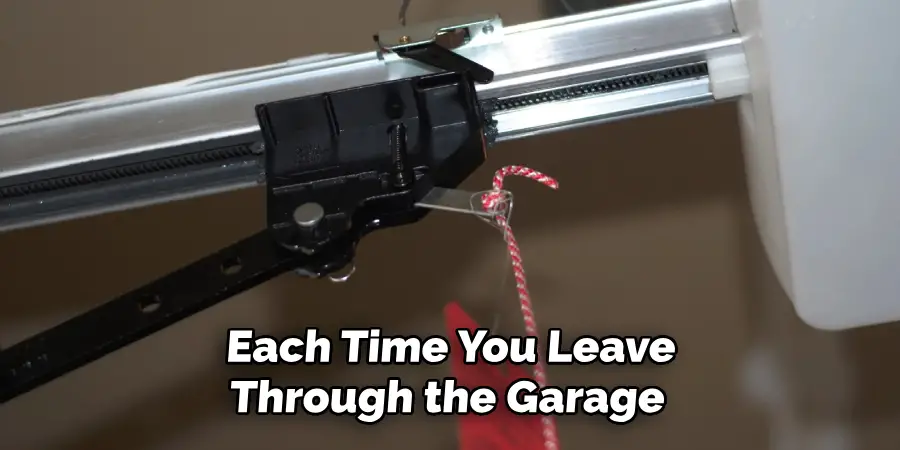
One of the most direct solutions is to install a garage door defender or emergency release cord shield. These inexpensive plastic or metal covers attach to the release trolley or the cord itself and block a hook or wire from grabbing the release. They do not prevent the cord from being pulled by a person inside the garage — the emergency function remains intact — but they make it significantly harder to snag the cord from outside through the top gap.
You can also tie a zip tie loosely through the release cord lever to make it harder to hook without disabling the release entirely — some homeowners use this as a temporary measure, though a dedicated shield is the more reliable long-term solution. Always test the emergency release function after adding any attachment to confirm it still operates correctly.
Step 4: Remove Garage Windows To Reduce Exterior Visibility
Windows on or near the garage door let anyone outside look in and locate the emergency release cord before attempting entry. Frosting or tinting garage windows eliminates that sightline without requiring their removal. Adhesive window film is inexpensive, easy to apply, and maintains natural light while preventing a clear view into the garage interior.
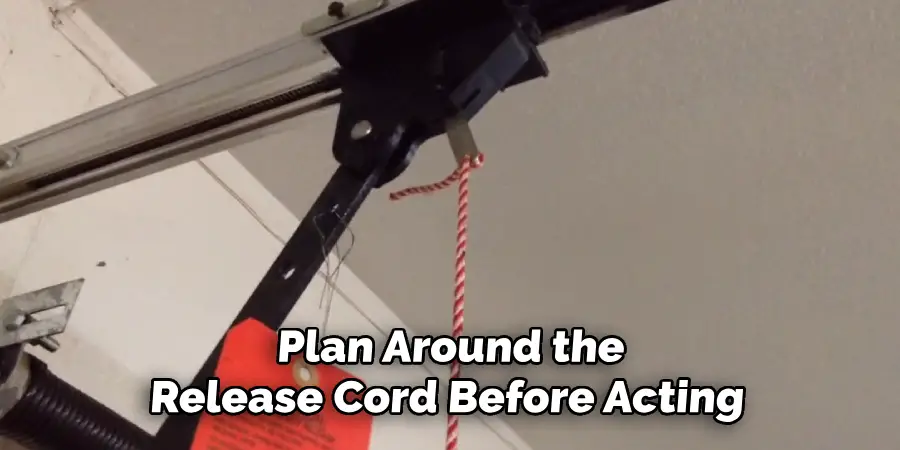
If your garage has side windows or windows in an adjacent wall, apply the same treatment. The goal is to make it impossible for someone standing outside to locate and plan around the release cord before acting. This step also adds general privacy for anything stored in your garage, which reduces opportunistic theft targeting as well.
Step 5: Install A Garage Side Lock Or Manual Slide Bolt
A side lock — also called a slide lock or garage door defender bar — mounts to the inside track of the door and physically prevents the door from being lifted even if the emergency release is triggered. When the slide bolt is engaged, the door cannot open from outside regardless of whether the opener is disengaged. This is one of the most effective mechanical solutions available.
These locks are inexpensive, widely available at hardware stores, and install without special tools in most cases. The trade-off is that you must manually disengage the lock from inside each time you leave through the garage, which makes them most practical for the door you don’t use as a daily exit. Never engage this lock if it would prevent emergency egress for anyone in the household.
Step 6: Strengthen Your Garage Door’s Overall Perimeter Security
Addressing the red cord vulnerability is most effective when it’s part of a broader approach to garage security. Check that the door leading from your garage into your home has a solid-core door, a quality deadbolt, and a door frame reinforced with a strike plate secured by 3-inch screws. If the garage is breached, this interior door becomes the last line of defense.
Also consider a garage door alarm or smart opener with real-time alerts that notify you when the door opens unexpectedly. Many modern smart openers allow you to monitor door status from your phone and close the door remotely if it was left open. Layering these measures means a single point of failure doesn’t leave your home fully exposed.
Frequently Asked Questions
Can I Simply Cut Or Remove The Red Emergency Release Cord For Security?
No, you should never remove or permanently disable the emergency release cord. It is a required safety feature that allows you to exit the garage manually during a power outage or mechanical failure. Removing it creates a serious safety hazard and may violate local building codes. Use a cord shield or slide lock instead to address the security concern responsibly.
How Do Burglars Actually Exploit The Red Cord Vulnerability?
Burglars typically use a thin, rigid tool — such as a straightened coat hanger — inserted through the top gap of a closed sectional garage door. The hook catches the emergency release cord or lever and pulls it toward the door, disengaging the opener trolley. The entire process takes seconds and leaves no visible damage, which is why it often goes undetected until after the break-in.
Will A Smart Garage Opener Help Prevent This Type Of Break-In?
A smart opener alone will not prevent the cord from being triggered, but it adds valuable detection capability. Real-time alerts notify you when the door opens unexpectedly, and remote close features let you respond immediately. Pairing a smart opener with a physical deterrent like a cord shield or slide bolt provides both prevention and rapid notification in one combined approach.
Does A Garage Door Defender Bar Block All Entry After Release Is Triggered?
Yes, a properly installed defender bar or slide bolt prevents the door from lifting even when the emergency release has been disengaged. The bar locks into the door track physically, making manual lifting impossible from outside. It is highly effective when used consistently, though it requires you to disengage it manually from inside before using the door as a regular exit point.
How Do I Know If My Garage Door Has A Large Enough Gap To Be Vulnerable?
Close your garage door fully and look at the gap between the top panel and the door frame. If you can slide a credit card or thin ruler into the gap with little resistance, the opening may be large enough for a thin tool to reach the release cord. Newer doors or doors with proper weatherstripping tend to close tighter and present a smaller target.
Conclusion
Garage security often gets overlooked until there’s a problem — and the red cord vulnerability is one of the most common oversights in residential home protection. The fixes covered in this guide are practical, affordable, and require no special skills to implement. Start with the easiest wins: improve your lighting, frost your windows, and add a cord shield or zip tie to make the release harder to snag from outside.
From there, a slide lock on the interior track adds a mechanical layer that no amount of cord manipulation can defeat. Taking the time to understand and address how to secure a garage door from being red cord slipped doesn’t mean disabling anything or compromising safety — it means closing a gap that most people don’t know exists until someone exploits it. Act now, test everything after you make changes, and make sure everyone in your household knows where the emergency release is and how to use it.

I am Rick. I grew up helping my dad with his handyman service. I learned a lot from him about how to fix things, and also about how to work hard and take care of business. These days, I’m still into fixing things- only now, I’m doing it for a living.
I’m always looking for new ways to help people grow and develop. That’s why I have created this blog to share all my experience and knowledge so
that I can help people who are interested in DIY repair.