

A power outage can hit at the worst moment, leaving your garage wide open and your belongings exposed. If your opener runs on electricity, you might feel stuck the second the lights go out. The good news is that learning how to lock garage door without power is simpler than most people expect, and you already have the tools you need built right into your door.
Your garage is often the largest entry point into your home, so keeping it secure during an outage protects your car, your storage items, and your peace of mind. Many homeowners never test their manual locking options until an emergency forces them to, and that stress is completely avoidable.
This guide walks you through the process step by step, using clear language anyone can follow. Whether you are new to garage maintenance or just want a reliable backup plan, you will finish this article feeling confident and prepared. No special skills or expensive gadgets required, just a few minutes and a little know-how to keep your space safe.
Why Manual Garage Security Matters During Outages
When the power drops, your automatic opener stops responding, and the door can be left unsecured. That gap creates an easy opportunity for intruders and exposes your home to weather, pests, and theft. Knowing how to secure your door manually gives you control when technology fails.
There are real benefits to mastering this skill. You protect valuable items like tools, bikes, and vehicles that often sit unguarded in the garage. You also prevent someone from lifting the door open from the outside, which is surprisingly easy on an unlocked unit. Beyond security, having a backup method reduces panic during storms or blackouts. You stay calm because you already know what to do, and that confidence turns a stressful situation into a minor inconvenience you can handle in minutes.
Step-by-Step Guide To Locking Your Garage Door Manually
Step 1: Locate Your Emergency Release Cord

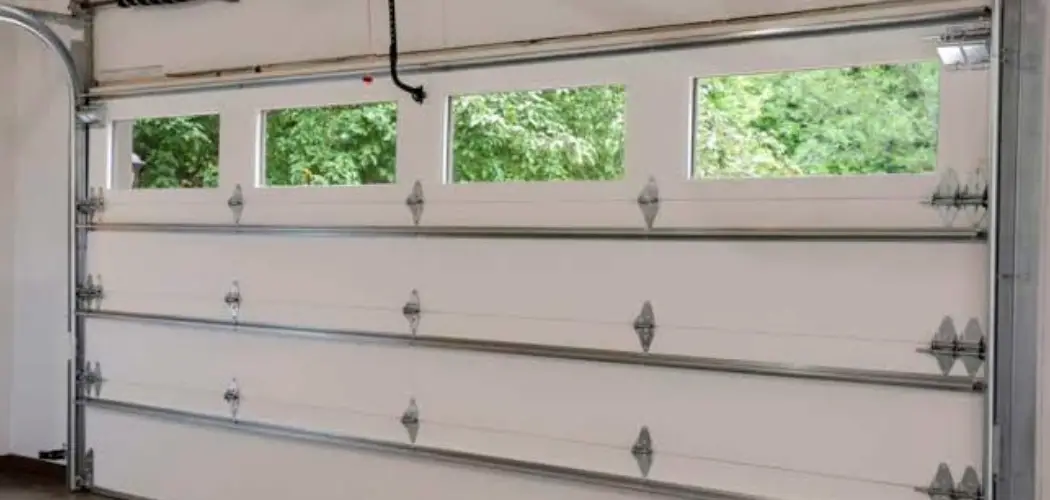
Start by finding the red emergency release cord hanging from the opener rail along your ceiling. This cord disconnects the door from the motorized carriage, giving you full manual control. It usually dangles near the center of the track with a bright red handle for easy visibility.
Pulling this cord is the very first move you need to make. If you skip it, the door stays locked to the opener mechanism, and you will not be able to slide it into a secure position by hand. Take a moment to confirm the cord moves freely and is not tangled, so you are ready to act quickly when the power goes out.
Step 2: Disconnect The Door From The Opener
Once you spot the cord, pull it straight down and slightly back toward the door. You should hear a soft click as the trolley disengages from the carriage. This action is central to how to lock garage door without power, because it separates the door from the electric system entirely.
After disconnecting, gently test the door by lifting it a few inches. It should glide smoothly on its tracks without resistance from the motor. If it feels heavy or sticks, avoid forcing it, since the springs handle most of the weight. A smooth glide confirms you are ready to move on to positioning the door for a proper manual lock.
Step 3: Lower The Door Completely
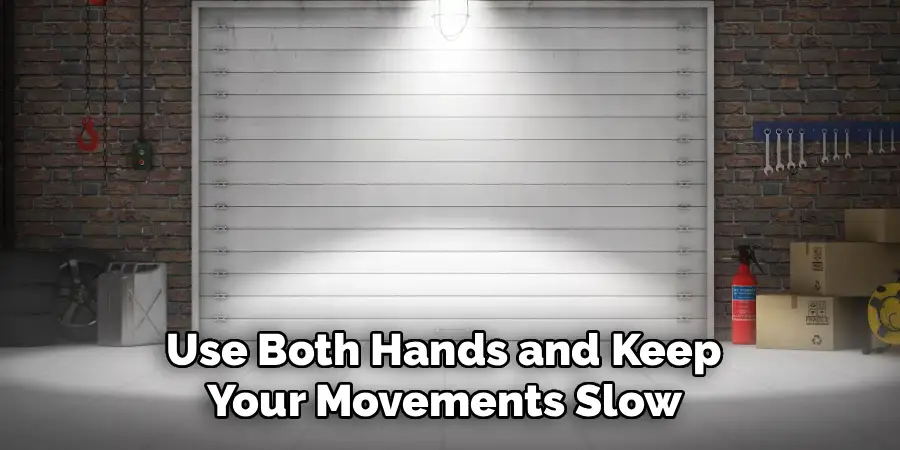
With the door now in manual mode, carefully guide it all the way down until it meets the floor. Use both hands and keep your movements slow and controlled to avoid pinching your fingers or straining the tracks. A door that rests flush with the ground creates the seal you need for security.
Make sure no gaps remain at the bottom edge, since even a small opening invites water, debris, or curious animals. Check that both sides of the door sit evenly on the ground. If one side hangs higher, adjust it gently by hand. A level, fully closed door is the foundation for every locking method that follows in this guide.
Step 4: Engage The Built-In Slide Lock
Most garage doors include a manual slide lock, also called a T-handle or side latch, built into the track on one or both sides. Look for a metal bar that slides horizontally into a slot on the vertical rail. Push this bar firmly into the slot until it seats securely.
This simple mechanism is one of the easiest ways to master how to lock garage door without power, and it works instantly without any electricity. Once the bar sits inside the track slot, the door physically cannot be raised from the outside. If your door has locks on both sides, engage both for maximum protection and an evenly balanced hold across the entire panel.
Step 5: Add A C-Clamp For Extra Security
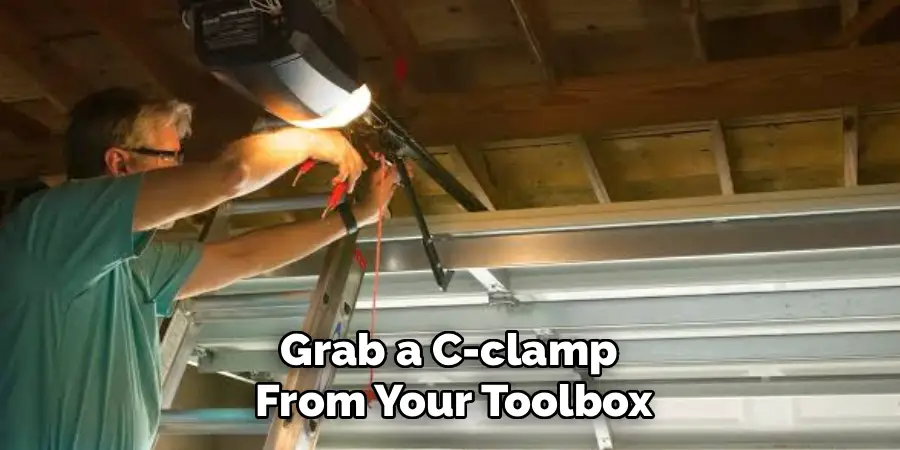
For an added layer of safety, grab a C-clamp from your toolbox and attach it to the roller track just above one of the wheels. Tighten the clamp firmly so the door cannot roll upward past that point. This trick blocks the door even if someone tampers with the main latch.
Position the clamp snugly against the roller without over-tightening, which could dent the track. Many homeowners keep two clamps on hand and place one on each side for balanced resistance. This method costs almost nothing and takes seconds to set up, yet it dramatically increases the strength of your manual locking system during an extended outage.
Step 6: Secure With A Padlock On The Track
If your track has pre-drilled holes, thread a padlock through the hole directly above a roller. Just like the C-clamp, this stops the door from lifting even a few inches. A padlock offers a sturdy, visible deterrent that discourages anyone thinking about forcing their way in.
Choose a weather-resistant padlock so rust does not jam the mechanism over time. Keep the key somewhere accessible inside your home, not in the garage itself, so you are never locked out during the next outage. This step pairs well with the slide lock and clamp, giving you three independent points of security that all function without a drop of electricity.
Step 7: Test The Door And Reset When Power Returns

Before you walk away, tug the bottom of the door upward to confirm it holds firmly in place. It should not budge more than a fraction of an inch. Testing your work now saves you from unpleasant surprises and confirms every lock is doing its job correctly.
When power finally comes back, remove any clamps or padlocks first, then reconnect the door to the opener by pulling the release cord toward the door or running the opener until the trolley re-engages. Always clear manual locks before pressing the remote, since running the motor against an engaged latch can damage both the opener and the door.
Frequently Asked Questions
Can I Open My Garage Door During A Power Outage?
Yes, you can. Pull the red emergency release cord to disconnect the door from the opener, then lift the door by hand. Most doors glide easily thanks to their springs. Just remember to reconnect the trolley once power returns, and never force a heavy or sticking door, since that could signal a spring problem worth inspecting.
Is It Safe To Leave The Emergency Release Engaged?
Leaving the release engaged is safe for short periods, but you should reconnect it once power is restored. While disconnected, the door relies entirely on your manual locks for security. Reconnecting restores automatic operation and the opener’s built-in resistance to forced entry. For long outages, your slide lock and clamp keep everything secure in the meantime.
What Tools Do I Need To Secure My Garage Manually?
You need very little. A C-clamp, a weather-resistant padlock, and the built-in slide lock on your door cover most situations. Keep these items in an easy-to-reach spot inside your home rather than in the garage. Having them ready means you can secure everything in under two minutes, even in the dark during a sudden blackout.
Will Locking The Door Manually Damage My Opener?
No, manual locking will not damage your opener as long as you disconnect the door first using the release cord. Problems only arise if you run the motorized opener while a manual lock is still engaged. Always remove clamps and padlocks and clear the slide lock before pressing your remote once electricity comes back on.
How Do I Reconnect The Door After The Outage?
Reconnecting is simple. Pull the emergency release cord back toward the door until it clicks into place, or press the opener button to let the trolley re-engage automatically. Remove all manual locks first to avoid straining the system. Test the door with your remote afterward to confirm smooth, normal operation before relying on it again.
Conclusion
Keeping your home secure during a blackout does not require fancy equipment or a professional visit. By understanding how to lock garage door without power, you gain a reliable backup plan that protects your family, your car, and your belongings whenever the electricity fails. The process comes down to a few clear moves, disconnecting the opener, lowering the door fully, and engaging your slide lock, C-clamp, or padlock for solid, layered protection.
The best time to practice these steps is right now, before an outage ever happens. Walk out to your garage, find your emergency release cord, and test each locking method so the routine feels natural. A few minutes of preparation today means you will stay calm and in control the next time the lights go out. Take action, build your confidence, and enjoy the peace of mind that comes from knowing your garage is always secure.

I am Rick. I grew up helping my dad with his handyman service. I learned a lot from him about how to fix things, and also about how to work hard and take care of business. These days, I’m still into fixing things- only now, I’m doing it for a living.
I’m always looking for new ways to help people grow and develop. That’s why I have created this blog to share all my experience and knowledge so
that I can help people who are interested in DIY repair.