
Shop vacs earn their keep. Sawdust, spilled paint, a flooded corner after the water heater acted up—these machines handle it without much fuss. The trouble starts after the mess is gone. That’s when most people just wheel the thing into whatever gap is open and forget it exists until the next disaster.
This habit, however common, quietly wears the machine down. A shop vac shoved into a damp corner with a dirty filter and a kinked hose won’t perform the same after a year as one that gets a few minutes of care after each job. Proper storage protects the motor, keeps the hose supple, and stops your garage from turning into an obstacle course. What follows is a practical walkthrough—where to put the unit, what to buy, and which habits tend to wreck shop vacs faster than normal wear ever would. In this guide on how to store a shop vac in garage.
What Does A Shop Vac Actually Need When It’s Not In Use?
A shop vac isn’t something you can just lean in a corner like a broom. It’s got a motor, a hose, a filter, and often a handful of attachments, and all of those parts respond badly to moisture, dust, and temperature swings. Leave debris sitting in the tank, and you may end up with mold. Fold the hose the wrong way for months, and it can crack. Ignore the filter long enough and suction power drops off noticeably.
Garages complicate this further. They’re rarely climate-controlled, they collect dust constantly, and humidity levels can swing depending on the season. So storage isn’t just “find an empty spot on the floor.” It requires a bit more thought than that.
Where Should You Store A Shop Vac In A Garage?
Look for a spot that stays dry and avoids direct sunlight. Corners near garage doors or windows tend to see bigger temperature swings and more moisture exposure, both of which take a toll on plastic components over time. A wall-mounted shelf, or a small dedicated nook near the back wall, generally works better than whatever open floor space happens to be available.
Try not to leave the unit sitting directly on bare concrete for long stretches, particularly in humid regions. Concrete holds onto moisture, and that moisture can work its way into the tank or motor housing without you noticing until there’s a problem. Even a small amount of elevation—a shelf, a pallet, a low platform—cuts down on this risk considerably.
What’s The Best Way To Store A Shop Vac Long-Term?
Vertical storage, whether that’s a shelf or a wall mount, keeps the unit out of the path of vehicles and foot traffic while freeing up floor space. Some people prefer a rolling cart they can tuck under a workbench instead, which works fine as long as the cart itself stays stable.
Whichever setup you land on, secure the hose and cord rather than letting them dangle. A loose hose left hanging can develop kinks or small cracks over time, and a cord left dragging on the floor is just asking to be tripped over.
Materials Needed Before You Start
A little preparation makes the whole process faster and protects the machine over the long haul.
Shop Vac Cover: A fitted or universal cover blocks dust, insects, and moisture from reaching the motor housing and tank opening.
Wall Mount or Storage Shelf: Keeps the unit elevated off the garage floor, away from dampness and clutter.
Hose Hanger or Hook: Prevents the hose from kinking or gathering dust while it’s coiled.
Filter Storage Bag: A breathable container that shields the filter from dust and moisture when it’s removed for cleaning.
Labeling Tags: Handy for tracking cleaning dates and filter replacement schedules, especially in a shared garage where more than one person uses the vac.
7 Simple Steps on How to Store a Shop Vac in Garage
Step 1: Empty And Clean The Tank
Empty the tank fully, regardless of whether it held dry debris or liquid. Debris left sitting for even a few days can start to smell or grow mold. If the tank held liquid, rinse it with warm water and let it air dry completely before doing anything else. This step gets skipped constantly, and it’s probably the single biggest reason shop vacs end up smelling musty.
Step 2: Remove And Inspect The Filter
Pull the filter out and look it over for tears, clogs, or heavy dust buildup. A filter in bad shape lets debris reach the motor, which shortens the motor’s life considerably. Tap out loose dust, or wash it if the manufacturer allows that, and let it dry fully before it goes back in or into storage.
Step 3: Detach And Coil The Hose
Take the hose off the main unit so it doesn’t develop permanent kinks. Coil it loosely—sharp folds weaken the material faster than most people realize. A strap or a hook keeps the coil in shape, and this small habit alone can add real years to the hose’s usable life.
Step 4: Wipe Down The Exterior
Go over the exterior with a damp cloth, paying particular attention to the power switch, cord connection points, and wheels. Debris tends to collect in these spots and can eventually cause mechanical issues. Dry everything thoroughly afterward, since trapped moisture on metal parts can lead to rust.
Step 5: Organize The Power Cord

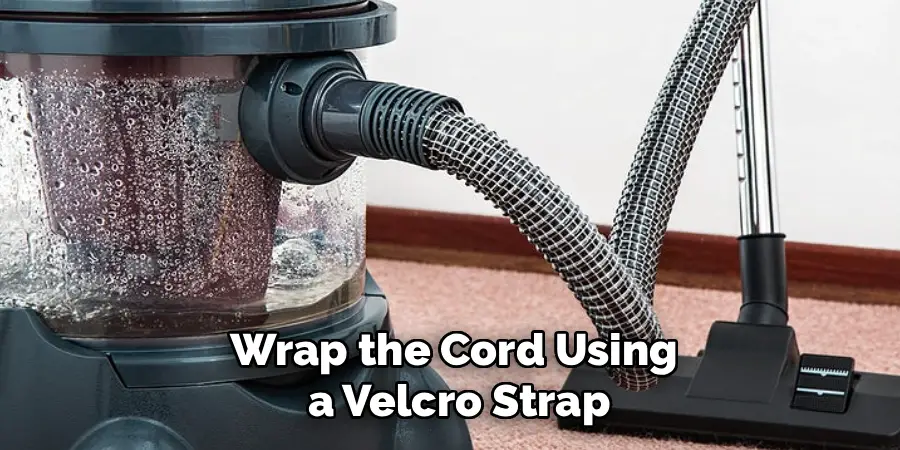
Wrap the cord using a Velcro strap or the built-in cord wrap, if the model has one. A cord left dangling can fray or crack, not to mention become a tripping hazard in a garage that’s already crowded. A tidy cord also means less fumbling the next time you need the vac in a hurry.
Step 6: Place The Unit In Its Designated Spot
Move the shop vac to its shelf, wall mount, or cart, and make sure it’s sitting upright and stable enough that a light bump won’t tip it over. If you’re using a cover, put it on now.
Step 7: Store Attachments And Accessories Together
Keep nozzles, wands, and other attachments in a labeled bin near the main unit. Scattered attachments go missing fast, and there’s nothing more annoying than tracking down the right nozzle when you’re mid-job. Grouping everything together saves time and keeps the garage looking less chaotic.
Run through these steps on how to store a shop vac in garage after every job, and the machine should stay reliable for years rather than months.
What Storage Mistakes Damage A Shop Vac Over Time?
A surprising number of people store their shop vac with debris still sitting in the tank, which invites mold and lingering odors. Others leave the hose attached and bent at a sharp angle, which can cause it to crack or lose its shape after a few months.
Storing the unit directly on a damp garage floor without any elevation is another common misstep—it exposes the tank and motor housing to moisture that may lead to rust or internal damage down the line. And skipping filter maintenance before storage tends to backfire too, since a dirty filter left untouched can clog permanently and hurt performance the next time the vac gets used.
How Do You Keep A Stored Shop Vac Ready To Use?
A quick monthly check goes a long way. Look at the filter for dust buildup, check the hose for cracks, and glance at the power cord for fraying.
It also helps to run the unit briefly every few weeks, even without an actual mess to clean. This keeps the motor components moving and gives you a chance to catch small mechanical issues early, rather than discovering them right when you actually need the vacuum.
Frequently Asked Questions
How Often Should I Clean My Shop Vac Before Storing It?
Clean it after every use, particularly the tank and filter, to avoid mold, odors, and clogging problems building up over time.
Can I Store My Shop Vac Outside The Garage?
Indoor storage is generally the better call. Outdoor exposure to rain, humidity, and temperature swings can damage the motor and plastic parts faster than indoor storage would.
Does It Matter If I Store The Hose Attached To The Unit?
It does. Leaving the hose attached and bent can lead to permanent kinks and cracks. Detaching it and coiling it loosely helps it hold up longer.
How Do I Know If My Filter Needs Replacing Instead Of Cleaning?
If it’s torn, thinning, or still clogging after a proper cleaning, replacement makes more sense than continuing to use it.
Keep Your Shop Vac Ready For The Next Mess
Storing a shop vac properly only takes a few extra minutes, but it shows in how long the machine lasts and how well it performs when you actually need it. Cleaning the tank, checking the filter, and organizing the hose and cord protect what you’ve spent money on and help you avoid frustrating breakdowns down the road.
Consistency matters more than perfection here. Fold these steps on how to store a shop vac in garage into your regular cleanup routine, and the shop vac should stay ready for whatever mess shows up next—no surprises when you flip the switch.

I am Rick. I grew up helping my dad with his handyman service. I learned a lot from him about how to fix things, and also about how to work hard and take care of business. These days, I’m still into fixing things- only now, I’m doing it for a living.
I’m always looking for new ways to help people grow and develop. That’s why I have created this blog to share all my experience and knowledge so
that I can help people who are interested in DIY repair.