
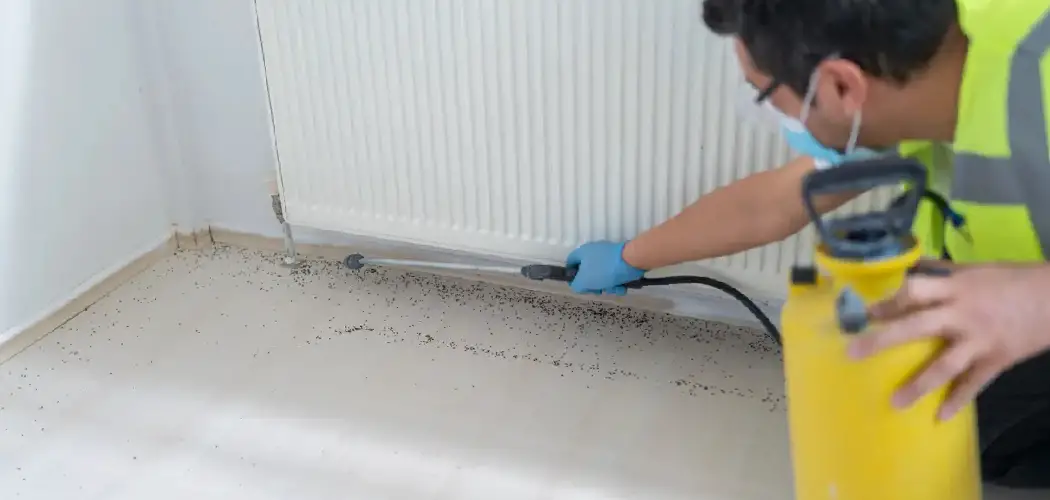
Your garage should feel like an extra room, not a mosquito magnet. Yet every time you open the door to grab your bike, sort recycling, or work on a weekend project, those tiny pests seem ready to greet you. Mosquitoes love garages because they offer everything they need: shade, moisture, quiet corners, and easy access to the rest of your home.
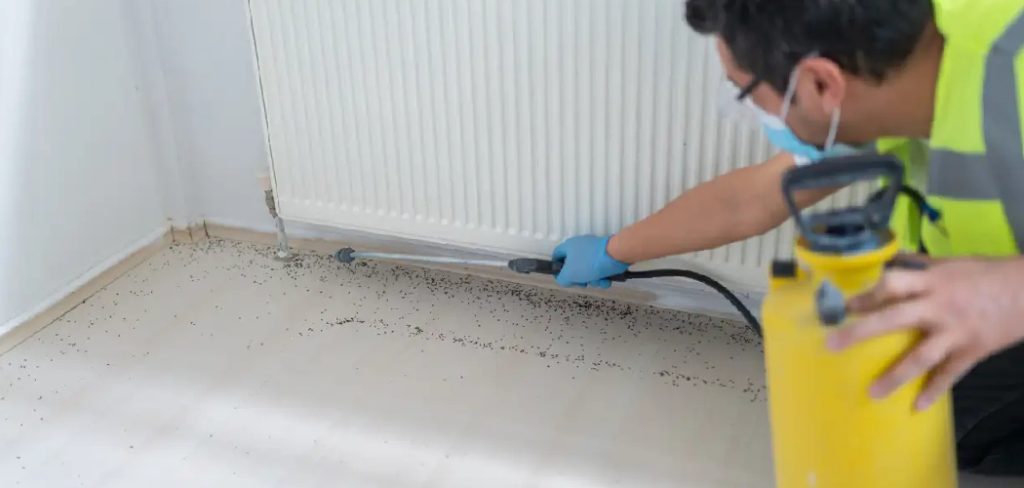
The problem is more than annoying. Mosquitoes bite, buzz, and carry diseases you’d rather keep far away from your family. And once they settle into your garage, they can sneak into your living spaces through gaps around doors and windows.
This guide on how to keep mosquitoes out of garage walks you through the exact steps to seal, clean, and protect your garage. Let’s make your garage a no-fly zone.
The Benefits of Keeping Mosquitoes Out of Your Garage
Taking a little time to mosquito-proof your garage pays off in more ways than you might expect. Here’s why this project is worth your effort.
- Fewer bites and less itching. The most obvious win is comfort. A mosquito-free garage means you can work, park, and store things without swatting the air or scratching your arms afterward.
- Better health protection. Mosquitoes can carry diseases like West Nile virus and Zika. Reducing their numbers around your home lowers your family’s exposure and gives you peace of mind.
- A cleaner, more usable space. Many mosquito-proofing steps also make your garage tidier. Removing clutter and standing water keeps the space fresh and organized, so it’s more pleasant to use.
- Protection for the rest of your home. Your garage often connects directly to your house. When you block mosquitoes from getting in, you also stop them from slipping through that interior door into your kitchen or hallway.
- Money saved over time. Preventing an infestation is far cheaper than dealing with one. Sealing gaps and improving airflow can even help with energy costs and moisture control.
- More enjoyment of your space. Whether you use your garage as a workshop, a gym, or a hangout spot, keeping it pest-free lets you actually enjoy the room you paid for.
What Will You Need?
Before you start, gather your supplies. Having everything on hand makes the job smoother and faster. Here’s your checklist:
- Weatherstripping for the base of your garage door and any side doors
- Door sweeps to seal gaps at the bottom of doors
- Caulk and a caulk gun for sealing cracks around windows and walls
- Fine mesh screens for windows and vents
- A box fan or ceiling fan to keep air moving
- Mosquito repellent plants like citronella, lavender, or marigolds
- A broom and cleaning supplies for decluttering
- Trash bags for removing junk
- A flashlight to spot hidden gaps and cracks
- Mosquito traps or zappers for extra protection
- Peppermint or eucalyptus essential oil for a natural deterrent
- Gloves and safety glasses for comfort and protection
Most of these items are affordable and easy to find at any hardware store. Once you’ve collected them, you’re ready to begin.
10 Easy Steps on How to Keep Mosquitoes Out of Garage
Step 1: Seal the Garage Door
Your garage door is the biggest entry point for mosquitoes. When it’s closed, gaps along the bottom and sides can still let pests slip through. Start by inspecting the bottom seal. If the rubber strip is cracked, brittle, or worn, replace it with new weatherstripping. Press the new seal firmly into place so it forms a tight barrier against the floor.
Next, check the sides and top of the door. Add weatherstripping where you notice light peeking through. A snug door not only keeps mosquitoes out but also blocks other pests and helps control the temperature inside. Take your time here, because a well-sealed door does most of the heavy lifting.
Step 2: Fix Gaps Around Side Doors
Many garages have a side door that leads outside or into the yard. These doors often have gaps that mosquitoes exploit. Install a door sweep along the bottom to close the space between the door and the threshold. Then add weatherstripping around the frame to seal the sides and top.
Open and close the door a few times to make sure it still shuts easily. You want a tight seal without forcing the door. A properly sealed side door removes another easy path for mosquitoes and keeps your barrier complete.
Step 3: Screen Your Windows and Vents
Garages often have windows or vents for airflow, and these are prime spots for mosquitoes to sneak in. Cover every window with fine mesh screens. The mesh should be small enough to block mosquitoes while still letting air pass through.
Don’t forget vents. Attach screen material over any openings that lead outside. Secure the edges tightly so there are no gaps. This lets you keep your garage ventilated without inviting pests. Check the screens now and then for holes, and patch or replace them as needed.
Step 4: Remove Standing Water
Mosquitoes need water to breed, and even a small puddle can become a nursery. Walk through your garage and look for any water sources. Check buckets, watering cans, old tires, plant saucers, and containers that collect rain or drips.
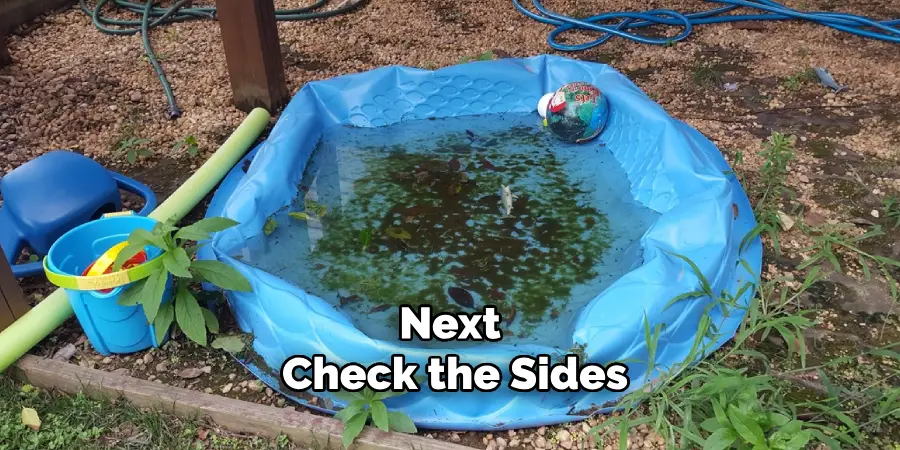
Empty and dry everything you find. Store containers upside down so they can’t fill with water. If your garage has a leak or a spot where water pools, fix the source or improve drainage. Removing standing water is one of the most powerful steps you can take, since it stops mosquitoes before they even hatch.
Step 5: Declutter and Clean
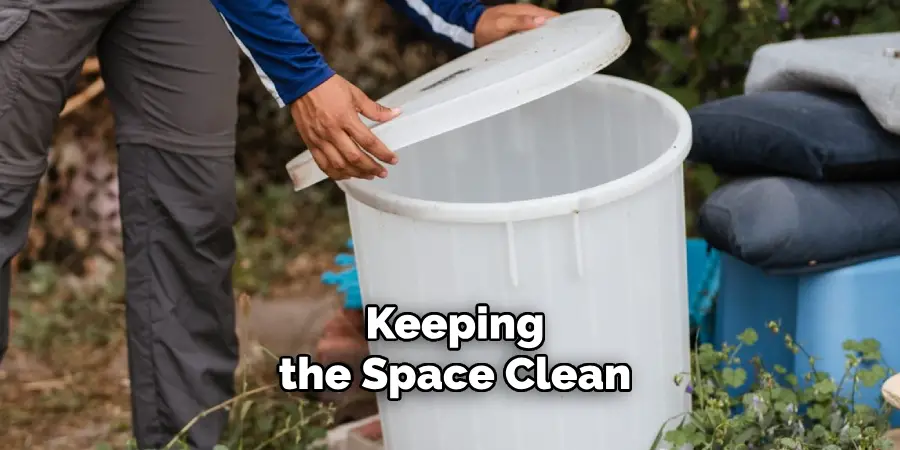
Mosquitoes love dark, cluttered corners where they can rest undisturbed. A messy garage gives them plenty of hiding spots. Grab your broom and trash bags and clear out items you no longer need. Sweep the floors, wipe down surfaces, and organize what stays.
Pay attention to piles of cardboard, old rags, and stacks of boxes, since these hold moisture and offer shelter. A clean, open garage is far less inviting to pests. Plus, you’ll enjoy the extra space and the fresh, tidy feel.
Step 6: Improve Air Circulation
Mosquitoes are weak fliers and dislike moving air. A simple fan can make your garage much less welcoming. Set up a box fan or install a ceiling fan to keep the air moving, especially in warm months.
Good airflow also reduces humidity, which mosquitoes crave. Run the fan when you’re working in the garage, and consider leaving it on during peak mosquito hours in the evening. This easy, low-cost step disrupts their flight and pushes them away from your space.
Step 7: Add Mosquito-Repelling Plants
Certain plants naturally keep mosquitoes at bay. Citronella, lavender, marigolds, basil, and rosemary all give off scents that pests dislike. Place a few potted plants near your garage entrance or by windows.
These plants add a pleasant touch while working as a natural barrier. Keep them healthy and watered, but avoid letting the saucers collect standing water. Combining plants with your other steps builds a stronger, layered defense that smells great too.

Step 8: Use Natural Repellents
Essential oils are a simple, chemical-free way to deter mosquitoes. Peppermint, eucalyptus, and tea tree oils all work well. Mix a few drops with water in a spray bottle and mist the corners, doorways, and windowsills of your garage.
You can also soak cotton balls in oil and tuck them into problem areas. Refresh the scent every few days, since the effect fades over time. Natural repellents are safe, affordable, and easy to reapply whenever you notice mosquitoes creeping back.
Step 9: Set Up Traps or Zappers
For stubborn mosquitoes that still find their way in, traps and zappers offer extra protection. Bug zappers use light to attract and eliminate flying pests, while mosquito traps lure them in and capture them.
Place these devices in corners or near entry points, away from where you sit or work. Empty and clean them regularly to keep them effective. Traps and zappers are a helpful backup, though they work best alongside sealing and cleaning rather than on their own.
Step 10: Keep Doors Closed and Stay Consistent
The final step is about habit. Even the best-sealed garage won’t stay pest-free if the door sits open for long stretches. Make a point of closing the garage door promptly after you drive in or out. The same goes for side doors.
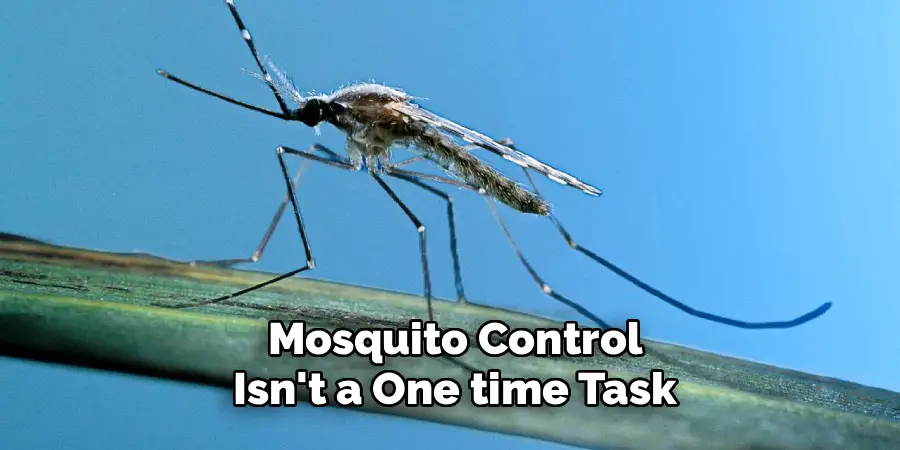
Stay consistent with your other efforts too. Check seals every season, refresh repellents, empty standing water, and keep the space clean. Mosquito control isn’t a one-time task. A little regular attention keeps your garage protected all year long.
5 Things You Should Avoid
Even with the best intentions, a few common mistakes can undo your hard work. Steer clear of these pitfalls.
- Leaving the garage door open too long. Every minute the door sits open is an invitation. Close it as soon as you’re done coming or going.
- Ignoring small gaps. A tiny crack might seem harmless, but mosquitoes only need a sliver of space. Don’t skip the small openings around windows, walls, and doors.
- Letting water collect. Forgetting about a single bucket or clogged drain can restart the breeding cycle. Stay alert to any spot where water gathers.
- Relying on one method only. No single trick keeps mosquitoes out completely. Combine sealing, cleaning, airflow, and repellents for the best results.
- Skipping regular maintenance. Seals wear out, screens tear, and clutter builds up again. Neglecting upkeep lets mosquitoes return, so make checks a routine.
Conclusion
How to keep mosquitoes out of garage doesn’t require expensive equipment or professional help. It comes down to a handful of smart, simple steps you can do yourself. By sealing your doors, screening your windows, removing standing water, and keeping the space clean, you build a strong barrier against these unwanted pests.
The real secret is combining methods. One fix alone won’t keep every mosquito away, but layering your defenses makes your garage far less inviting. Add repellent plants, keep the air moving, and set up traps for extra backup. Then stay consistent with maintenance so your hard work lasts.
Start with the steps in this guide, keep up with the small habits, and you’ll wave goodbye to those buzzing invaders for good.

I am Rick. I grew up helping my dad with his handyman service. I learned a lot from him about how to fix things, and also about how to work hard and take care of business. These days, I’m still into fixing things- only now, I’m doing it for a living.
I’m always looking for new ways to help people grow and develop. That’s why I have created this blog to share all my experience and knowledge so
that I can help people who are interested in DIY repair.