
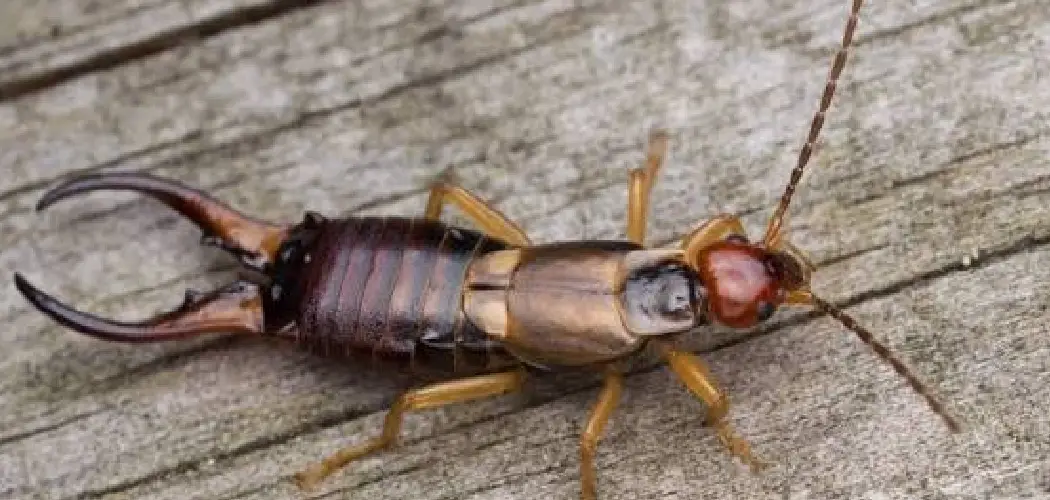
Open your garage door on a warm summer evening, and you might notice unwanted guests buzzing around your workspace. Flies, moths, gnats, and mosquitoes love garages. These spaces offer shelter, warmth, moisture, and often a snack or two. If you’ve ever swatted at a cloud of gnats while trying to grab your tools, you know how frustrating the problem can be.
Flying bugs in the garage aren’t just annoying. They can spread germs, damage stored items, and even sneak into your home through the connecting door. The good news? You don’t have to live with them. With a few simple changes and the right habits, you can turn your garage into a bug-free zone.
This guide on how to keep flying bugs out of garage walks you through everything you need to know. Let’s get started.
Benefits of Keeping Flying Bugs Out of Your Garage
Taking the time to bug-proof your garage pays off in more ways than you might expect. Here are the biggest wins:
- A cleaner, healthier space. Flies and mosquitoes carry bacteria and can spread disease. Fewer bugs means a safer environment for your family.
- Protection for your stored items. Moths and other insects chew through fabric, cardboard, and paper. Keeping them out protects boxes, seasonal decorations, and camping gear.
- Fewer pests inside your home. The door between your garage and house is a common entry point. Stop bugs in the garage, and fewer will make it indoors.
- A more pleasant work area. Whether you use your garage for hobbies, workouts, or car repairs, you’ll enjoy it more without buzzing distractions.
- Lower risk of bigger infestations. Flying bugs attract spiders and other predators. Cutting off the food supply keeps the whole ecosystem in check.
- Peace of mind. You’ll spend less time swatting and more time getting things done.
These benefits build on each other. A little effort now saves you from bigger headaches later.
What Will You Need?
Before you begin, gather your supplies. Most of these items are inexpensive and easy to find at any hardware store. Having everything ready makes the job go faster.
- Weatherstripping for the garage door and any side doors
- A garage door threshold seal or bottom seal
- Caulk and a caulking gun for sealing cracks and gaps
- Steel wool or expanding foam for larger openings
- Fine-mesh screens for windows and vents
- A broom, dustpan, and shop vacuum for cleaning
- Trash bags with tight-fitting lids
- LED or yellow “bug light” bulbs
- Fly traps, sticky traps, or an insect zapper
- Essential oils like peppermint or citronella (optional, natural repellent)
- A dehumidifier if your garage tends to be damp
- Gloves and a dust mask for safety while cleaning
Once you have these on hand, you’re ready to work through the steps below.
10 Easy Steps on How to Keep Flying Bugs Out of Garage
Step 1: Seal the Garage Door Bottom
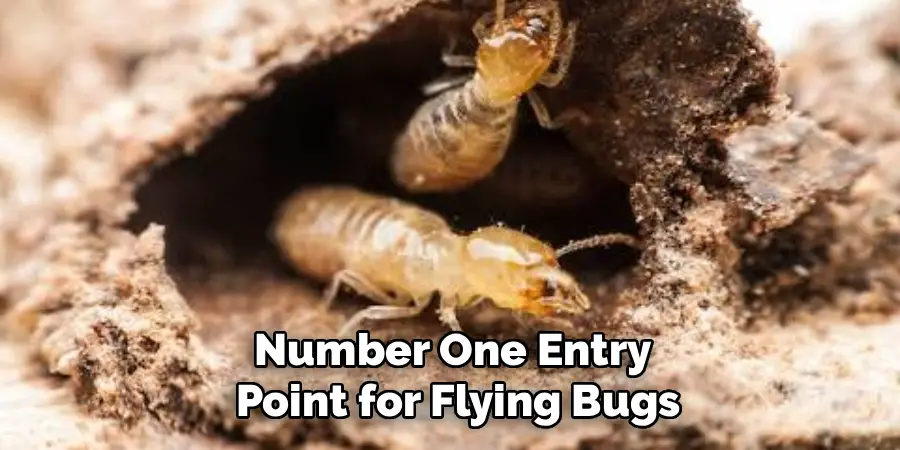
The gap under your garage door is the number one entry point for flying bugs. Even a small opening lets insects slip through. Inspect the bottom seal and replace it if it’s cracked, brittle, or worn. Install a rubber threshold seal on the floor for extra protection. When the door closes, it should press firmly against this seal with no visible light peeking through. This single fix can dramatically reduce the number of bugs that get inside.
Step 2: Add Weatherstripping Around Doors and Frames
After the bottom seal, focus on the sides and top of the garage door, plus any side entry doors. Apply weatherstripping along the frames to close small gaps. Run your hand along the edges to feel for drafts. If you feel air moving, bugs can get through there too. Weatherstripping is cheap, easy to install, and blocks both insects and outdoor air. Replace old strips that have lost their flexibility for the best results.
Step 3: Caulk Every Crack and Gap
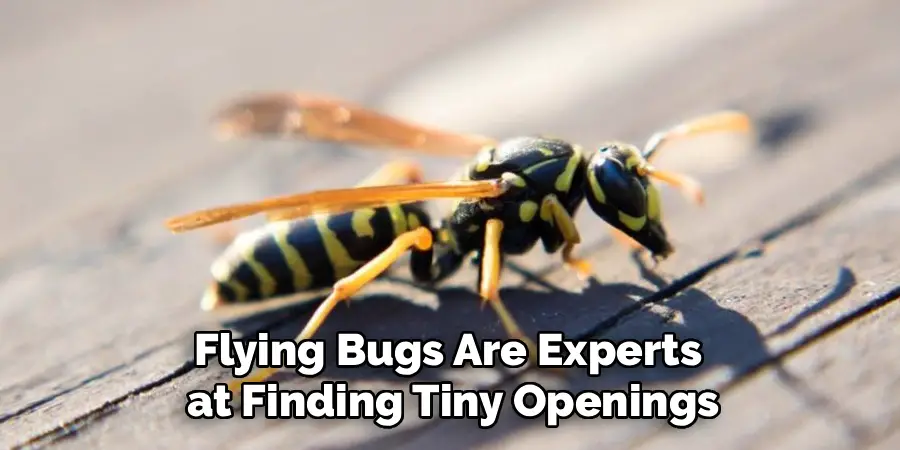
Flying bugs are experts at finding tiny openings. Walk around your garage and look for cracks in the walls, gaps around windows, and spaces where pipes or wires enter. Use caulk to seal any gap smaller than a quarter inch. For larger holes, stuff them with steel wool first, then cover with expanding foam or caulk. Pay special attention to corners and the areas where the walls meet the foundation. Sealing these spots keeps bugs out and improves energy efficiency too.
Step 4: Install Screens on Windows and Vents
Ventilation is important, but open windows and vents invite bugs inside. Fit fine-mesh screens over every window you plan to open. Cover vents with insect screening as well. Choose a mesh fine enough to stop gnats and mosquitoes, which can slip through wider gaps. Check existing screens for tears or holes and patch or replace them. This lets you enjoy fresh air without the flying visitors.
Step 5: Keep the Garage Clean and Clutter-Free
Bugs love hiding in messes. Piles of boxes, stacks of newspaper, and forgotten corners give insects places to breed and hide. Sweep the floor regularly and clear away clutter. Store items in sealed plastic bins instead of open cardboard boxes, which attract moths and silverfish. A tidy garage is far less appealing to pests. Set a reminder to do a quick cleanup every couple of weeks.
Step 6: Manage Trash and Recycling Carefully
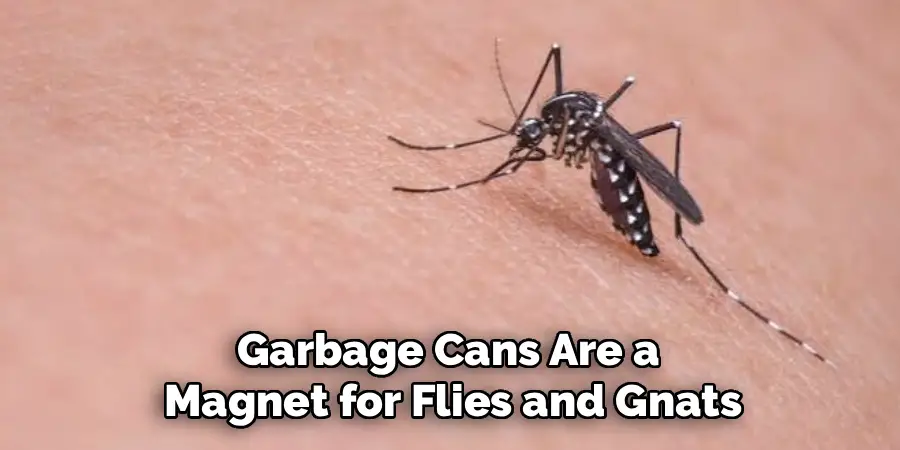
Garbage cans are a magnet for flies and gnats. If you store trash or recycling in your garage, use containers with tight-fitting lids. Rinse out cans and bottles before tossing them to remove food residue and sugary drinks. Take the trash out on a regular schedule so waste doesn’t sit and rot. Keeping food sources sealed removes one of the biggest reasons bugs show up in the first place.
Step 7: Control Moisture and Standing Water
Many flying bugs, especially mosquitoes and gnats, are drawn to moisture. Look for leaks, damp spots, or standing water in your garage. Fix any dripping pipes and dry up puddles right away. If your garage feels humid, run a dehumidifier to keep the air dry. Empty buckets, watering cans, and anything else that collects water. A dry garage is a far less welcoming home for insects.
Step 8: Switch to Bug-Friendly Lighting
Standard white and blue lights attract moths, flies, and other flying insects like a beacon. Swap them for warm LED bulbs or yellow “bug lights,” which are far less attractive to bugs. Position outdoor lights away from the garage door so insects gather elsewhere. Turn off garage lights when you’re not using the space. This simple change makes a big difference, especially at night when bugs are most active.
Step 9: Use Traps and Natural Repellents
Even with your garage sealed up, a few bugs may still wander in. Set up sticky traps, fly paper, or an insect zapper to catch them. Place traps near windows and doors where bugs enter. For a natural touch, dab peppermint, citronella, or eucalyptus oil on cotton balls and tuck them in corners. Many insects dislike these strong scents. These tools handle the stragglers so your space stays comfortable.
Step 10: Do Regular Inspections and Maintenance
Bug-proofing isn’t a one-time job. Seals wear out, new cracks form, and the seasons change. Once a month, walk through your garage and check your work. Look at the door seals, screens, and caulking. Refill traps and empty the dehumidifier. Catching small problems early keeps them from turning into full-blown infestations. A few minutes of upkeep protects all the effort you put in.
5 Things You Should Avoid
Even with good intentions, certain habits can undo your hard work. Steer clear of these common mistakes:
- Leaving the garage door open too long. Every minute the door stays open is an open invitation. Close it as soon as you’re done coming or going.
- Storing food or pet supplies improperly. Open bags of pet food, birdseed, or snacks attract bugs fast. Keep everything in sealed containers.
- Ignoring small leaks. A tiny drip may seem harmless, but the moisture draws pests. Fix leaks the moment you spot them.
- Using the wrong lightbulbs. Bright white outdoor lights near the door pull in swarms of insects. Choose warm or yellow bulbs instead.
- Skipping regular cleaning. Clutter and crumbs give bugs food and shelter. Don’t let your garage become a breeding ground.
Avoiding these pitfalls keeps your bug-proofing efforts working long-term.
Conclusion
How to keep flying bugs out of garage doesn’t have to be a fact of life. With a little effort, you can seal them out and keep your space clean, comfortable, and pest-free. The key is to close off entry points, remove the things that attract bugs, and stay on top of maintenance.
Start with the biggest gaps first, like the bottom of your garage door, then work through the smaller cracks and openings. Keep the space clean, manage moisture, and switch to bug-friendly lighting. Traps and natural repellents handle any stragglers that slip through. Finally, make monthly inspections a habit so your hard work keeps paying off.
Follow these ten steps to avoid the common mistakes, and you’ll enjoy a garage that’s yours again, not the neighborhood bugs’. Grab your supplies, set aside an afternoon, and take back your space today.

I am Rick. I grew up helping my dad with his handyman service. I learned a lot from him about how to fix things, and also about how to work hard and take care of business. These days, I’m still into fixing things- only now, I’m doing it for a living.
I’m always looking for new ways to help people grow and develop. That’s why I have created this blog to share all my experience and knowledge so
that I can help people who are interested in DIY repair.