
Arizona summers are no joke. Garage temperatures in Phoenix, Tucson, and surrounding areas routinely climb past 120°F when the sun beats down on an uninsulated door and a dark roof all day. Whether you use your garage as a workshop, a gym, or just want to park your car in something cooler than an oven, the heat is a real obstacle.
Knowing how to cool a garage in arizona starts with understanding why garages get so hot in the first place — and layering the right solutions in the right order. There’s no single fix that works for everyone. Your results depend on factors like insulation, shade, garage orientation, and how much time you actually spend in the space. This guide walks you through practical, proven strategies so you can build a cooling plan that actually works for your situation.
Why Cool In Arizona Matters
An uncooled garage in Arizona isn’t just uncomfortable — it’s a liability. Extreme heat degrades stored items, strains car batteries and tires, warps wood projects, and makes the space completely unusable for several months of the year.
For attached garages, the problem spreads. Heat radiating through shared walls raises your home’s cooling load, pushing your HVAC system harder and driving up energy bills. For anyone using their garage as a workspace, workshop, or gym, working in 115°F heat is a genuine health risk.
Step-By-Step Guide To How To Cool A Garage In Arizona
Step 1: Start With The Garage Door — Your Biggest Heat Source
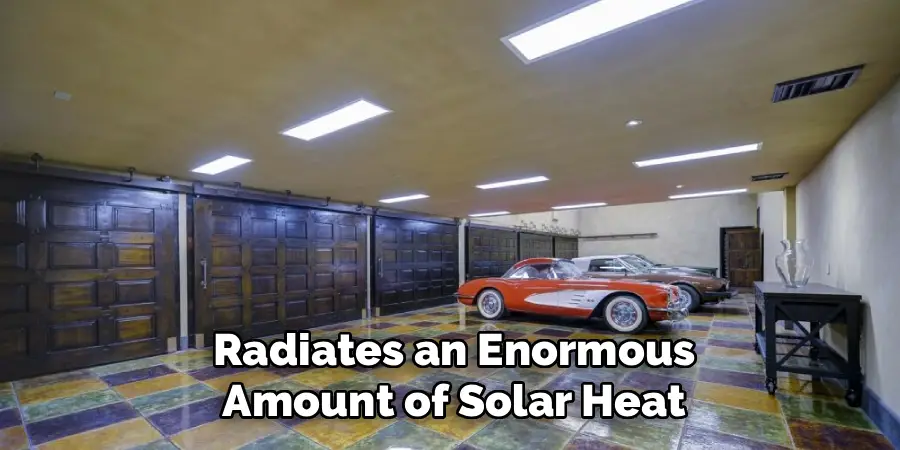
The garage door is often the largest single surface in the space, and in Arizona it absorbs and radiates an enormous amount of solar heat. A standard uninsulated steel door can reach 160°F by midday and radiate that heat directly into the garage long after the sun moves. If your door isn’t insulated, adding a garage door insulation kit is one of the most impactful and affordable upgrades you can make.
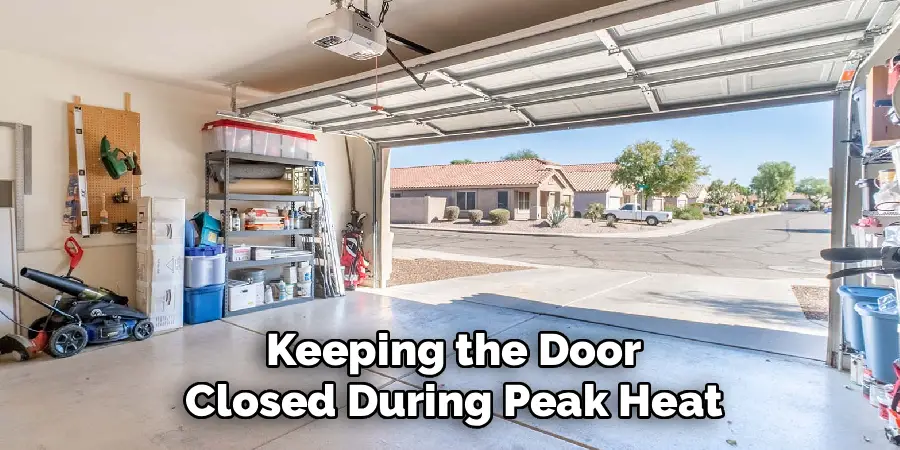
Look for kits with an R-value of at least R-8, and consider replacing the door entirely if it’s old and thin. Keeping the door closed during peak heat hours — typically 10 a.m. to 6 p.m. — also makes a significant difference. The less direct exposure to afternoon sun, the lower your starting temperature.
Step 2: Insulate The Walls And Ceiling Before Adding Cooling Equipment
No cooling method works efficiently in an uninsulated garage. Hot air conducts through bare drywall, concrete block, and exposed framing fast enough to overwhelm any fan or AC unit. Insulating the walls with fiberglass batts or rigid foam board and the ceiling with blown-in insulation or rigid panels creates a thermal barrier that keeps outside heat outside.
In Arizona, pay particular attention to the ceiling — solar gain through the roof is intense, and an insulated ceiling dramatically slows how fast the interior heats up. Even moderate insulation levels in a previously bare garage can reduce peak indoor temperatures by 15 to 25 degrees before you spend anything on active cooling equipment.
Step 3: Add A Radiant Barrier To Reflect Roof Heat
A radiant barrier is a reflective foil material installed in the attic or directly under the roof deck. It works by reflecting radiant heat before it conducts into the space below, rather than absorbing and slowly releasing it like standard insulation does. In Arizona’s climate, where solar radiation is extreme, radiant barriers are particularly effective.
For garage applications, you can staple foil-faced radiant barrier material to the underside of the roof rafters with the shiny side facing down toward the living space. This is a manageable DIY project and costs significantly less than a full insulation upgrade. Paired with ceiling insulation, it reduces the roof-to-interior heat transfer that makes Arizona garages so brutal on sunny afternoons.
Step 4: Seal Air Leaks And Replace Weatherstripping
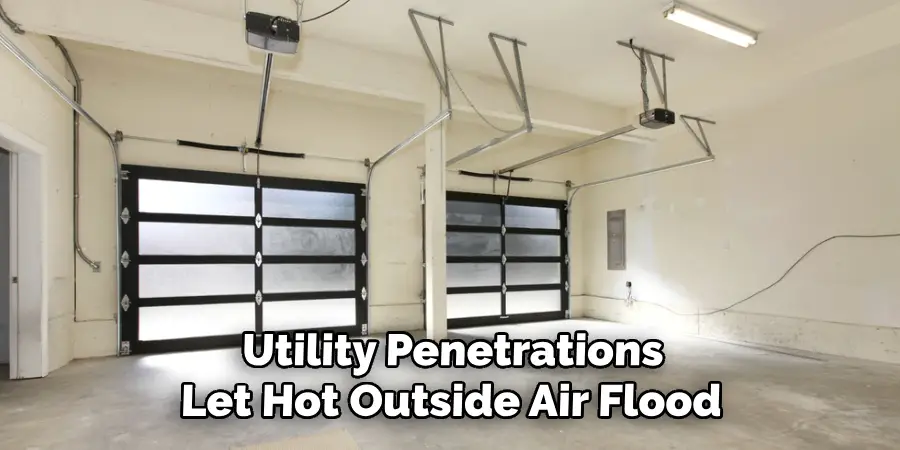
Air sealing is easy to overlook, but gaps around the garage door, pedestrian entry door, windows, and utility penetrations let hot outside air flood in constantly. In Arizona, the temperature difference between inside and outside during summer afternoons can exceed 30 degrees even in a modestly cooled garage — every gap works against you.
Replace worn weatherstripping along the bottom and sides of the garage door, and check the seal on any entry door leading into the house or outside. Use foam backer rod and caulk to close gaps around pipes, electrical conduits, and any other penetrations through walls or the ceiling. These are inexpensive fixes that compound the benefits of every other step you take.
Step 5: Improve Ventilation With The Right Fans
Ventilation alone won’t cool an Arizona garage to comfortable levels, but it prevents heat from building up to extreme levels and makes evaporative cooling and other strategies more effective. A ceiling fan rated for large spaces keeps air moving without creating humidity, which matters in a dry climate. For active ventilation, a whole-garage exhaust fan mounted high on a wall or through the ceiling pulls hot air out when outside temperatures drop — typically early morning and evening.
Position the exhaust point on the side opposite where fresh air enters to maximize cross-ventilation. Running ventilation during the cooler hours of early morning flushes the accumulated heat from the previous day and gives you a lower starting point before the afternoon sun hits again.
Step 6: Using Evaporative Or Portable Cooling
Arizona’s low humidity makes evaporative coolers — also called swamp coolers — genuinely effective for garages during most of the summer. They consume a fraction of the electricity that refrigerant-based AC uses and can drop temperatures by 15 to 30 degrees in a space that has adequate airflow. They work best when a window or vent is open to allow moisture-laden air to exit.
Portable air conditioners are an option when the garage is well-sealed and insulated, but they struggle in large, poorly insulated spaces and require a vent hose for exhaust. They work better in smaller garages or as a supplement to other strategies. Keep expectations realistic — a portable AC unit in a 500-square-foot uninsulated garage on a 115°F day will run constantly and still lose the battle.
Step 7: Consider A Mini-Split For A Workshop Or Frequently Used Space
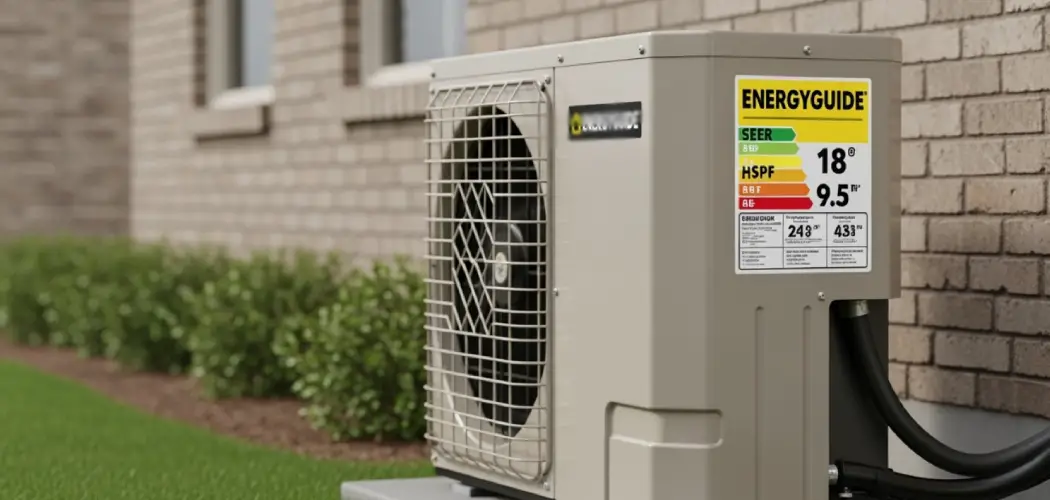
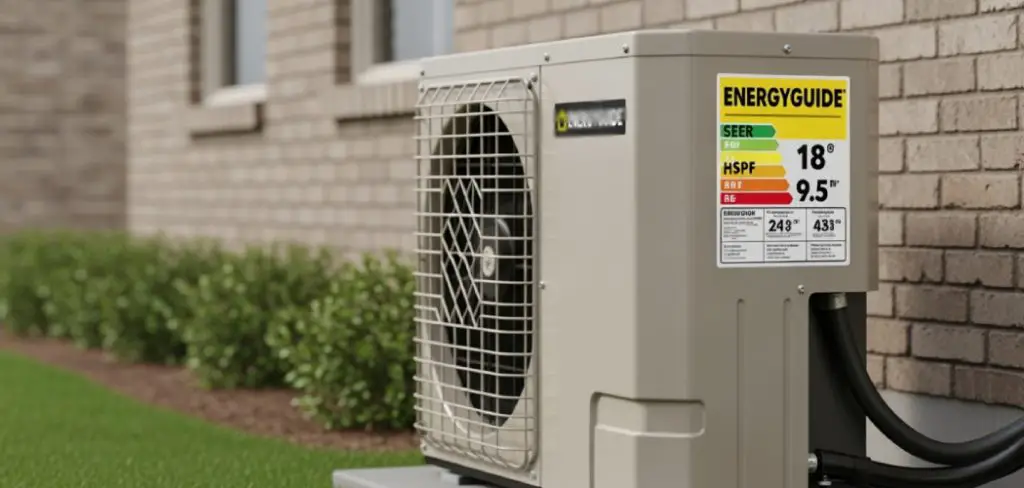
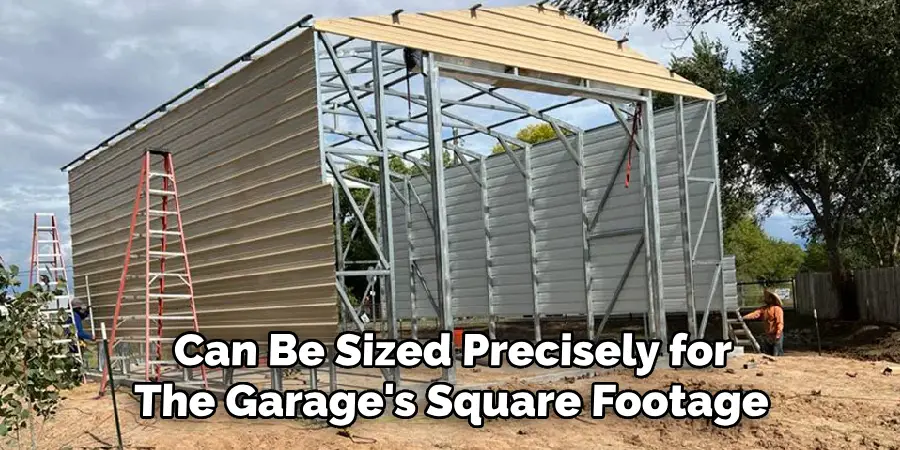
If you use your garage as a dedicated workshop, gym, or hobby space, a ductless mini-split system is the most effective permanent cooling solution available. Mini-splits cool efficiently, don’t require ductwork, and can be sized precisely for the garage’s square footage. They also provide heating in winter, which is worth considering in Arizona’s cooler months.
Installation requires a licensed HVAC technician and a dedicated electrical circuit, so the upfront cost is higher than other options — typically $2,000 to $4,500 installed depending on capacity and brand. But if the garage is genuinely part of your daily life, the investment pays off quickly in comfort, productivity, and reduced wear on tools and equipment that suffer in extreme heat.
Frequently Asked Questions
What Temperature Does A Garage Reach In Arizona During Summer?
Uninsulated garages in Arizona can reach 130 to 150°F on the hottest days when the garage door faces west or south and the space has no ventilation. Even insulated garages with no active cooling commonly reach 100 to 115°F during peak afternoon hours. Reducing solar gain and improving insulation lowers that starting point significantly before adding any active cooling.
Does An Evaporative Cooler Work In An Arizona Garage?
Yes, evaporative coolers work well in Arizona garages during most of the summer because humidity levels are typically low, especially outside monsoon season. They are most effective when the garage has a vent or window to release humid exhaust air. During monsoon months when humidity rises, their effectiveness drops and a refrigerant-based option becomes more practical.
How Much Does It Cost To Install A Mini-Split In A Garage?
A ductless mini-split installed in a single-car or two-car garage typically costs between $2,000 and $4,500 in Arizona, including equipment and labor. Cost varies based on the brand, cooling capacity, electrical work required, and installer rates. Units sized at 9,000 to 18,000 BTU cover most standard garages, with larger two-car spaces needing 24,000 BTU or more.
Will Insulating My Garage Door Actually Make A Difference?
Yes, noticeably. An insulated garage door with an R-value of R-8 or higher significantly reduces the amount of heat radiating off the door surface into the garage interior. Combined with keeping the door closed during peak heat hours, this single upgrade can drop interior temperatures by 10 to 20 degrees compared to a bare uninsulated metal door on a hot Arizona afternoon.
Is It Worth Cooling A Detached Garage In Arizona?
It depends on how often you use it. A detached garage used only for parking may not justify the cost of active cooling, but basic improvements like insulation, radiant barriers, and ventilation still make a meaningful difference. If the space functions as a workshop, studio, or gym, investing in proper insulation and a mini-split or evaporative cooler makes the space genuinely usable year-round.
Conclusion
Arizona heat demands a layered approach — there’s no single product or shortcut that makes a garage comfortable when outdoor temperatures push past 110°F. Start with the fundamentals: insulate the door and ceiling, add a radiant barrier, seal air leaks, and improve ventilation. Build from there based on how you use the space and what your budget allows.
Mastering how to cool a garage in arizona is really about stacking smart, cost-effective improvements in the right order before reaching for expensive equipment. Fix the thermal envelope first, then choose the right active cooling method for your usage and budget. Take it one step at a time, start before the summer peak hits, and you’ll have a garage that’s actually worth spending time in — even in July.

I am Rick. I grew up helping my dad with his handyman service. I learned a lot from him about how to fix things, and also about how to work hard and take care of business. These days, I’m still into fixing things- only now, I’m doing it for a living.
I’m always looking for new ways to help people grow and develop. That’s why I have created this blog to share all my experience and knowledge so
that I can help people who are interested in DIY repair.