
Your garage floor takes a beating. Between parking cars, running the lawnmower, and tackling weekend projects, it’s no surprise that dark, stubborn grease stains start creeping across the concrete. One minute your floor looks clean, and the next you’re staring at an ugly patch of oil that seems impossible to shift. Grease and oil stains don’t just look bad. They can make the surface slippery, dangerous, and hard to keep tidy.
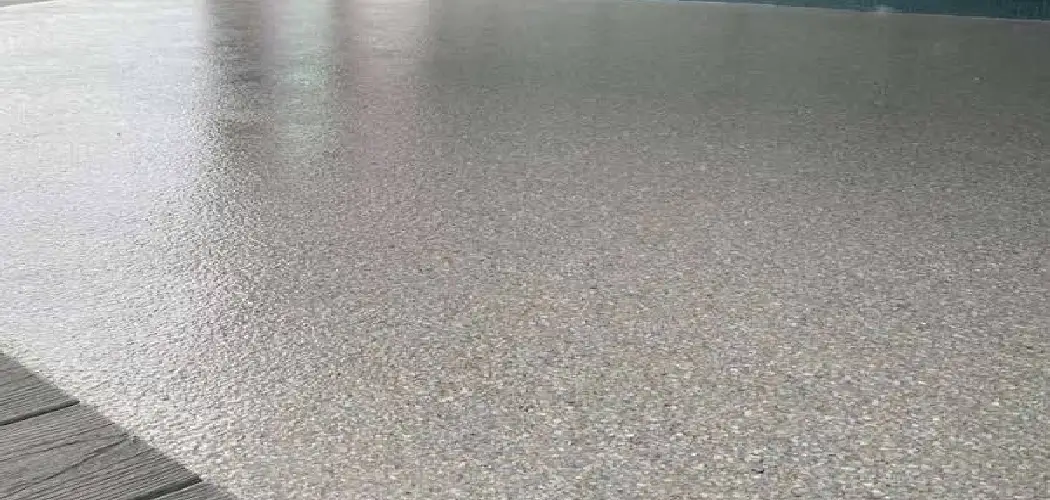
The good news? You don’t need a professional cleaning crew or expensive equipment to fix the problem. With a few common household items, some elbow grease, and a clear plan, you can bring your garage floor back to life.
This guide on how to remove grease from garage floor walks you through everything you need to know. Let’s get that floor looking great again.
The Benefits of Removing Grease from Your Garage Floor
Cleaning grease off your garage floor isn’t just about looks, though a spotless floor certainly feels satisfying. There are several practical reasons to keep your concrete free of oil and grime.
First, safety is a big one. Grease makes concrete slippery, and a wet or oily patch can lead to nasty falls. If you have kids, pets, or older family members around, a clean floor reduces the risk of accidents.
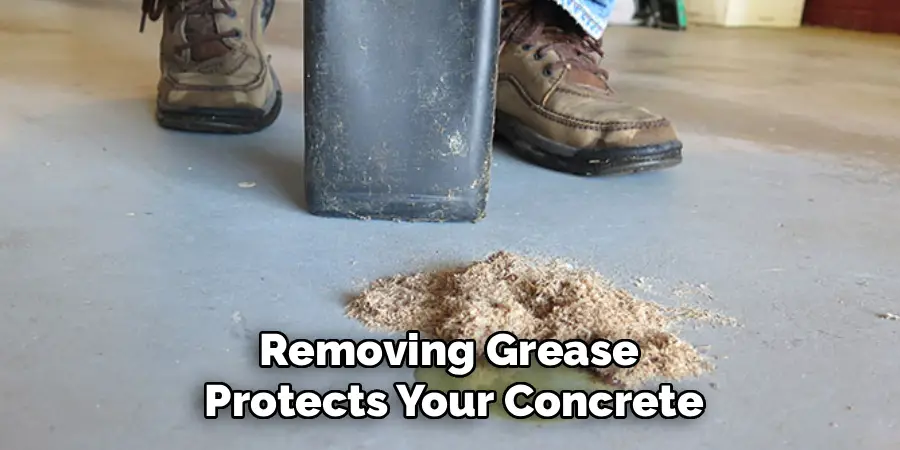
Second, removing grease protects your concrete. Over time, oil soaks deep into porous concrete and can weaken it. Left alone, stains attract more dirt and become harder to remove. Cleaning early keeps your floor in better shape for longer.
Third, a clean garage floor boosts your home’s value. If you ever plan to sell, buyers notice a tidy, well-kept garage. It signals that the whole home has been cared for.
Finally, a grease-free floor simply makes your garage more pleasant to use. You can work on projects, store belongings, and move around without worrying about tracking oil into your house or onto your clothes.
What Will You Need?
Before you start, gather your supplies. Having everything ready saves time and keeps the job running smoothly. Most of these items you probably already own or can grab at any hardware store.
- Cat litter or baking soda – for soaking up fresh grease
- Dish soap – a strong, grease-cutting brand works best
- Baking soda – doubles as a gentle scrubbing agent
- White vinegar – helps break down oil
- A stiff-bristled scrub brush – avoid wire brushes on concrete
- A putty knife or scraper – for lifting caked-on grime
- Hot water – in a bucket
- A garden hose – for rinsing
- Rubber gloves – to protect your hands
- Old rags or paper towels
- A commercial degreaser – for tough, set-in stains
- A push broom – for spreading water and cleaning up
- Safety goggles – especially when using strong chemicals
10 Easy Steps on How to Remove Grease from Garage Floor
Step 1: Assess the Stain
Start by taking a close look at the grease stain. Is it fresh or old? Fresh spills sit on the surface and lift off easily. Older stains soak deep into the concrete and need more effort. Knowing what you’re dealing with helps you pick the right method. Run your hand near the stain (with gloves on) to feel whether it’s still wet or fully dried. This quick check saves you from wasting time and supplies on the wrong approach.
Step 2: Soak Up Fresh Grease
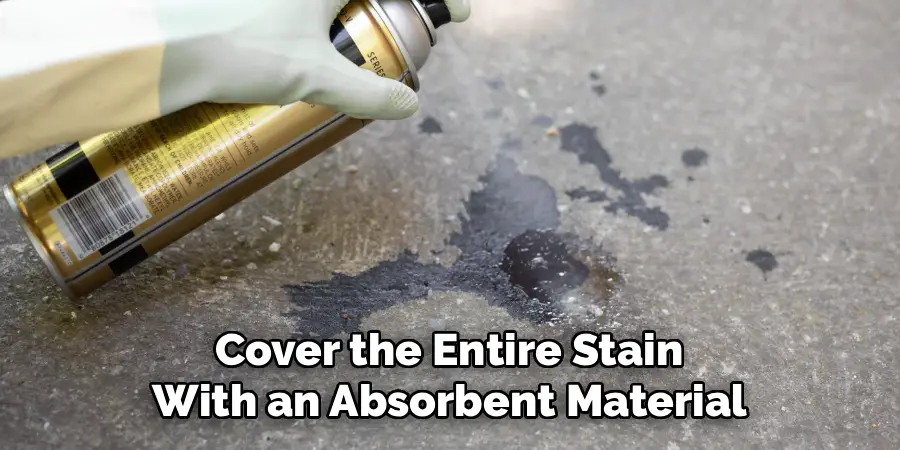
If the spill is recent, act fast. Cover the entire stain with an absorbent material like cat litter, baking soda, or even sawdust. These materials pull the oil out of the concrete before it sets. Spread a generous layer and press it gently into the grease. Let it sit for at least 30 minutes, though a few hours works even better for larger spills. The longer it sits, the more oil it draws out. Once done, sweep up the material and toss it in the trash.
Step 3: Scrape Off Excess Buildup
For thicker, caked-on grease, use a putty knife or plastic scraper to lift the top layer. Work carefully so you don’t scratch or gouge the concrete. Hold the scraper at a low angle and push forward to peel away hardened grime. This step removes the bulk of the mess and makes the deeper cleaning far more effective. Wipe your scraper on an old rag between passes to keep it working well.
Step 4: Apply Dish Soap and Hot Water
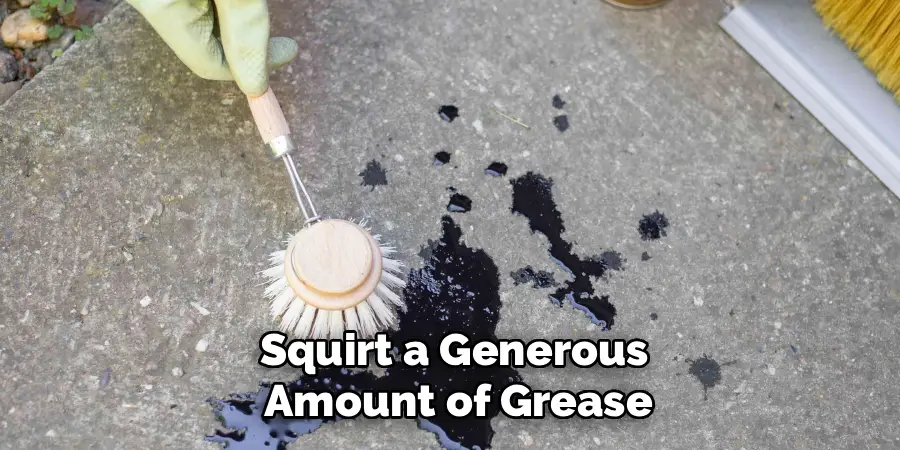
Now it’s time to break down what’s left. Squirt a generous amount of grease-cutting dish soap directly onto the stain. Pour hot water over the top to create a soapy layer. The heat helps loosen the oil while the soap binds to the grease. Let this mixture sit for five to ten minutes. Don’t let it dry out. If it starts to dry, add a splash more hot water to keep things working.
Step 5: Scrub the Stain
Grab your stiff-bristled brush and start scrubbing in firm, circular motions. Put your weight into it and cover the whole stained area. The bristles work the soapy solution deep into the concrete pores where grease hides. Keep scrubbing for a few minutes, adding more soap or water as needed. You should start to see the grease lifting and the water turning cloudy. Stubborn spots may need extra attention, so focus there.
Step 6: Make a Baking Soda Paste
For stains that won’t budge, mix baking soda with a little water to form a thick paste. Spread this paste over the remaining grease and let it sit for 30 minutes. Baking soda is a natural absorbent and mild abrasive, so it pulls out oil while helping to scrub. After it sits, scrub again with your brush. This combination handles many stains that plain soap can’t touch.
Step 7: Try Vinegar for Extra Power
White vinegar is a great grease-fighter. Pour it directly over the stain, either on its own or over a fresh layer of baking soda for a fizzing reaction that lifts grime. Let it sit for a few minutes, then scrub once more. The acid in vinegar cuts through oil and helps break the bond between grease and concrete. This step is especially useful for older, set-in stains.
Step 8: Use a Commercial Degreaser for Tough Stains
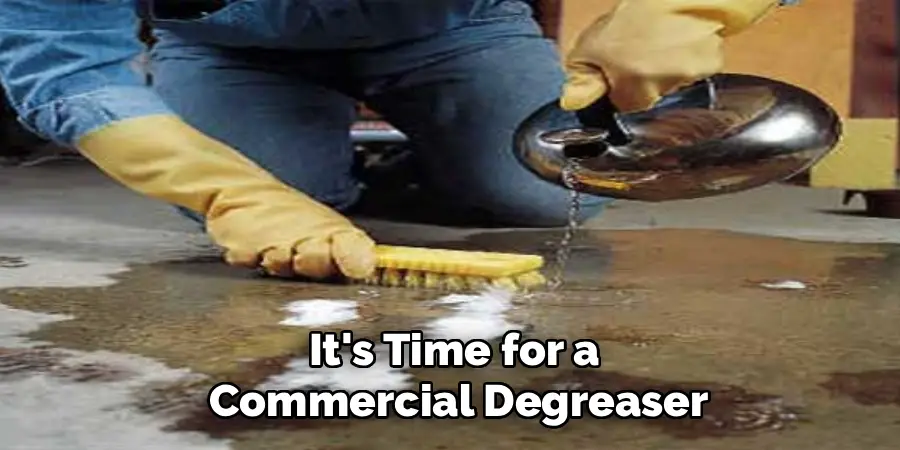
If the stain still lingers after your homemade efforts, it’s time for a commercial degreaser. These products are made to dissolve heavy grease and oil. Follow the instructions on the label carefully, and always wear gloves and goggles. Apply the degreaser, let it work for the recommended time, then scrub hard. For deeply embedded stains, you may need to repeat this step a couple of times.
Step 9: Rinse the Area Thoroughly
Once the stain is gone or greatly faded, rinse the whole area well. Use a garden hose to wash away all the soap, baking soda, vinegar, and loosened grease. Push the dirty water toward a drain or out of the garage with a push broom. Make sure no cleaning residue remains, as leftover soap can leave a slippery film or attract dirt later.
Step 10: Dry and Inspect
Let the floor air dry completely, or speed things up with old towels or a fan. Once dry, inspect your work. If a faint shadow of the stain remains, don’t worry. Repeat the steps that worked best until you’re happy with the result. For a finishing touch, consider sealing your concrete to protect against future stains and make cleanup easier down the road.
5 Things You Should Avoid
Even with the best intentions, a few common mistakes can slow you down or damage your floor. Steer clear of these:
- Using a wire brush on concrete. It can scratch and pit the surface, creating grooves where grease collects even faster. Stick to stiff nylon bristles instead.
- Letting cleaning solutions dry out. If soap or degreaser dries on the floor, it becomes harder to rinse and can leave a residue. Keep the area damp while you work.
- Ignoring safety gear. Strong degreasers can irritate skin and eyes. Always wear gloves and goggles, and make sure your garage has good airflow.
- Mixing cleaning chemicals. Never combine products like bleach and ammonia. The fumes can be dangerous. Use one method at a time and rinse between them.
- Giving up too soon. Deep stains often need more than one round of cleaning. Patience and repetition beat harsh scrubbing that could harm the concrete.
Conclusion
Grease stains on your garage floor might look permanent, but they don’t stand a chance against the right approach. By assessing the stain, soaking up fresh spills, and working through simple household solutions like dish soap, baking soda, and vinegar, you can lift even the most stubborn marks. When those methods fall short, a good commercial degreaser gets the job done.
Beyond the satisfaction of a spotless floor, you’re keeping your garage safer, protecting your concrete, and boosting the appeal of your home. Avoid the common mistakes, stay consistent with regular cleaning, and consider sealing your floor to make future spills far easier to handle.
With this guide on how to remove grease from garage floor in hand, you have everything you need to tackle grease head-on and keep your garage looking its best for years to come.

I am Rick. I grew up helping my dad with his handyman service. I learned a lot from him about how to fix things, and also about how to work hard and take care of business. These days, I’m still into fixing things- only now, I’m doing it for a living.
I’m always looking for new ways to help people grow and develop. That’s why I have created this blog to share all my experience and knowledge so
that I can help people who are interested in DIY repair.