
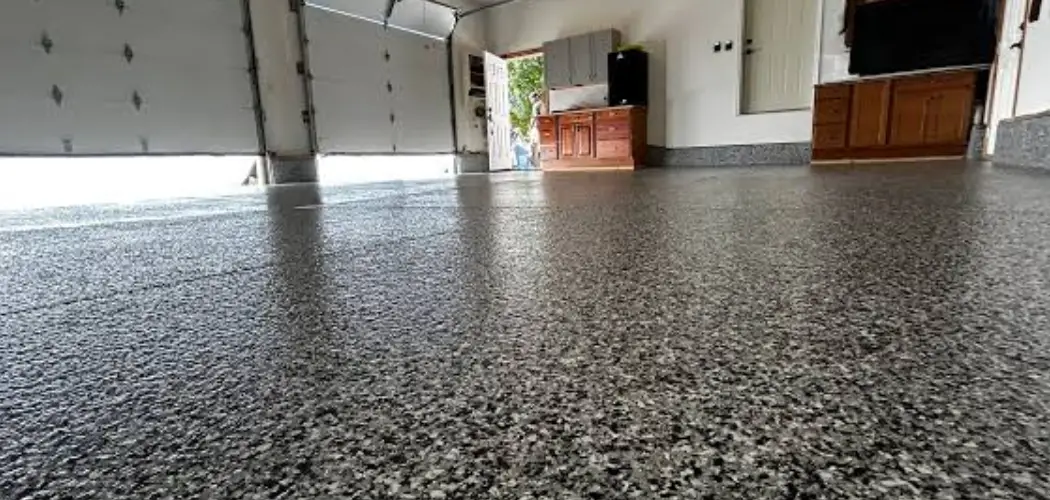

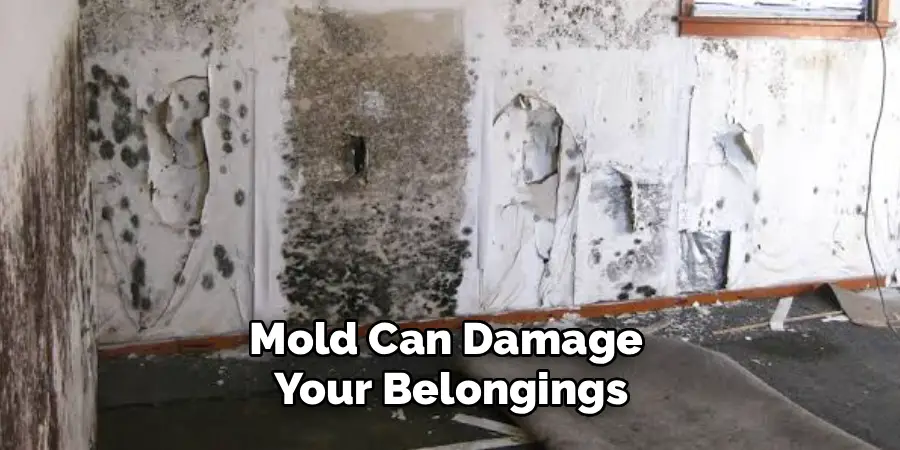
Your garage might be one of the most overlooked spaces in your home—but it’s also one of the most vulnerable to mold. Whether you use it for parking, storage, or as a workshop, garages are prone to moisture buildup, poor ventilation, and fluctuating temperatures. These conditions create the perfect breeding ground for mold and mildew. Left unchecked, mold can damage your belongings, weaken structural materials, and even pose serious health risks to you and your family.
The good news? Preventing mold in your garage is entirely doable. With the right tools, habits, and know-how, you can keep your garage clean, dry, and mold-free all year long.
This guide on how to prevent mold in garage walks you through everything you need to know.
What Are the Benefits?
Taking steps to prevent mold in your garage offers a wide range of benefits that go beyond just keeping things clean.
- Protects Your Health: Mold spores can trigger allergies, respiratory issues, and other health problems. A mold-free garage means cleaner air for you and your family.
- Preserves Your Belongings: Mold can ruin furniture, clothing, tools, and other stored items. Prevention saves you from costly replacements.
- Maintains Structural Integrity: Mold feeds on organic materials like wood and drywall. Keeping it at bay protects your garage’s structure from long-term damage.
- Boosts Property Value: A clean, well-maintained garage adds to your home’s overall value and appeal.
- Saves Money: Addressing mold after it spreads can be expensive. Prevention is far cheaper than remediation.
- Reduces Odors: Mold and mildew produce musty smells. A dry, ventilated garage stays fresher and more pleasant to use.
What Will You Need?
Before you start, gather the supplies and tools that will help you tackle mold prevention effectively.
- Dehumidifier – To reduce moisture levels in the air
- Exhaust fan or ventilation system – To improve airflow
- Waterproof sealant or epoxy floor paint – To seal concrete floors and walls
- Caulking gun and caulk – To seal gaps around windows, doors, and pipes
- Mold-resistant paint – For walls and ceilings
- Moisture meter – To monitor humidity levels
- Weatherstripping – To seal gaps under garage doors
- Storage bins with lids – To keep items off the floor and away from moisture
- Cleaning supplies – Including a mold-killing solution (white vinegar, baking soda, or commercial mold cleaner)
- Protective gear – Gloves, goggles, and a mask for safe cleaning
10 Easy Steps on How to Prevent Mold in Garage
Step 1: Control Humidity Levels
Humidity is the number one cause of mold growth. The ideal indoor humidity level is between 30% and 50%. Use a moisture meter or hygrometer to monitor levels in your garage. If it reads above 60%, you have a problem. Invest in a quality dehumidifier and run it regularly, especially during humid summer months. Empty the water reservoir frequently and keep the unit clean for maximum efficiency.
Step 2: Improve Ventilation
Poor airflow traps moisture and allows mold to thrive. Make sure your garage has adequate ventilation by installing exhaust fans, adding vents, or simply cracking a window when weather allows. If your garage is attached to your home, ensure the connecting door has proper seals to prevent mold spores from entering your living space. Good airflow keeps surfaces dry and discourages mold growth.
Step 3: Seal Cracks and Gaps
Water can sneak into your garage through tiny cracks in walls, floors, and around windows and doors. Inspect your garage thoroughly and use caulk or waterproof sealant to fill any gaps you find. Pay special attention to the base of walls, window frames, and the area around utility pipes. Sealing these entry points prevents moisture from accumulating inside.
Step 4: Waterproof Your Floors and Walls
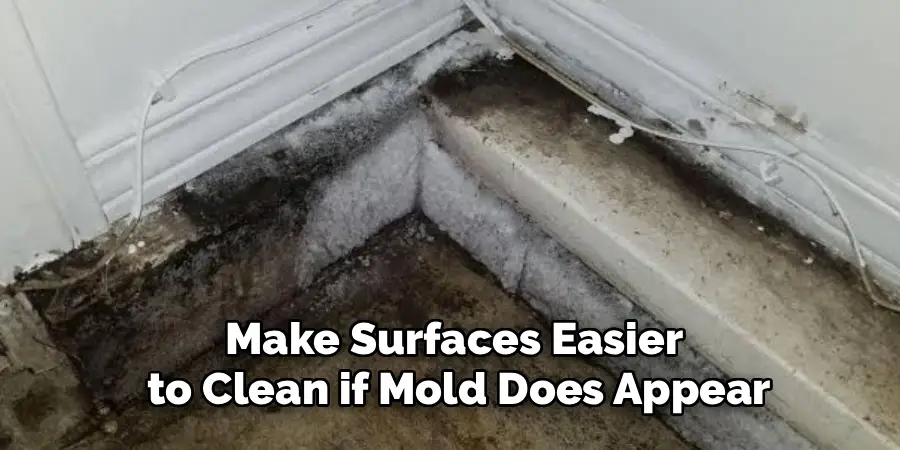
Concrete is porous, meaning it absorbs moisture easily. Apply a waterproof epoxy coating or concrete sealant to your garage floor to create a moisture barrier. For walls, consider using mold-resistant paint that contains antimicrobial agents. These products add an extra layer of protection and Make Surfaces Easier
to Clean if Mold Does A
.
Step 5: Fix Leaks Immediately
A leaky roof, pipe, or window can introduce significant moisture into your garage. Inspect your garage regularly for signs of water intrusion—stained ceilings, damp spots on walls, or puddles on the floor. Fix any leaks as soon as you find them. Delaying repairs gives water time to soak into materials and create ideal mold conditions.
Step 6: Keep the Garage Clean and Clutter-Free
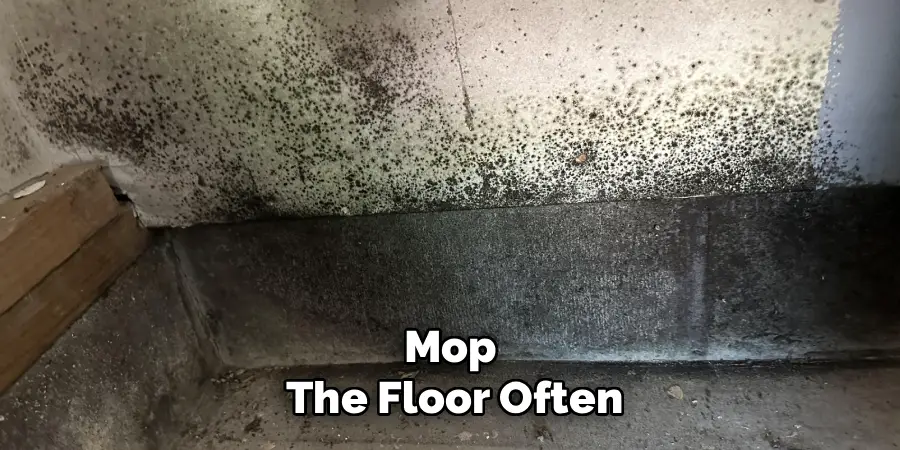
Clutter creates hidden spaces where mold can grow undetected. Old cardboard boxes, damp clothing, and piles of organic debris are especially attractive to mold. Declutter your garage regularly and dispose of items you no longer need. Sweep and mop the floor often, and wipe down shelves and surfaces to remove dust and moisture.
Step 7: Store Items Properly
How you store things matters. Avoid placing items directly on the concrete floor, as moisture can seep up from below. Use shelving units to keep belongings elevated, and opt for plastic storage bins with tight-fitting lids instead of cardboard boxes. Cardboard absorbs moisture quickly and is a favorite food source for mold. Proper storage protects your belongings and reduces mold risk.
Step 8: Dry Wet Items Before Bringing Them Inside
Never bring wet or damp items into your garage without drying them first. This includes wet umbrellas, rain gear, sports equipment, and even vehicles with snow or water dripping from them. Allow items to dry outside or in a ventilated space before storing them. Standing water from vehicles can contribute significantly to garage humidity, especially in winter months.
Step 9: Install Weatherstripping on the Garage Door
The gap under your garage door is a common entry point for rainwater and outdoor humidity. Install weatherstripping along the bottom and sides of the garage door to create a tight seal. This simple fix can make a big difference in keeping moisture out. Check the weatherstripping periodically and replace it when it shows signs of wear.
Step 10: Inspect and Maintain Regularly
Prevention is an ongoing process, not a one-time task. Set a schedule to inspect your garage at least twice a year—once in spring and once in fall. Look for signs of moisture, check your dehumidifier, inspect seals and caulking, and clean any areas that appear damp. Early detection makes a huge difference. Catching a small moisture issue before it becomes a mold problem saves you significant time and money.
5 Things You Should Avoid
Even with the best intentions, certain habits can sabotage your mold prevention efforts. Here’s what to steer clear of:
- Ignoring Small Leaks: A tiny drip might seem harmless, but even minor water intrusion can lead to mold growth within 24 to 48 hours. Never put off repairs.
- Storing Wet or Damp Materials: Leaving wet cardboard, wood, or fabric in your garage is essentially an open invitation for mold. Always dry items thoroughly before storage.
- Blocking Air Vents: It might be tempting to cover vents during cold weather, but blocking airflow traps humidity inside. Keep vents clear to maintain proper circulation.
- Using Cardboard Boxes for Long-term Storage: Cardboard is highly absorbent and breaks down quickly in moist environments. Switch to sealed plastic containers instead.
- Skipping Regular Inspections: Out of sight, out of mind doesn’t work with mold. Skipping routine checks allows problems to develop undetected until they become much harder—and more expensive—to fix.
Frequently Asked Questions
Q1: How Do I Know if There’s Mold in My Garage?
The most obvious sign of mold is a visible fuzzy or discolored growth on walls, floors, or stored items. It can appear black, green, white, or gray. You might also notice a persistent musty or earthy odor, even if you can’t see anything. Unexplained allergy symptoms like sneezing, coughing, or itchy eyes when spending time in the garage can also indicate mold presence. If you suspect mold but can’t locate it, check hidden areas like behind shelving units, under workbenches, and around plumbing fixtures. A professional mold inspection can confirm the issue if you’re unsure.
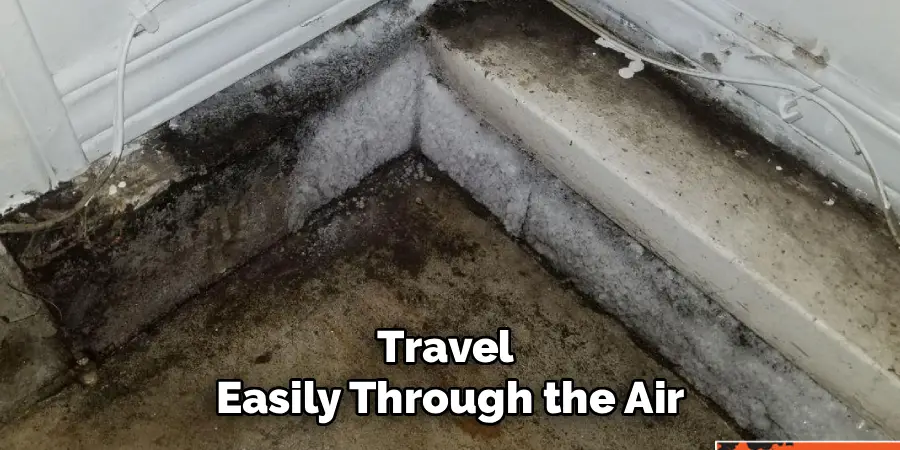
Q2: Can Mold in the Garage Affect My Home’s Indoor Air Quality?
Yes, it absolutely can—especially if your garage is attached to your home. Mold spores are microscopic and travel easily through the air. If there’s a door connecting your garage to your living space, spores can drift inside and reduce your home’s air quality. This can worsen respiratory conditions like asthma and allergies. To minimize this risk, always ensure the connecting door is well-sealed, use a dehumidifier in the garage, and address any mold growth promptly. Good garage ventilation also helps prevent spores from building up to dangerous levels.
Q3: What’s the Best Way to Remove Existing Mold Before Starting Prevention Steps?
Before you can prevent mold from returning, you need to eliminate what’s already there. For small areas, a solution of white vinegar or a mixture of water and baking soda works well—spray it on the affected surface, let it sit for at least an hour, then scrub and dry thoroughly. For larger infestations or mold on porous materials like drywall or wood, it may be best to consult a professional, as surface cleaning alone may not be enough. Always wear protective gloves, goggles, and a mask during cleanup to avoid inhaling spores or irritating your skin.
Conclusion
Preventing mold in your garage doesn’t have to be complicated or overwhelming. It comes down to managing moisture, maintaining airflow, and staying on top of regular upkeep.
By following the 10 steps outlined in this guide on how to prevent mold in garage —controlling humidity, improving ventilation, sealing gaps, waterproofing surfaces, fixing leaks, keeping things clean and dry, and storing items properly—you’re setting your garage up for long-term success. Avoiding common mistakes like ignoring leaks or using cardboard storage makes your efforts even more effective. A mold-free garage is healthier, more functional, and better for your home’s overall value.
Start with the basics, stay consistent, and you’ll enjoy a cleaner, safer garage for years to come.

I am Rick. I grew up helping my dad with his handyman service. I learned a lot from him about how to fix things, and also about how to work hard and take care of business. These days, I’m still into fixing things- only now, I’m doing it for a living.
I’m always looking for new ways to help people grow and develop. That’s why I have created this blog to share all my experience and knowledge so
that I can help people who are interested in DIY repair.