
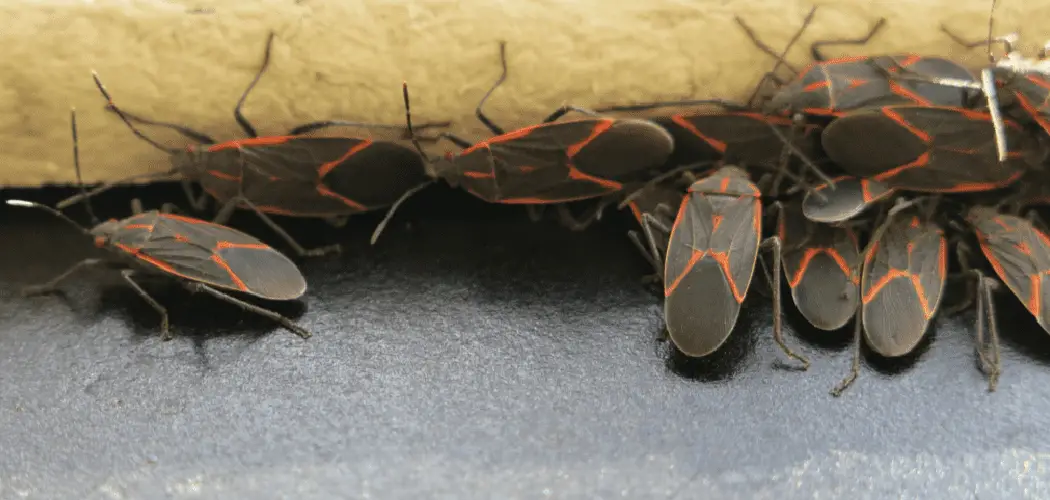
If you’ve noticed clusters of black-and-red insects gathering around your garage door or sneaking through gaps in the walls, you’re dealing with boxelder bugs. These small, flat insects are drawn to warm surfaces during the fall and will squeeze into any gap they can find to escape the cold — including your garage.
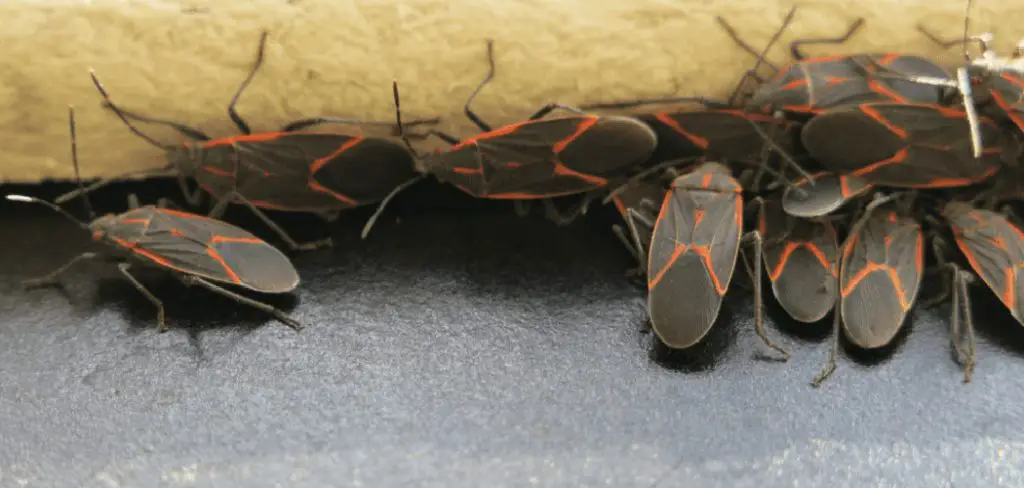
The reassuring news is that knowing how to get rid of boxelder bugs in garage spaces doesn’t require toxic chemicals or expensive pest control visits in most cases. They don’t bite, they don’t chew through wood or wiring, and they don’t reproduce indoors. But they do arrive in large numbers, and they can stain surfaces if crushed. This guide walks you through understanding their behavior, removing the ones already inside, and keeping them from coming back season after season.
Why Boxelder Bugs In Garage Matters
Boxelder bugs are primarily a nuisance pest, but that doesn’t mean they’re harmless to ignore. When disturbed or crushed, they release a reddish-orange liquid that stains walls, flooring, and stored items. A large infestation can make a garage unusable for storage or workspace.
More importantly, boxelder bugs that enter your garage are usually looking for access points into your living space. Cracks around door frames, gaps around pipes, and unsealed utility openings become pathways from the garage into your home. Addressing the problem at the garage level is easier and less disruptive than dealing with an indoor infestation later.
Step-By-Step Guide To How To Get Rid Of Boxelder Bugs In Garage
Step 1: Learn To Identify Boxelder Bugs
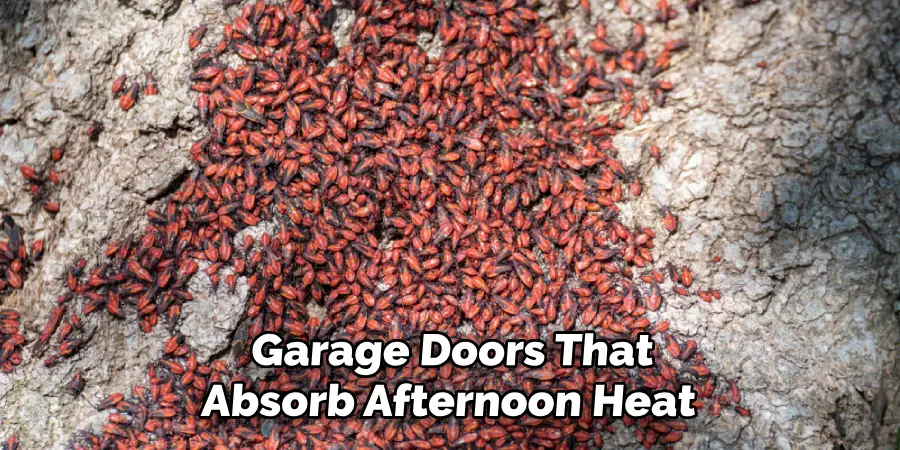
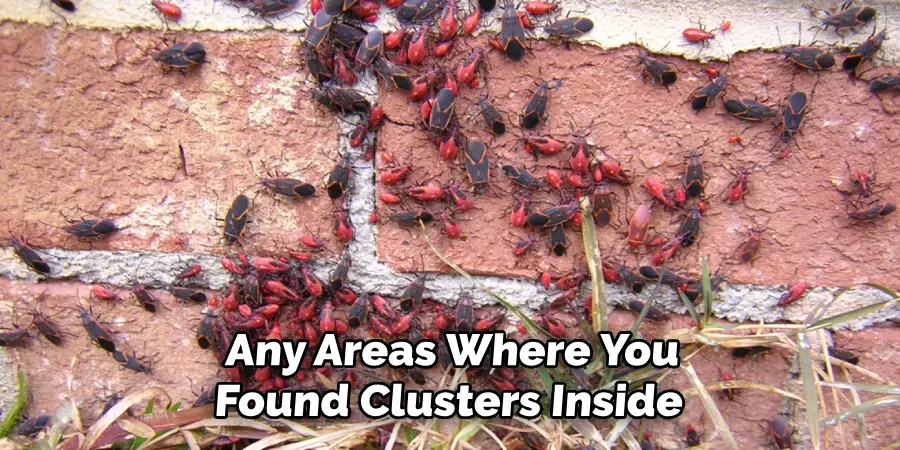
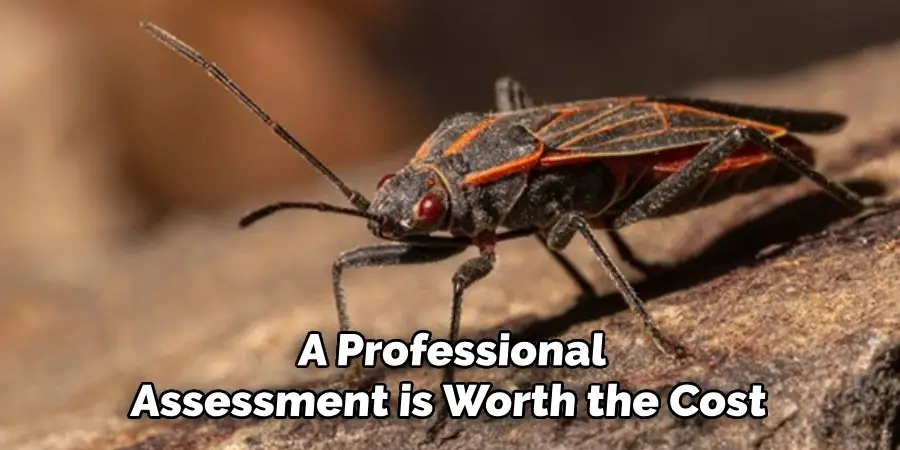
Boxelder bugs are about half an inch long, dark brown or black, with three distinctive red lines along the area behind their head and red veining on their wings. They’re flat, oval-shaped, and move in large, visible groups on warm surfaces — especially south- and west-facing walls and garage doors that absorb afternoon heat.
They become most active in late summer through early fall as temperatures drop and they seek overwintering sites. Understanding this timing matters because prevention is far more effective before they aggregate in large numbers. If you see a handful in September, treating now saves you from dealing with hundreds in October.
Step 2: Inspect Your Garage For Entry Points
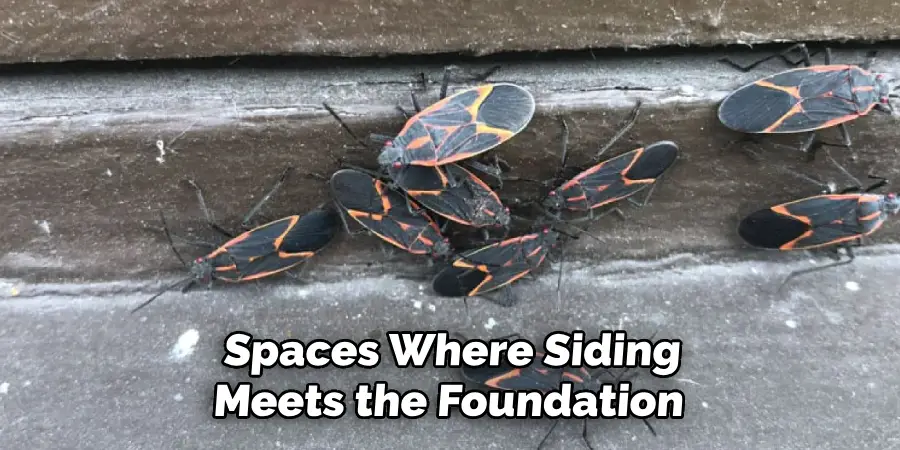
Walk around the exterior of your garage and look for any gap larger than a pencil eraser. Common problem areas include the bottom seal on the garage door, cracks in the door frame, gaps around conduit or plumbing that enters the wall, and spaces where siding meets the foundation. Inside, look along the ceiling perimeter, around windows, and where walls meet the floor.
Mark or photograph every gap you find before sealing, so you don’t miss any during the repair step. Boxelder bugs can compress their bodies significantly and don’t need a large opening to get through. A thorough inspection now forms the foundation of your entire control strategy — you can’t seal what you haven’t found.
Step 3: Vacuum Up Any Bugs Already Inside Instead Of Crushing Them
Sweeping or crushing boxelder bugs indoors is a mistake. When crushed, they release a reddish liquid that stains concrete, wood, and fabric — and the odor can attract other insects. Vacuuming is by far the cleaner and safer removal method for bugs already inside your garage.
Use a standard vacuum with a bag or a shop vac, and empty it immediately outdoors into a sealed bag to prevent any living bugs from escaping back inside. Do this on a cool morning when the bugs are sluggish and clustered rather than active. Repeat as needed over several days, as new bugs may continue entering while you work through the sealing steps.
Step 4: Clean Surfaces To Remove Pheromone Trails
Boxelder bugs communicate with pheromones that signal safe overwintering locations to others. If they’ve been congregating on your garage walls, door frame, or floor, those chemical traces can draw more bugs to the same spots in subsequent seasons. Cleaning those surfaces disrupts the signal.
Wipe down affected areas with soapy water — dish soap mixed with warm water works well. Pay particular attention to the exterior garage door surface, the surrounding trim, and any areas where you found clusters inside. You don’t need specialized products for this step. Consistent cleaning after removal reduces the likelihood of the same spots becoming magnets again next fall.
Step 5: Seal Cracks, Gaps, And Entry Points Permanently
With the bugs removed and surfaces cleaned, it’s time to close off the entry points you identified in Step 2. Use weatherstripping to replace or repair the bottom seal on the garage door — this is typically the largest single entry point. Apply exterior-grade caulk to cracks along door frames, siding gaps, and foundation edges.
For gaps around pipes or conduit entering the garage wall, expanding foam sealant provides a flexible, long-lasting barrier. Focus on creating a continuous seal rather than patching isolated spots. Boxelder bugs are persistent, and a thorough sealing job — done once, done correctly — dramatically reduces entry in future seasons without any ongoing chemical use.
Step 6: Reducing What Attracts Them
Beyond cracks and warmth, garages attract boxelder bugs because they tend to offer clutter, dark hiding spaces, and undisturbed corners. Reducing clutter — particularly stacked cardboard, unused fabric items, and piled firewood stored near the garage wall — removes the microhabitats where bugs settle in.
Check whether there are boxelder trees or silver maple trees near your garage. These are the bugs’ primary food source, and proximity to these trees is the single biggest predictor of infestation severity. You can’t always remove a mature tree, but trimming branches away from the garage roofline and cleaning up fallen seed pods in fall reduces the local population before it migrates to your walls.
Step 7: Consider A Perimeter Treatment
For garages with heavy, recurring infestations, an exterior perimeter insecticide applied by a licensed pest control professional can reduce the number of bugs that reach your walls in the first place. These treatments are applied around the base of the garage exterior and along the door frame area in late summer before the bugs begin clustering.
Over-the-counter perimeter sprays are available, but their effectiveness varies and they require reapplication. If you’ve sealed entry points thoroughly and still deal with large numbers each fall, a professional assessment is worth the cost. A pest control technician can also confirm you’re dealing with boxelder bugs rather than a different species that may require a different approach entirely.
Frequently Asked Questions
Are Boxelder Bugs Dangerous To Humans Or Pets?
Boxelder bugs are not dangerous to humans or pets. They do not bite, sting, or carry disease. Their primary nuisance is their numbers and the reddish stain they leave when crushed. Pets may occasionally eat them without harm, though the bugs’ defensive liquid can cause mild digestive discomfort in some animals.
Why Do Boxelder Bugs Keep Coming Back Every Year?
Boxelder bugs return annually because they follow the same instinct each fall: seek warm surfaces and sheltered overwintering spots near their food source. If boxelder or maple trees grow near your garage, the cycle will repeat. Sealing entry points and cleaning pheromone trails each season is the most reliable way to reduce their return.
What Time Of Year Should I Start Treating For Boxelder Bugs?
Late summer — typically August through September — is the best time to act. This is when boxelder bugs begin aggregating on warm surfaces before temperatures drop. Sealing gaps and applying perimeter treatments before they cluster gives you a significant advantage. Waiting until they’ve already entered in large numbers makes removal harder and less complete.
Can Boxelder Bugs Damage My Garage Or Belongings?
Boxelder bugs do not chew through wood, fabric, or insulation the way carpenter ants or rodents do. Their main damage risk is the reddish stain from their defensive secretion, which can mark walls, cardboard boxes, and stored fabric items. Removing them promptly with a vacuum and storing items in sealed plastic bins prevents most staining issues.
Do Boxelder Bug Sprays From Hardware Stores Actually Work?
Over-the-counter sprays can kill bugs on contact but have limited long-term effectiveness. They don’t prevent new bugs from entering, and many bugs will move around treated areas rather than crossing them. Sprays work best as a short-term supplement to sealing and cleaning — not as a standalone solution. For persistent problems, a licensed pest control professional offers more targeted and durable results.
Conclusion
Boxelder bugs are a manageable problem when you understand what drives their behavior and address it systematically. They’re drawn to warmth, shelter, and proximity to their food source — and your garage offers all three if left unsealed and unattended each fall. The most effective approach combines vacuuming existing bugs without crushing them, cleaning pheromone trails from surfaces, sealing every gap you can find, and reducing the clutter and tree debris that make your garage attractive in the first place.
Knowing how to get rid of boxelder bugs in garage spaces is ultimately about consistency over a single dramatic fix. No one step solves the problem permanently, but each step you take reduces the next season’s pressure. Start your inspection before the fall aggregation begins, seal thoroughly, and clean up after yourself — and you’ll have your garage back without turning to harsh chemicals or waiting for the problem to solve itself.

I am Rick. I grew up helping my dad with his handyman service. I learned a lot from him about how to fix things, and also about how to work hard and take care of business. These days, I’m still into fixing things- only now, I’m doing it for a living.
I’m always looking for new ways to help people grow and develop. That’s why I have created this blog to share all my experience and knowledge so
that I can help people who are interested in DIY repair.