
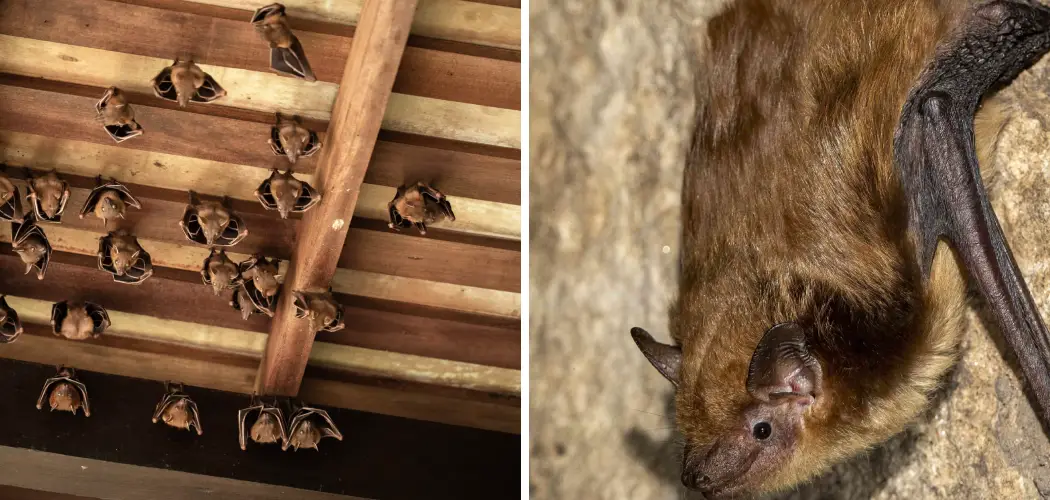
Discovering a bat flitting frantically around your garage can be an alarming experience. The sudden, erratic movement in a space usually reserved for cars and storage can be startling, and for many, it triggers an immediate sense of panic.
These nocturnal creatures often enter through the smallest of openings or simply fly in when the door is left open at dusk, becoming disoriented and trapped. While their presence can be unnerving, it is important to remain calm and remember that bats are ecologically valuable animals. A single bat can consume thousands of insects in one night, making them a natural and effective form of pest control.
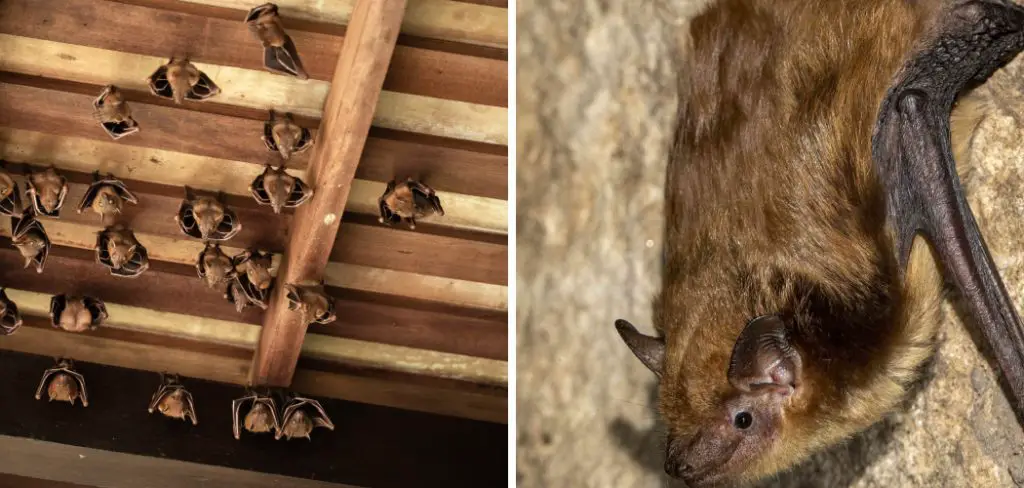
This guide is designed to provide safe, humane, and effective methods to help the lost creature find its way out of your garage without causing harm to it or to you. Learning how to get bat out of garage space correctly is a matter of protecting both yourself and the animal, ensuring a stress-free resolution.
We will cover why bats enter garages in the first place, provide step-by-step removal techniques for different scenarios, and, most importantly, explain how to prevent future visits from these fascinating but unwelcome houseguests.
Understanding Bat Behavior: Why Is There a Bat in My Garage?
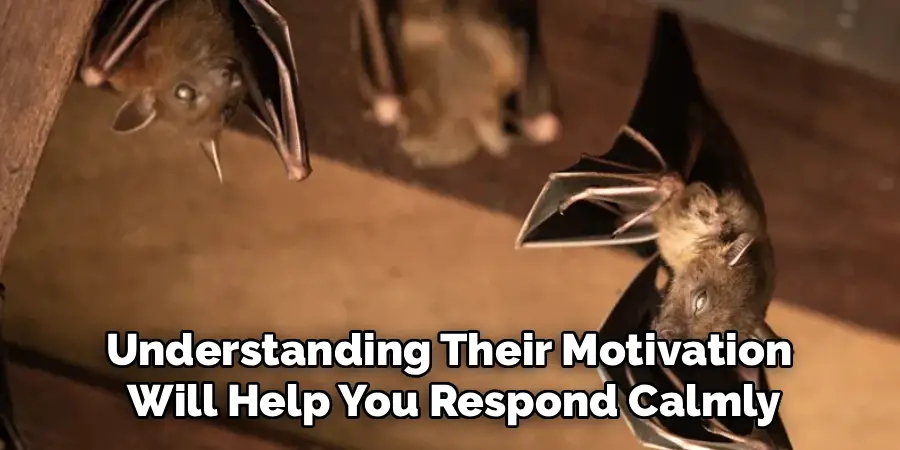
Before you take any action, it helps to understand why the bat is in your garage. Bats do not seek out human-occupied spaces to be aggressive; their presence is almost always accidental or a search for a suitable roost. Understanding their motivation will help you respond calmly and effectively.
A Simple Wrong Turn
In the vast majority of cases, a single bat found in a garage is there by mistake. Bats are most active at dusk and dawn, which is often the same time homeowners are opening their garage doors to leave for work or return home. The bat was likely hunting for insects near your home, saw the large opening, and flew inside. Once the door closed, it became trapped and disoriented by the unfamiliar and enclosed space. Its primary goal is the same as yours: to get back outside.
Seeking a Roosting Spot
Garages can offer an environment that mimics a bat’s natural habitat. The dark, quiet, and sheltered space can feel like a small cave or a hollow tree, providing an ideal place to roost or rest during the daylight hours. If a bat finds a comfortable, undisturbed spot, it may see your garage as a safe haven from predators and the elements. This is more likely if the exterior of your home lacks natural roosting alternatives.
Signs of a Larger Colony
It is crucial to distinguish between a single, lost bat and the signs of a larger maternity colony. A single bat is a one-time problem, but a colony is a much more complex situation that requires professional intervention.
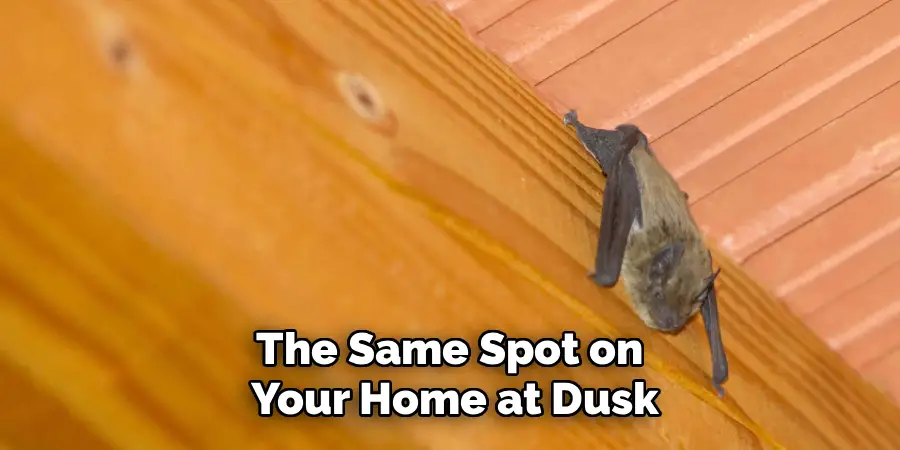
Signs of a colony include finding piles of guano (bat droppings, which look like small, dark pellets that crumble into shiny insect parts) in one area, hearing persistent squeaking or rustling sounds coming from a wall or ceiling, or seeing multiple bats emerging from the same spot on your home at dusk. This guide focuses on handling a single lost bat; a colony should only be dealt with by a licensed wildlife control expert.
Health and Safety First: What You Need to Know
While bats are not aggressive, they are wild animals, and it is essential to prioritize your health and safety when dealing with one. Taking a few simple precautions can prevent any potential health risks and ensure the situation is handled responsibly.
The Importance of Not Handling Bats
The most important rule is to never, under any circumstances, touch a bat with your bare hands. Like all mammals, bats can carry rabies. While the percentage of rabid bats is very small (less than 1%), the risk is not worth taking. A frightened or injured bat may bite in self-defense if it feels threatened. If you absolutely must handle a bat (for example, to contain it), you must wear thick, protective leather gloves that a bite cannot penetrate.
Recognizing Signs of a Sick Bat
A healthy bat will typically try to hide or fly away from you. Its instinct is to avoid contact with humans. A bat that is on the ground, unable to fly, appears sluggish or paralyzed, or is acting unusually aggressive, may be sick or injured.
If you encounter a bat exhibiting these signs, do not attempt to handle it yourself. Your best course of action is to contact your local animal control or a public health office for guidance. They have the training and equipment to handle the situation safely.
Preparing the Garage for the Bat’s Exit
Setting the stage properly is the key to a successful, passive, and humane removal. The goal is to make it as easy as possible for the bat to find its own way out without causing it additional stress.
Removing Pets and People
The first step is to clear the garage of any potential stressors or hazards. Move any pets, especially cats and dogs, out of the garage and close the door leading into the house. A curious cat or dog could harm the bat or be bitten in the process. Keep children away from the area to minimize noise and commotion and to prevent any accidental contact with the bat.
Turning Off Lights and Reducing Noise
Bright artificial lights and loud noises can further disorient and frighten a bat, making it more difficult for it to navigate. Turn off all the lights inside the garage. This will not only calm the bat but will also make the natural light from an open door a more obvious exit. Eliminate any sounds from radios, power tools, or other equipment. A quiet, dark environment will help the bat rely on its natural echolocation to find the way out.
How to Get Bat Out of Garage: The Passive Evening Exit Method
This is the simplest, safest, and most effective method for helping a lost bat leave your garage. It requires no direct contact with the animal and leverages the bat’s natural nocturnal behavior. It should always be your first course of action.
Step 1: Wait Until Dusk
Bats are nocturnal creatures. They are most active after sunset when they naturally emerge to hunt for insects. Attempting to force a bat out during the day is usually ineffective and stressful for the animal, as it will be trying to sleep. The best time to begin this process is about 30 minutes after the sun has fully set. This timing aligns with the bat’s instinct to become active and seek an exit to find food.
Step 2: Open All Garage Doors and Windows
Your goal is to create the largest and most obvious exit path possible. Fully open the main garage door. If you have any other access doors or windows in the garage that lead directly outside, open them as wide as possible as well. The more openings you provide, the easier it will be for the bat to locate an escape route.
Step 3: Close Interior Access Doors
This is a critically important step. Before you open the exterior doors, make sure the door that leads from your garage into your house is securely closed and, if possible, place a towel at the bottom to block the gap. This prevents the bat from making a wrong turn and accidentally flying from the garage into your main living space, which would create a much more complicated and stressful situation.
Step 4: Leave the Area and Be Patient
Once the exits are open and the interior door is secure, turn off any exterior lights near the garage door that could confuse the bat. Then, simply leave the garage and wait quietly. The bat will use its sophisticated echolocation to map the room and will quickly detect the airflow and open space of the doorway. In most cases, the bat will find its own way out within an hour, often much sooner. Resist the temptation to go back in and check on it, as your presence will only disrupt the process.
Step 5: Confirm the Bat Has Left
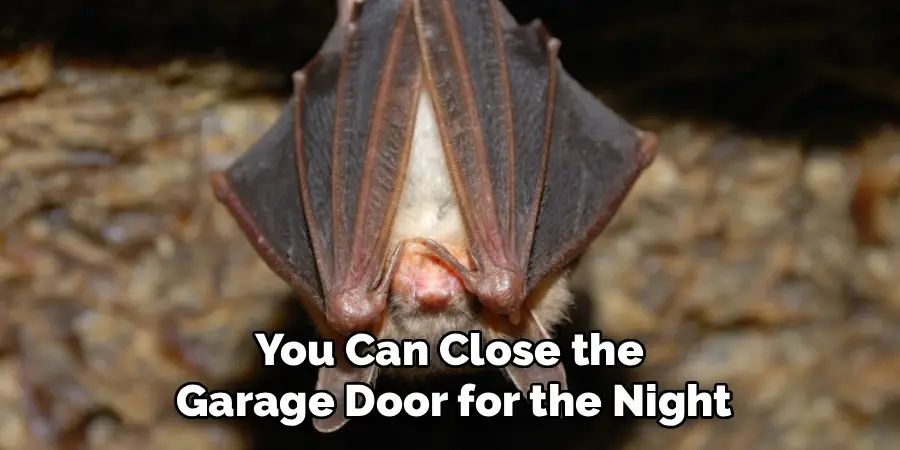
After waiting for at least an hour, you can perform a quick check to ensure your guest has departed. Briefly turn on the garage lights and do a quick but thorough visual inspection of the corners, ceiling, and any high shelves. Once you are confident the bat is gone, you can close the garage door for the night.
The Active Containment Method (For Daytime or Stubborn Bats)
Sometimes, the passive method isn’t an option. The bat may have landed in an accessible spot during the day, or it may be unable to find the exit on its own. In these cases, you can use the active containment method, but only if you can do so safely.
When to Use This Method
This technique should be reserved for situations where the bat has landed on a wall or floor and is stationary and accessible. It is also an option if you need the bat removed during the daytime and cannot wait until dusk. Remember, never attempt this method if the bat is in a high, hard-to-reach spot or if you do not have thick protective gloves.
Capturing the Bat Safely
First, put on a pair of thick leather or heavy-duty work gloves. Find a small box or an empty coffee can and a stiff piece of cardboard. Approach the bat slowly and calmly. Place the container over the bat, trapping it against the wall or floor. Then, carefully slide the piece of cardboard between the surface and the container’s opening, fully enclosing the bat inside. Do not use a net, towel, or blanket, as the bat’s delicate claws and wing bones can easily become tangled and injured.
Releasing the Bat
Once the bat is securely contained, you can release it. The best practice is to wait until dusk. Take the container outside and place it on its side at the base of a tree or near a bush, away from open areas where it might be vulnerable to predators. Gently remove the cardboard and the lid, and then walk away. The bat will eventually crawl out and fly off when it feels safe and is ready.

What Not to Do: Common Mistakes to Avoid
In a moment of panic, it is easy to react in ways that are ineffective, dangerous, or harmful to the bat. Here are the most common mistakes you should avoid.
Do Not Swing at the Bat
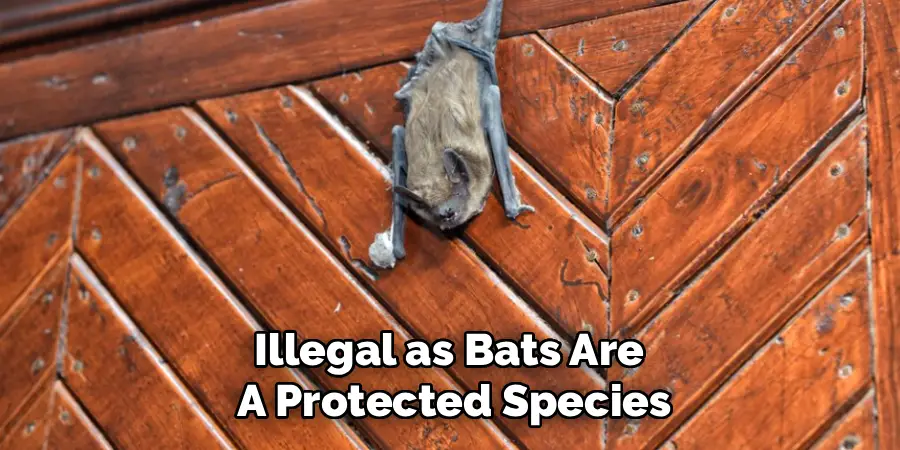
Never try to hit a flying bat with a broom, tennis racket, or any other object. You are highly unlikely to hit it, and swinging objects will only cause the bat to panic and fly more erratically. Furthermore, you risk seriously injuring the bat, which is inhumane and, in many places, illegal as bats are a protected species.
Do not Use Sprays or Repellents
Do not waste your money on mothballs, ammonia, or commercially available ultrasonic or chemical repellents. These are generally ineffective for dealing with a single bat encounter and can introduce harmful chemicals into your home. The most effective repellent is a clean, sealed environment that offers no food or shelter.
Preventing Future Bat Intruders
Once the bat is gone, your next priority is to ensure it doesn’t happen again. A thorough inspection and some simple preventative measures are the key to a long-term, bat-free garage.
Inspecting for Entry Points
Take a flashlight and conduct a meticulous inspection of your garage’s exterior. Bats can squeeze through openings as small as a dime, so you need to be thorough. Look for gaps near the roofline, where walls meet the eaves. Check for spaces around areas where utility lines, pipes, or vents enter the garage. Inspect the seals around windows and look for any cracks in the foundation or siding.
Sealing Cracks and Gaps
Once you have identified potential entry points, you must seal them. Use high-quality silicone caulk to fill smaller cracks and gaps. For larger holes, expanding foam sealant works well. Ensure that any vents leading into the garage are covered with a fine, sturdy mesh screen that allows for airflow but blocks pests. Most importantly, do this sealing work only after you are certain that no bats are currently roosting inside.
When to Call a Professional
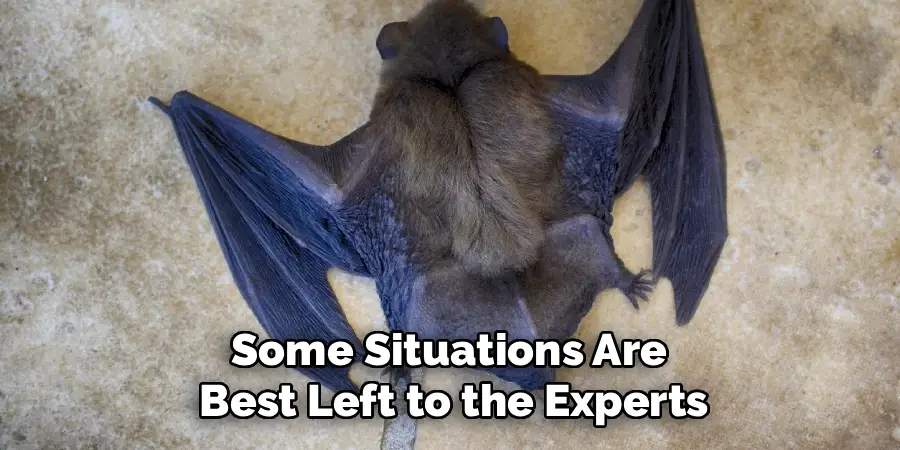
While handling a single lost bat is a manageable DIY task, some situations are best left to the experts.
Discovering a Colony
As mentioned earlier, if you find evidence of a colony—such as multiple bats or a significant accumulation of guano—you must call a licensed and insured wildlife control expert who specializes in humane bat exclusion. They have the expertise to install one-way doors that allow the bats to leave but not re-enter, and they know how to do so legally and without harming the colony, which is especially important during maternity season when flightless young may be present.
A Bat in Your Main Living Area
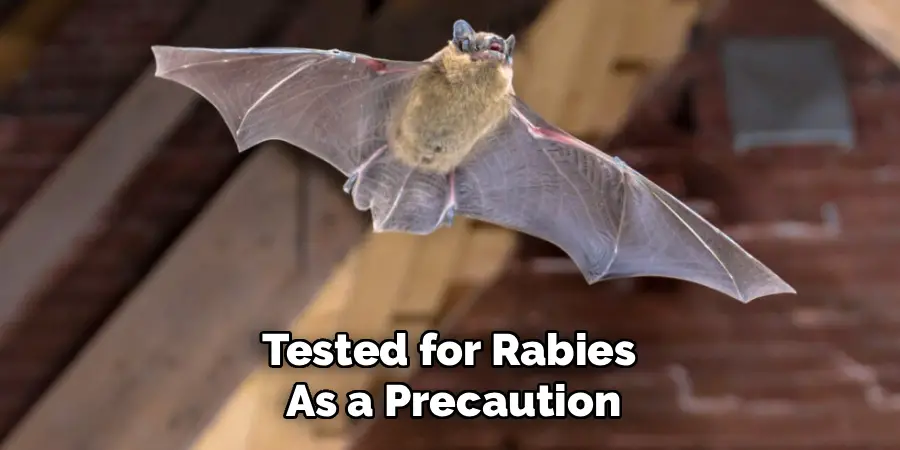
If a bat gets into the main living area of your house, especially in a room where someone was sleeping or where an unattended child was present, it is wise to call a professional. Public health departments often recommend that in such situations, the bat should be captured and tested for rabies as a precaution, even if a bite is not suspected. A wildlife expert can help you safely capture the animal for this purpose.
Conclusion
Finding a bat in your garage can be an unsettling discovery, but it is typically a simple problem with a calm and humane solution. By understanding that the bat is likely just lost and scared, you can react thoughtfully instead of with panic.
The passive exit method—opening the doors at dusk and letting the bat leave on its own—is by far the safest and most effective approach for everyone involved. By following up with a thorough inspection and sealing any potential entry points, you can prevent future unwanted visitors.
Knowing how to get bat out of garage safely and humanely is about creating a clean, sealed, and unattractive environment that encourages these beneficial animals to stay outside where they belong. This ensures the protection of a valuable species while maintaining a secure, wildlife-free space for you and your family to enjoy.

I am Rick. I grew up helping my dad with his handyman service. I learned a lot from him about how to fix things, and also about how to work hard and take care of business. These days, I’m still into fixing things- only now, I’m doing it for a living.
I’m always looking for new ways to help people grow and develop. That’s why I have created this blog to share all my experience and knowledge so
that I can help people who are interested in DIY repair.