

For many homeowners, the garage is more than just a place to park the car. It often becomes a default storage unit, a chaotic workshop, or a cluttered space that falls short of its potential. Transforming this area from disorganized to efficient is a rewarding project that adds significant value and utility to your home. Learning how to design a functional garage is about creating a space that works for you and your family’s specific needs.
Whether you envision a pristine workshop, an organized storage hub, a home gym, or simply a clean space to park your vehicles, a thoughtful design is the key to unlocking its true purpose. This guide will provide a clear, step-by-step approach to help you reclaim your garage and create a versatile, organized, and truly useful extension of your home.

Why a Functional Garage Matters
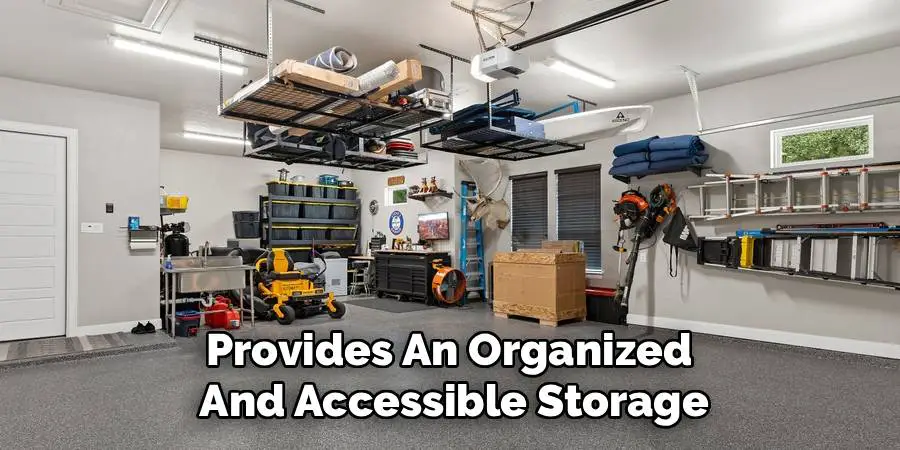
A well-designed garage offers far more than just a place for your car. It provides an organized and accessible storage solution, protecting your belongings from damage and making them easy to find. This reduces clutter inside your home, freeing up valuable living space. A functional design also enhances safety by keeping tools, chemicals, and tripping hazards properly stored and out of the way. Beyond storage, a thoughtfully arranged garage can become a multipurpose room—a dedicated space for hobbies, a home fitness area, or a clean and efficient workshop. This not only improves your day-to-day life but also boosts your property’s overall appeal and resale value, making it a smart investment for any homeowner.
Step-by-Step Guide on How to design a functional garage
Creating an efficient and organized garage is a manageable project when broken down into clear, actionable steps. Follow this guide to transform your space from cluttered to functional.
Step 1: Declutter and Clean Out the Space
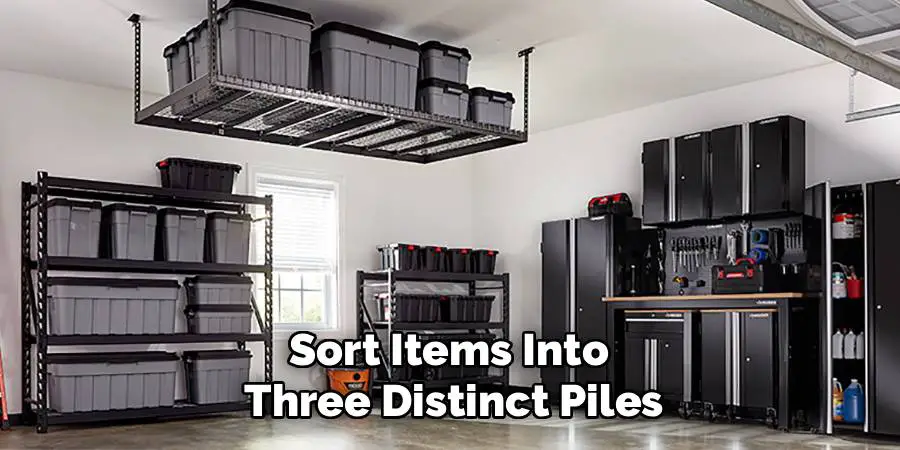
The first, most crucial step is to completely empty your garage. This may seem like a monumental task, but it is essential for a fresh start. Take everything out and sort items into three distinct piles: keep, donate/sell, and discard. Be ruthless in this process. If you haven’t used an item in over a year, it’s a good candidate for the donate or discard pile. This decluttering phase allows you to see the actual space you have to work with and ensures you are only planning for the items you truly need and want to keep.
Step 2: Define the Garage’s Primary Functions
Once the space is clear, define what you want your garage to do. Will it be primarily for parking vehicles? Do you need a dedicated workshop area for DIY projects? Is it meant to be a storage hub for seasonal decorations, sporting equipment, and lawn care tools? Perhaps you want to carve out a space for a home gym. Listing these functions will guide all your subsequent decisions, from the layout and flooring to the types of storage solutions you will need. A clear purpose prevents the space from becoming a disorganized catch-all in the future.
Step 3: Create a Detailed Layout Plan
With your functions defined, it’s time to create a layout. Measure the dimensions of your garage, including the locations of doors, windows, and electrical outlets. Sketch out a floor plan on paper or use a digital design tool. Designate specific zones for each activity you identified in the previous step. For example, allocate space for vehicle parking, a workbench area, a storage zone for bikes and large equipment, and a section for shelving units. Ensure there are clear pathways to move around safely and access everything without obstruction. This plan is your blueprint for success.
Step 4: Invest in Smart Vertical Storage
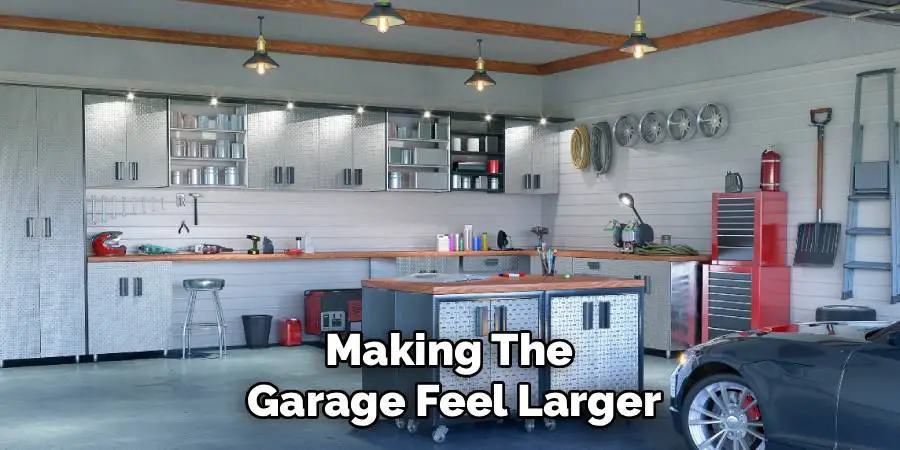
The key to a functional garage is to get items off the floor. Vertical storage is your best friend in this endeavor. Install heavy-duty shelving units, wall-mounted cabinets, or a slatwall panel system with hooks and baskets. These solutions use the often-underutilized wall space to store tools, bins, and equipment neatly. Overhead storage racks are perfect for long-term storage of bulky but lightweight items like holiday decorations or camping gear. Utilizing vertical space maximizes your floor area, making the garage feel larger and keeping it free of dangerous clutter.
Step 5: Choose the Right Flooring
Standard concrete garage floors are prone to staining, cracking, and collecting dust. Upgrading your flooring not only improves the look of the space but also makes it more durable and easier to clean. Epoxy floor coatings are a popular choice, providing a seamless, resilient, and chemical-resistant surface that comes in various colors. Interlocking floor tiles are another excellent option, as they are easy to install and can be replaced individually if damaged. A high-quality floor transforms the garage from a dusty, industrial space into a clean and polished part of your home. This is a key step in learning how to design a functional garage.
Step 6: Upgrade Your Lighting
Most garages are equipped with a single, dim light bulb that provides inadequate illumination. Proper lighting is crucial for both safety and functionality, especially if you plan to use the space as a workshop. Replace outdated fixtures with bright, energy-efficient LED shop lights that provide even, widespread light. Consider adding task lighting, such as under-cabinet lights above a workbench or portable work lights for specific projects. Good lighting makes the space more inviting, helps you find things easily, and reduces the risk of accidents when working with tools.
Step 7: Plan for Electrical Needs
Think about your electrical requirements based on the garage’s intended functions. Do you need extra outlets for power tools, a freezer, or a second refrigerator? Will you be charging an electric vehicle? Consider having an electrician install additional outlets, including GFCI (ground-fault circuit interrupter) outlets near any potential water sources. Placing outlets at workbench height can be incredibly convenient. Planning your electrical layout in advance ensures you have safe and accessible power exactly where you need it, avoiding the hassle and hazard of extension cords.
Step 8: Install a Workbench and Tool Storage
If a workshop is one of your desired functions, a dedicated workbench is a must. You can purchase a pre-made workbench or build one yourself to fit your specific space and needs. Pair it with an effective tool storage system. A pegboard or a magnetic tool holder mounted on the wall above the bench keeps frequently used hand tools visible and within easy reach. A rolling tool chest with drawers is perfect for organizing smaller items and can be moved around as needed. A well-organized workbench makes any project more enjoyable and efficient.

Frequently Asked Question
What Is the Best Way to Store Large Items Like Bikes and Ladders?
The best way to store large, awkward items is to get them off the floor by using the walls or ceiling. Heavy-duty wall-mounted hooks are perfect for hanging bicycles, ladders, and strollers vertically or horizontally. For even more space-saving, consider a ceiling-mounted pulley system, which allows you to easily hoist items up and out of the way. This keeps them secure and accessible without taking up valuable floor space needed for parking or walking.
How Can I Maximize Storage in a Small Garage?
In a small garage, maximizing vertical and overhead space is critical. Use tall, narrow shelving units to draw the eye upward and store more items in a smaller footprint. Install wall-to-wall slatwall or pegboard systems to hang tools, bins, and sporting equipment. Don’t forget the ceiling—overhead racks are invaluable for storing seasonal items you don’t need to access often. Using transparent storage bins also helps you quickly identify contents without having to pull them down.
What Type of Garage Flooring Is Easiest to Maintain?
Epoxy-coated floors are one of the easiest types to maintain. The non-porous, seamless surface resists stains from oil, gas, and other chemicals, making spills easy to wipe up. It also prevents concrete dust from kicking up. Regular sweeping and occasional mopping with a simple cleaning solution are all that’s needed to keep it looking new. Interlocking vinyl or plastic tiles are also very low-maintenance and have the added benefit of being replaceable if a single tile gets damaged.
Should I Insulate My Garage?
Insulating your garage is a great idea, especially if it is attached to your home or if you plan to spend a lot of time in it. Insulation helps regulate the temperature, keeping the space cooler in the summer and warmer in the winter. This not only makes it more comfortable to work in but also improves the energy efficiency of your home by creating a thermal buffer. It can also help reduce noise transfer between the garage and your living spaces.
How Much Clearance Do I Need Around My Car?
As a general rule, you should aim for at least 3 feet (or about 1 meter) of clearance on all sides of your vehicle. This provides enough room to comfortably open the car doors without hitting the walls or other stored items. It also creates a safe walking path around the vehicle. Before installing shelves or cabinets, park your car in its designated spot and use masking tape on the floor to mark out this clearance zone.
Conclusion
Designing a garage that is both functional and organized is an achievable goal that dramatically enhances your home’s utility and value. By following a structured approach—decluttering, planning your layout, maximizing vertical storage, and upgrading key features like flooring and lighting—you can reclaim the space and tailor it to your lifestyle. A well-designed garage eliminates stress, saves you time, and provides a safe, clean environment for your vehicles, hobbies, and storage needs. Now that you have a clear blueprint for success, you are ready to tackle the project and finally learn how to design a functional garage you will enjoy for years to come.

I am Rick. I grew up helping my dad with his handyman service. I learned a lot from him about how to fix things, and also about how to work hard and take care of business. These days, I’m still into fixing things- only now, I’m doing it for a living.
I’m always looking for new ways to help people grow and develop. That’s why I have created this blog to share all my experience and knowledge so
that I can help people who are interested in DIY repair.