
The relentless Texas sun can turn a garage into an unbearable oven, often making it the hottest room in the house. With temperatures soaring well past 100 degrees, this space can become unusable for work, hobbies, or even simple storage. You might be wondering how to cool a garage in texas without running up a massive electricity bill.
It’s a common challenge for homeowners across the state, but thankfully, it’s one with practical solutions. From simple ventilation tricks to more advanced cooling systems, there are effective strategies to reclaim your garage from the oppressive heat. This guide will walk you through the most effective methods, helping you transform your sweltering garage into a comfortable and functional space, no matter how high the mercury climbs.
Why Cooling Your Texas Garage Matters
Keeping your garage at a reasonable temperature is about more than just personal comfort. Extreme heat can wreak havoc on nearly everything you store inside. The sensitive electronics in modern vehicles, including batteries and onboard computers, can be damaged by prolonged exposure to intense heat. Your expensive tools, especially those with plastic components or batteries, can also degrade more quickly. Stored liquids like paint, solvents, and household chemicals can become less effective or even hazardous when overheated. Furthermore, a hot garage attached to your home acts like a giant radiator, transferring heat into your living spaces and forcing your home’s air conditioner to work overtime, driving up your energy costs.
Step-by-Step Guide on How to Cool a Garage in Texas
Transforming your garage from a sauna into a usable space is achievable with a combination of strategic upgrades. This guide breaks down the process into clear, manageable actions.
Step 1: Improve Ventilation to Exhaust Hot Air
The first step in any cooling strategy is getting rid of the hot air that gets trapped inside. Stagnant air will only continue to heat up throughout the day. You can create natural cross-ventilation by opening windows or doors on opposite sides of the garage, if available. For a more active solution, install exhaust fans on the walls or ceiling. A powerful fan placed near the ceiling can pull the hottest air out of the space, while a lower fan can draw in cooler air from outside, especially during the mornings and evenings when temperatures are lower.
Step 2: Insulate the Garage Door
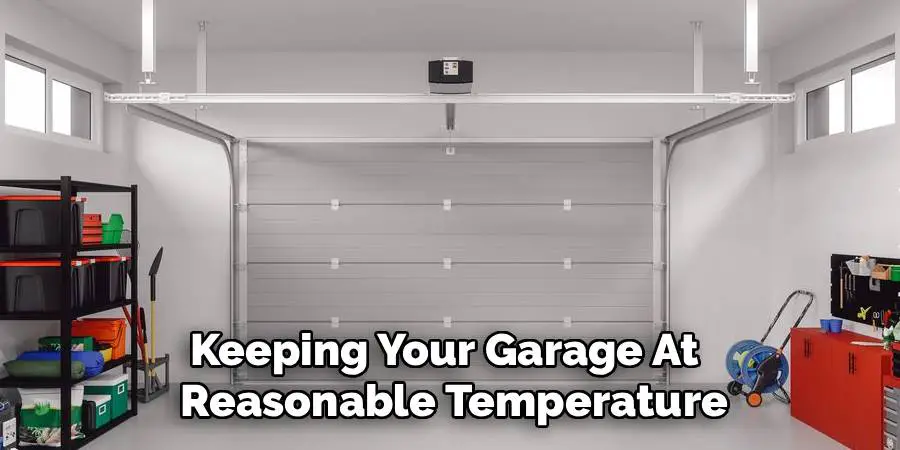
Your garage door is one of the largest uninsulated surfaces in your home, and it absorbs an enormous amount of solar radiation. Insulating it is one of the most effective ways to block heat transfer. You can purchase DIY garage door insulation kits, which typically consist of foam board or reflective foil panels that fit into the door’s sections. This upgrade not only keeps heat out during the summer but also helps retain warmth in the winter. It’s a relatively inexpensive project that offers a significant return on investment by stabilizing the garage temperature year-round.
Step 3: Texas with Wall Insulation
Just like the garage door, the walls are a major source of heat gain, especially those that receive direct sunlight. If your garage has unfinished drywall, you can add insulation to the wall cavities. Fiberglass batts or spray foam insulation are both excellent options for blocking thermal transfer. Insulating the walls, particularly the western and southern-facing ones, creates a robust thermal barrier. This prevents the sun from baking the interior of your garage and makes any active cooling method you use far more efficient, as it will not have to constantly fight against incoming heat.
Step 4: Don’t Forget the Ceiling Insulation
Heat rises, and in a garage, it collects in the attic space above, radiating down through the ceiling all day long. If you have an unfinished attic space over your garage, insulating the ceiling is crucial. Blown-in insulation is often the easiest and most effective method for this application, as it fills all the gaps and creates a thick, seamless barrier. This step is critical for preventing the superheated air from your roof and attic from turning your garage into an oven, making a noticeable difference in the overall temperature.

Step 5: Install a Radiant Barrier
A radiant barrier is a highly reflective material, usually made of aluminum foil, that is installed in the attic space. Its job is to reflect radiant heat from the sun before it can be absorbed by your ceiling insulation and transferred into the garage. In the intense Texas climate, a radiant barrier can block up to 95% of the sun’s radiant heat, drastically reducing attic temperatures. This is a powerful and cost-effective upgrade that works in tandem with traditional insulation to keep your garage significantly cooler throughout the summer months.
Step 6: Use a Portable Air Conditioner
For those who use their garage as a workshop or gym, passive cooling might not be enough. A portable air conditioner offers a flexible and effective solution. These standalone units can be positioned wherever you need them most and typically vent hot air through an included window kit or a custom-built wall port. While they consume more energy than a simple fan, they provide genuine refrigerated air, making it possible to work comfortably even on the hottest Texas afternoons. Just be sure to choose a unit with enough BTUs for the square footage of your garage.
Step 7: Install a Ductless Mini-Split
For the ultimate garage cooling solution, a ductless mini-split system is unmatched. This system consists of an outdoor compressor unit and an indoor air-handling unit mounted on the wall. It is incredibly energy-efficient, quiet, and powerful enough to maintain a consistent, comfortable temperature. While it represents a larger upfront investment, a mini-split provides both cooling and heating, turning your garage into a true, year-round extension of your living space. It’s the most effective and permanent solution for battling the Texas heat.

Step 8: Apply an Epoxy Floor Coating
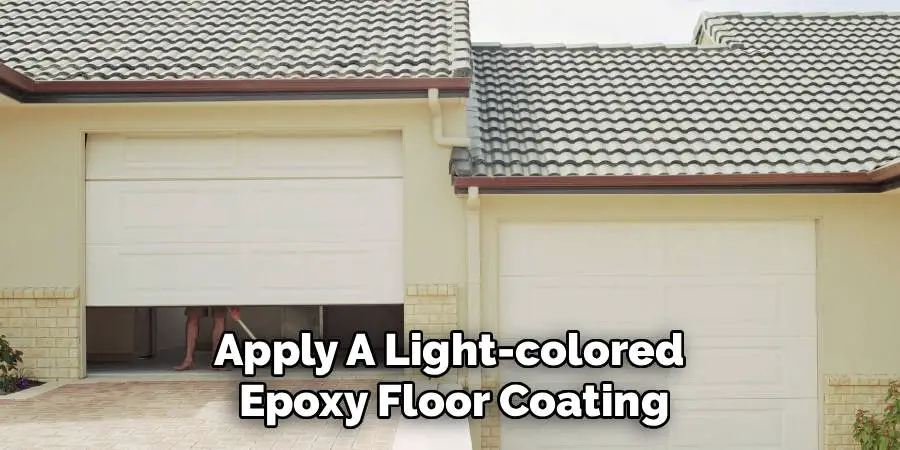
The concrete slab of your garage floor can absorb and retain a surprising amount of heat. Applying a light-colored epoxy floor coating can help mitigate this. Lighter colors reflect more light and heat than dark, bare concrete, which helps keep the floor surface cooler to the touch. In addition to its cooling benefits, an epoxy coating also makes the floor more durable, resistant to stains, and easier to clean. It’s a functional and aesthetic upgrade that contributes to a more comfortable garage environment.
Frequently Asked Question
How Much Does It Cost to Insulate a Garage in Texas?
The cost can vary widely based on the size of your garage and the type of insulation you choose. A DIY garage door insulation kit might cost between $100 and $300. Professionally insulating the walls and ceiling of a standard two-car garage can range from $1,000 to $3,000 or more, depending on whether you use fiberglass batts, blown-in insulation, or spray foam.
Is a Mini-Split Worth It for a Garage?
A mini-split is absolutely worth it if you plan to spend a significant amount of time in your garage for work, hobbies, or exercise. It is far more energy-efficient and effective than a window unit or portable AC. While the upfront cost is higher, it provides reliable, powerful cooling and adds value to your home by creating a comfortable, multi-purpose space that can be used year-round.
Will a Dehumidifier Help Cool My Garage?
While a dehumidifier does not lower the air temperature, it can make the garage feel more comfortable. In the humid Texas climate, removing excess moisture from the air can make a warm temperature feel less oppressive and sticky. A dehumidifier can be a great supplement to your primary cooling method, helping to improve air quality and prevent mold and mildew growth.
Can I Just Use a Fan to Cool My Garage?
A fan can provide some relief by creating airflow and promoting evaporative cooling on your skin, but it does not actually lower the ambient air temperature. On extremely hot Texas days, a fan might just end up blowing superheated air around. Fans work best when used to exhaust hot air out of the garage or to circulate cooled air from an AC unit.
Does Parking My Car in the Garage Make It Hotter?
Yes, parking a car that has been running will introduce a significant amount of heat into the garage. The engine and exhaust system remain hot for a long time after the car is turned off, radiating that heat into the space. If possible, let your car cool down outside for a while before pulling it into the garage on a hot day.
Conclusion
Battling the relentless summer heat in Texas is a challenge, but you don’t have to surrender your garage to it. By implementing a layered approach that combines proper insulation, strategic ventilation, and the right cooling system for your needs, you can reclaim this valuable space. Whether you start with a simple DIY garage door insulation kit or invest in a powerful ductless mini-split, each step you take makes a tangible difference. A cool, comfortable garage protects your vehicles and belongings while providing a functional extension of your home. Now that you know how to cool a garage in texas, you can create a plan to make your space usable and enjoyable all year long.

I am Rick. I grew up helping my dad with his handyman service. I learned a lot from him about how to fix things, and also about how to work hard and take care of business. These days, I’m still into fixing things- only now, I’m doing it for a living.
I’m always looking for new ways to help people grow and develop. That’s why I have created this blog to share all my experience and knowledge so
that I can help people who are interested in DIY repair.