
A squeaky garage door is usually caused by dry hinges, worn rollers, loose hardware, or dirty tracks. In most cases, you can fix it yourself in under an hour by inspecting the door, tightening loose bolts, cleaning the tracks, and lubricating the moving parts with a silicone-based or white lithium grease spray.
That grinding, high-pitched squeak every time you open your garage door is the kind of thing that starts small and gets under your skin fast. At first, you ignore it. Then it wakes up your partner. Then your neighbor gives you a look. At some point, it stops being a minor irritation and starts feeling like a problem worth solving.
Here’s the reassuring part: it almost certainly is fixable, and you probably don’t need to call anyone. Most squeaky garage doors trace back to a handful of predictable causes—lubrication that’s dried out, hardware that’s worked itself loose over months of vibration, or rollers that have simply seen better days. None of these require a technician, a large budget, or more than an afternoon.
This guide on how to stop squeaky garage doors walks you through every step of the process, from safety prep and tool selection to the fix itself and what to do so the squeak doesn’t come back in six weeks. Whether your door groans at the top of its travel or squeaks through the whole cycle, the answer is usually somewhere in this list.
Why Do Garage Doors Squeak in the First Place?
A garage door is a surprisingly complex mechanical system. Springs, rollers, hinges, tracks, cables—all of it moves in coordination every single time you open or close the door. Over months and years, that repetitive motion takes a toll. Metal grinds against metal, lubricants evaporate or turn gummy, and the vibration of daily use gradually loosens hardware that was once snug.
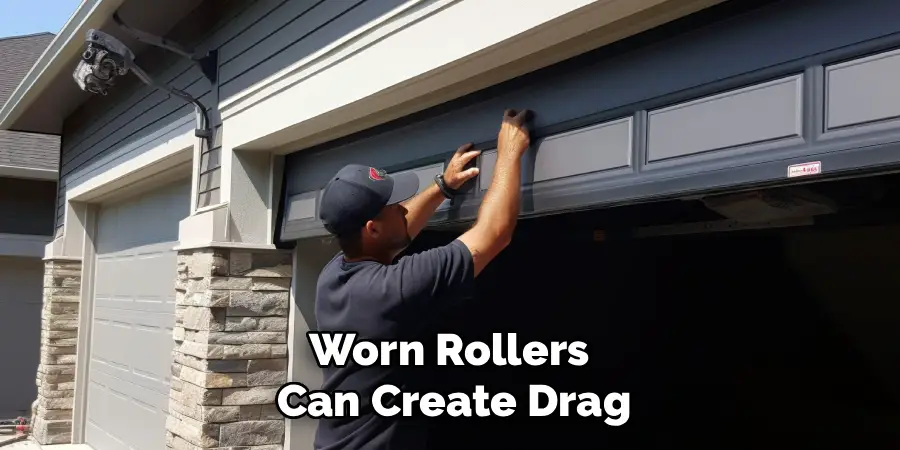
The most common cause is simple: lack of lubrication. But that’s not always the full story. Worn rollers can create drag. Dirty tracks can force rollers to work harder than they should. A loose hinge bolt, left unchecked, can produce a rhythmic squeak that sounds far more serious than it is.
Before reaching for the lubricant, it’s worth doing a slow visual inspection while running the door through a full cycle. Those 60 seconds of observation can tell you exactly where to focus your effort, which saves a lot of time later.
Safety Precautions to Take Before You Start
This step gets skipped more than it should. Start by disconnecting the garage door opener—most units have a manual release cord hanging from the motor carriage. This prevents the door from activating unexpectedly while your hands are near the hardware.
The one area to approach with genuine caution is the torsion spring—the large coiled spring mounted horizontally above the door. These springs are under significant mechanical tension, and adjusting or attempting to repair them without the right tools and training carries real injury risk. If the spring looks damaged, cracked, or stretched unevenly, stop and call a licensed technician. Lubrication around a healthy spring is fine; anything more than that is not a DIY task.
Keep children and pets out of the work area. Use a stable ladder for overhead components. Safety glasses aren’t a bad idea when spraying lubricants near your face.
Tools and Materials You’ll Need
Gathering everything before you start makes the job noticeably smoother. Here’s what to have on hand:
Tools
- Adjustable wrench – For tightening nuts and bolts on tracks and hinges
- Socket set – Useful in tighter spaces where a wrench won’t fit cleanly
- Flathead and Phillips screwdrivers – For hinge and bracket screws
- Step ladder – To safely reach the upper track sections
- Clean rags or microfiber cloths – For wiping parts before lubricating
Materials
- Garage door lubricant spray – Silicone-based or white lithium grease; not WD-40
- All-purpose cleaner or degreaser – For cleaning the inside of the tracks
- Replacement rollers (if needed) – Nylon over metal, where possible
- Replacement hinges (if needed) – For anything visibly cracked or corroded
7 Simple Steps on How to Stop Squeaky Garage Door
Step 1: Inspect the Entire Door System While It’s Running
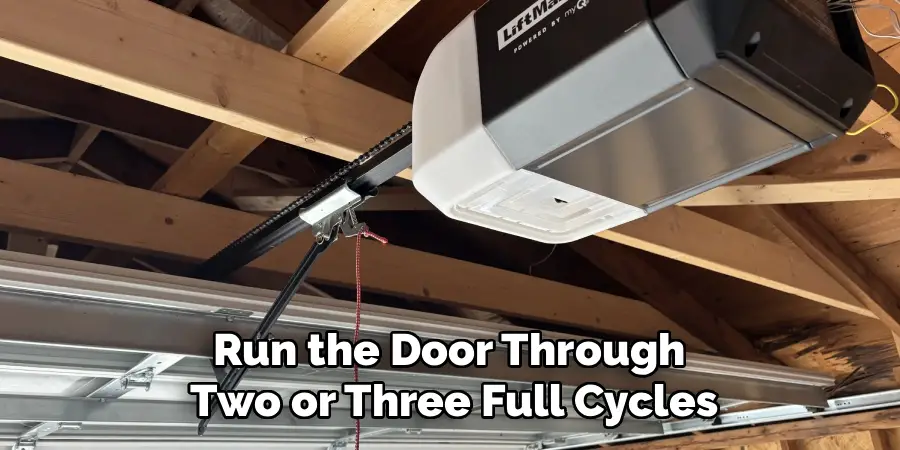
Run the door through two or three full cycles before touching anything. Watch each component—hinges, rollers, springs, cables, tracks—and listen for where the squeak actually originates. It’s easy to assume the noise is coming from one area when it’s actually coming from somewhere else entirely.
Mark problem spots with a piece of painter’s tape so you don’t lose track during the repair. A few minutes here means you won’t end up re-doing the job because you missed the actual source.
Step 2: Tighten Every Piece of Loose Hardware
This step gets underestimated. Vibration from daily use gradually works bolts and screws loose—slowly enough that you’d never notice it happening, but the cumulative effect over a year is significant.
Work your way along the entire door with a wrench and socket set, tightening every bolt and screw on the hinges, tracks, and mounting brackets. Go firm, not forceful—overtightening can strip threads or crack aged hardware. In many cases, this step alone eliminates a portion of the noise.
Step 3: Clean the Tracks (Don’t Lubricate Them)
The inside of the tracks accumulates dirt, dried grease, and small debris over time. When rollers push through that buildup, drag increases, and so does noise. Use a cloth dampened with degreaser or all-purpose cleaner to wipe the inside of both tracks from top to bottom.
One clarification worth making explicit: do not apply lubricant inside the tracks. Clean, smooth tracks allow rollers to glide freely. Adding grease actually attracts more dirt and compounds the problem over time—a counterintuitive point that many guides get wrong.
Step 4: Lubricate the Hinges
Apply garage door lubricant directly to the pivot points of each hinge—the area where two metal surfaces meet and move against each other. Run the door through a cycle after applying to help the lubricant work into the joint, then wipe away excess with a clean cloth.
Dry or corroded hinges are consistently among the top causes of garage door noise. If a hinge looks visibly cracked or if the metal around the pin is worn thin, replacement is the better call.
Step 5: Lubricate the Rollers Correctly
For metal rollers, apply lubricant to the bearings—the ball-bearing housing inside the roller body—rather than the outer surface. Spraying the outside of the roller or the inside of the track doesn’t help and creates a mess.
If the rollers are cracked, chipped, or the bearing feels rough when you spin them by hand, replace them. Nylon rollers are worth the modest investment: they run quieter than metal, tolerate less frequent lubrication, and tend to last longer under normal residential use.
Step 6: Lubricate the Springs and Bearing Plates
The torsion springs and the bearing plates at either end of the torsion bar benefit from a light coat of lubricant along their length. This reduces friction, extends spring life, and can eliminate a low metallic groan that lubrication elsewhere won’t touch.
To be clear about scope: this means applying lubricant to the exterior surface of a healthy spring. Any adjustment, tensioning, or repair of the spring mechanism itself should be handled by a professional.
Step 7: Test the Door and Revisit Any Remaining Noise
Reconnect the opener and run the door through several complete cycles. Listen carefully for any noise that remains. If there’s still a squeak at a specific point in the door’s travel, revisit that area—check whether a component was missed, or apply an additional pass of lubricant to a hinge or roller that may need more.
In most cases, completing all seven steps clears the noise entirely. If it doesn’t, that’s worth paying attention to—persistent noise after a thorough service can indicate a bent track or a failing spring that needs professional assessment.
Following these steps on how to stop squeaky garage door can help prolong the lifespan of your garage door and keep it functioning smoothly for years to come.
What Lubricant Should You Actually Use on a Garage Door?
The two best options are silicone-based spray and white lithium grease spray. Both are formulated for metal-on-metal contact, resist temperature extremes reasonably well, and don’t evaporate as quickly as general-purpose products.
Silicone spray works particularly well on plastic components, including nylon rollers. White lithium grease tends to perform better on springs, metal hinges, and bearing plates where a slightly heavier film is beneficial. Either is available at most hardware stores, and many are sold specifically labeled for garage door use.
What to avoid: WD-40 is a common mistake. It’s a solvent and water displacer—useful for loosening corroded bolts—but it evaporates quickly and can dry out seals. Household oils (cooking oils, motor oil) break down fast and attract dirt. Heavy bearing greases can gum up the finer moving parts. When in doubt, check the label for “garage door” compatibility.
Common Mistakes That Make the Problem Worse
Lubricating the tracks instead of cleaning them is probably the most common error. Greased tracks collect grit from the rollers, which turns into an abrasive paste that accelerates wear on both the rollers and the track surface itself.
Skipping the hardware tightening step is another. Many people assume the squeak is a lubrication problem and stop there, even when loose bolts are the actual culprit. The two issues often coexist, which is why working through every step in sequence matters more than it might seem.
Using the wrong lubricant can also leave you worse off than before—especially if WD-40 dries out the rubber seals around older rollers or washes existing grease from bearings that still had useful life in them.
How to Prevent Your Garage Door from Squeaking Again
A straightforward maintenance routine, done consistently, will keep most squeaks from returning. Lubricating all moving parts—hinges, rollers, springs, and bearing plates—twice a year is a reasonable baseline. If the door gets heavy use, or if you’re in a climate with extreme seasonal temperature swings, quarterly maintenance may be more appropriate.
Clean the tracks every few months with a dry or lightly dampened cloth. It takes about five minutes and has a measurable effect on how smoothly the rollers travel. A quick visual inspection each season—looking for hardware that’s worked loose, rollers that appear cracked, or any component that looks worn—can catch problems before they become noisy ones.
When to Call a Professional Instead
If the squeak persists after completing all seven steps, or if you notice a broken spring, a visibly bent track section, or cables that appear frayed or out of alignment, stop and call a licensed garage door technician. These are situations where the mechanical risk outweighs the DIY savings.
Torsion spring failure in particular can be sudden and dangerous. A spring under full tension that breaks or releases unexpectedly can cause serious injury or significant damage to the door and surrounding structure. That’s not alarmism—it’s just an honest assessment of where the boundary between reasonable DIY and specialist work actually falls.
Frequently Asked Questions
How Often Should I Lubricate My Garage Door to Prevent Squeaking?
Most garage door manufacturers recommend lubricating all moving parts—hinges, rollers, springs, and bearing plates—at least twice a year. If the door sees heavy daily use or is exposed to significant temperature fluctuations, quarterly lubrication may be more effective at preventing noise and wear.
Can a Squeaky Garage Door Indicate a Serious Mechanical Problem?
Yes, in some cases. Squeaking is often a lubrication issue, but it may also point to worn rollers, damaged hinges, a bent track section, or a spring approaching the end of its service life. If lubricating and tightening hardware doesn’t resolve the noise, a professional inspection is a sensible next step to rule out anything more serious.
Is It Safe to Fix a Squeaky Garage Door Without Professional Help?
Basic maintenance—lubricating components, tightening hardware, and cleaning tracks—is safe to handle yourself, provided you disconnect the opener first and avoid adjusting any spring components. Anything involving torsion springs, cable alignment, or structural track repair should be left to a licensed technician, as those systems operate under significant mechanical tension.
Why Shouldn’t I Use WD-40 on My Garage Door?
WD-40 is primarily a solvent and water displacer, not a long-term lubricant. It evaporates quickly, can dry out rubber seals and bearings, and doesn’t provide the sustained protective film that silicone spray or white lithium grease does. Using it may offer brief relief but tends to worsen the problem within a few weeks.
What’s the Difference Between Cleaning the Tracks and Lubricating Them?
The tracks should be cleaned—wiped free of dirt, grit, and old grease—but never lubricated. Applying lubricant inside the tracks causes rollers to collect debris, which creates an abrasive buildup that accelerates wear on both the roller surface and the track itself. Clean tracks allow smooth roller travel; greased tracks do the opposite.
How Do I Know If My Garage Door Rollers Need to Be Replaced?
Inspect each roller while the door is stationary. Cracking, chipping, or visible flat spots on the roller surface are clear signs of wear. If the bearing feels rough or grinds when you spin it by hand, the roller is past the point where lubrication will help. Nylon rollers are generally the preferred replacement—they run quieter and require less frequent maintenance than metal equivalents.
Put the Squeak Behind You for Good
Seven steps, a can of lubricant, and an hour of your time—that’s genuinely all most squeaky garage doors require. Inspecting the system first, tightening hardware, cleaning the tracks, and lubricating the right components in the right order turns what feels like a persistent mechanical problem into something straightforwardly fixable.
The part that most people skip is what comes after: a simple twice-yearly maintenance routine that takes less time than an oil change. Do that, and the odds of the squeak returning drop considerably. Treat the garage door as a mechanical system that needs occasional attention, and it will run quietly for years without demanding much in return. Thanks for reading this guide on how to stop squeaky garage door.

I am Rick. I grew up helping my dad with his handyman service. I learned a lot from him about how to fix things, and also about how to work hard and take care of business. These days, I’m still into fixing things- only now, I’m doing it for a living.
I’m always looking for new ways to help people grow and develop. That’s why I have created this blog to share all my experience and knowledge so
that I can help people who are interested in DIY repair.