
A disconnected garage door can be more than just an inconvenience. Whether it happened during a power outage or as part of regular maintenance, knowing how to reconnect garage door to motor is a valuable skill every homeowner should have. The good news is, with a bit of patience and guidance, you can get your door back in working order quickly and safely. This guide walks you through every step of the process, sharing practical insights to make the task easy—even for a first-timer.
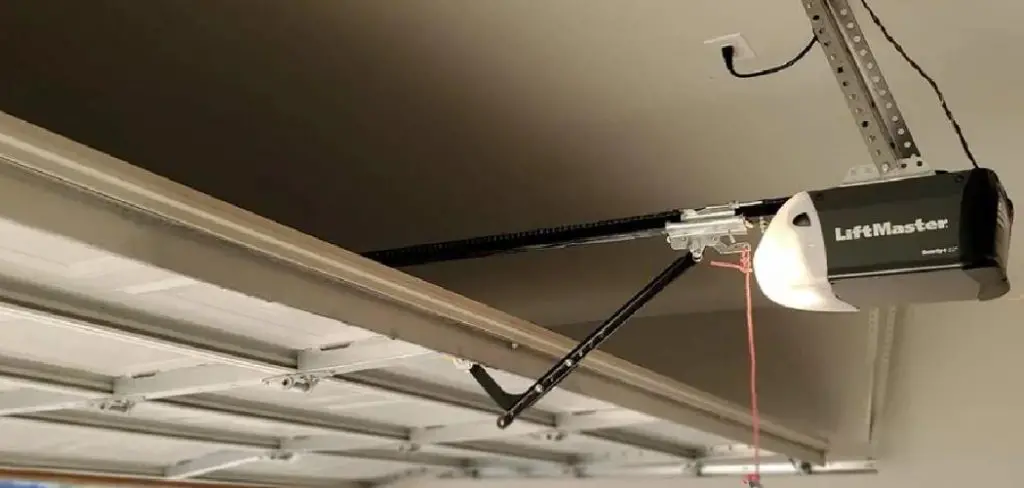
Before beginning, ensure the area around the garage door is clear of any obstacles, and confirm that the power to the motor is turned on. Start by locating the red emergency release cord, usually hanging from the garage door trolley. Pulling this cord disengages the trolley from the motor, allowing you to manually operate the door. To reconnect, simply position the door so that it aligns with the trolley, then activate the garage door opener. The motor should reattach automatically as it moves, restoring the connection and functionality. Always test the door a few times to confirm it is working properly and smoothly.
Garage doors are designed with safety and manual operation in mind, so you don’t need specialized tools to reconnect them. Just follow along with our simple steps to restore your door’s connection to its motor, ensuring it functions seamlessly.
Why Reconnecting Your Garage Door to the Motor is Important
Reconnecting your garage door to the motor is not just about convenience. A connected system provides automated operation, which enhances daily convenience while saving time. With the motor engaged, your door becomes easier to open and close with minimal physical effort.
More importantly, the connection also improves safety. Using a manual operation for long periods can increase the risk of accidents, especially if the door becomes misaligned or excessively heavy to lift. A motor-equipped door ensures proper control and minimizes the risk of unexpected injuries.
Finally, reconnecting the motor also helps protect the garage door components themselves. Running on a motorized system ensures the smooth operation of tracks, springs, and pulleys, which can degrade faster with manual usage. Reconnecting is both a practical and preventive step to keep everything working efficiently.
7 Step-by-Step Guide for How to Reconnect Garage Door to Motor
Step 1: Identify the Disconnection Mechanism
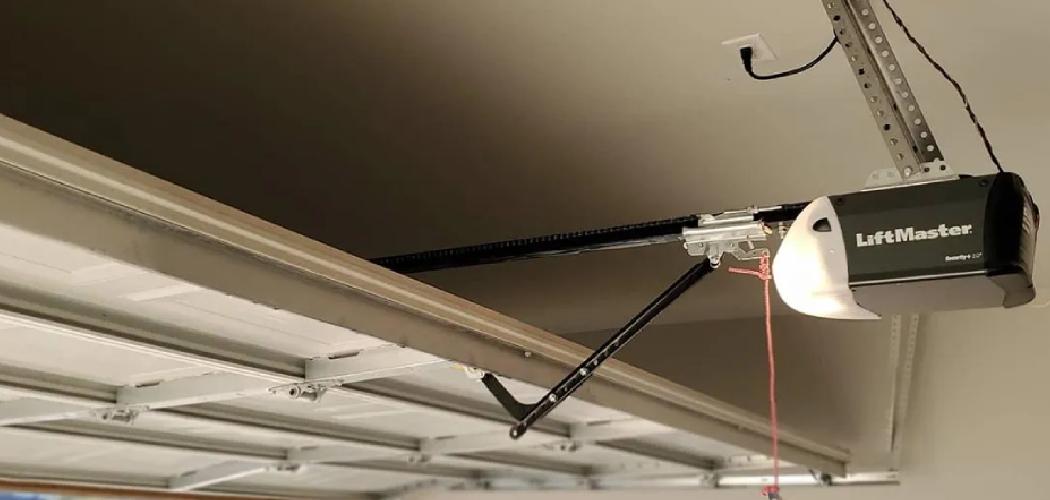
Start by locating the disconnection mechanism on your garage door opener. Most garage door systems feature a manual release cord—a red handle hanging down from the track. This cord disengages the motor when pulled, allowing for manual operations during an emergency or power outage.
Inspect the area where the cord connects to the automatic opener. The trolley, which moves along the track, should also be visible nearby. When the door is disconnected, the trolley stays stationary while the door moves manually. Familiarize yourself with these components to understand how they interact during the reconnection process.
To ensure a successful reset, always check for any accidental debris or obstructions around the trolley or cord. If you see damage or misalignment, address those issues before proceeding. Proper maintenance now can save you from complications later.
Step 2: Ensure the Garage Door is Fully Closed
For safety reasons, make sure the door is completely closed. Operating the motor while the door is partially open could cause sudden movement, risking damage or injury. Once closed, lift the door slightly to confirm that it is disengaged from the motor. The door should glide easily along its tracks.
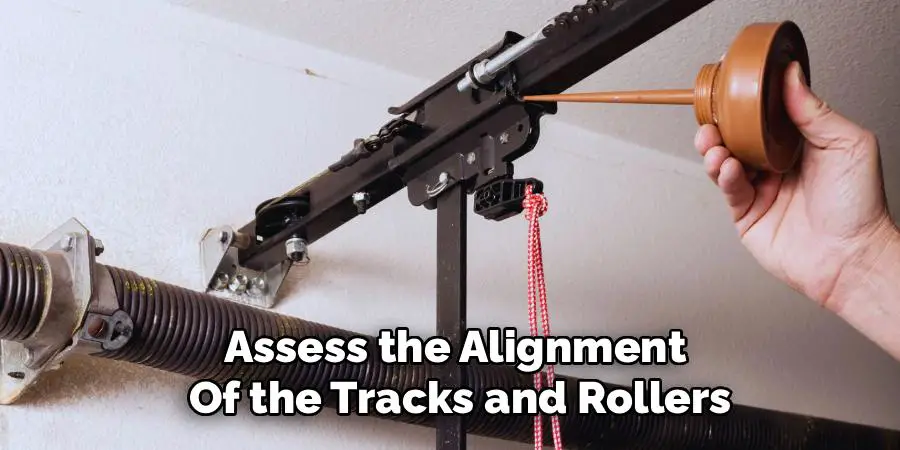
While the door is closed, assess the alignment of the tracks and rollers. If any part appears to be off-center or jammed, fix these problems now to ensure smoother reconnection. Additionally, check that all nuts and bolts are tight, reducing the chance of vibrations disrupting the process.
Taking these precautions ensures your safety and prevents unnecessary wear on the system. Once everything is confirmed to be in proper order, you’re ready for the next step.
Step 3: Pull the Manual Release Cord Down
Locate the manual release cord—the red handle hanging from the garage door track—and pull it downward gently but firmly. Doing so re-engages the trolley into the motorized system. You may hear or feel a click as the trolley locks back into its automatic position.
Be careful to avoid sudden or excessive force when pulling the cord to prevent damaging the system. Steady, even pressure is all it takes. After pulling, the trolley will move slightly along the track, preparing itself for connection with the door.
This step is crucial to reconnect the power unit. Missteps here might lead to incomplete engagement, so spend an extra moment ensuring everything feels secure before moving on.
Step 4: Test the Motor by Activating the Opener
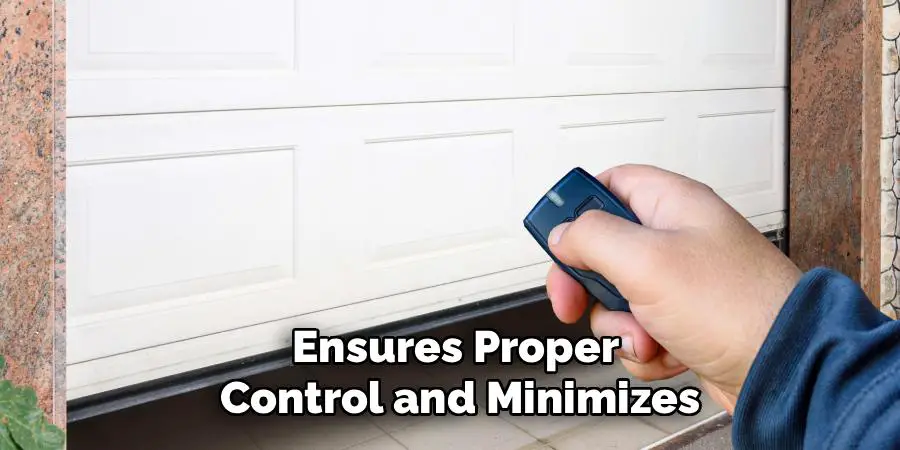
To determine if the reconnection was successful, use the garage door opener button or remote control to activate the system. Watch closely as the trolley begins to move along the track. The door should now engage automatically and lift smoothly.
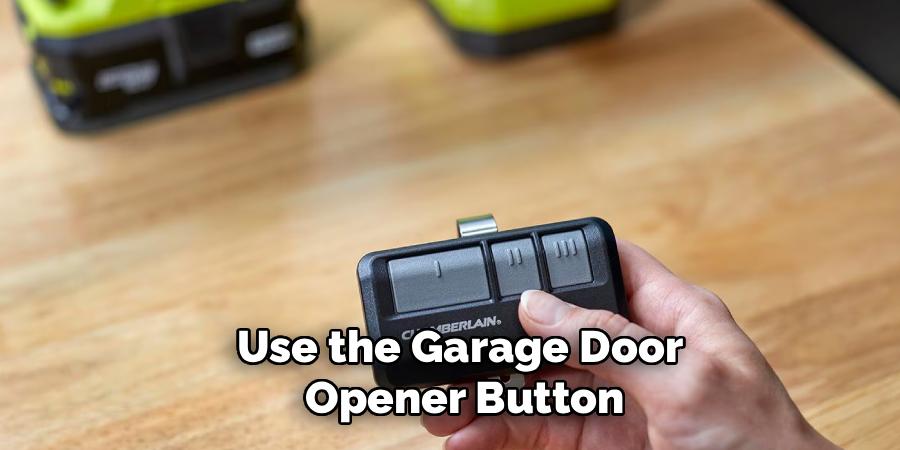
If the motor hums but the door doesn’t move, double-check that the trolley is fully latched into the opener system. You can gently recheck the manual release cord, as improper seating may prevent full reconnection. Test the motor again, ensuring there are no jerks or hesitations.
This test serves as a diagnostic step in confirming that your door and motor are working in harmony. It also helps pinpoint any lingering issues early on.
Step 5: Inspect the Safety Sensors
Modern garage door systems come with safety sensors positioned at the base of the tracks. These sensors detect obstacles and stop the door for added safety. During a reconnection, ensure these sensors are aligned perfectly, with their indicator lights active.
Misaligned or dirty sensors can stop the motorized system in its tracks, even when properly connected. Check for dust or dirt buildup and clean the sensor lenses with a soft cloth. Adjust their positioning if necessary to establish a clear, unobstructed pathway.
A properly functioning sensor system is critical not only for reconnection but for the ongoing safe operation of your garage door.
Step 6: Manually Lift and Lower the Door
Before fully relying on the motor, manually open and close the garage door a few times. This test ensures the tracks and trolley are aligned properly and that the reconnection process was effective. Pay attention to any resistance or uneven movement.
Lubricate the hinges and rollers if you notice any stiffness. A smooth manual operation translates to better motor performance. After confirming smooth movement, allow the motor to take over and run the door through a full cycle up and down.
This practice not only confirms successful reconnection but also helps identify potential maintenance issues early.
Step 7: Final System Check
Once your door has cycled through a few runs, perform a final inspection of all components. Confirm that the track is clear, the sensors are operational, and the motor is lifting and lowering the door without difficulties.
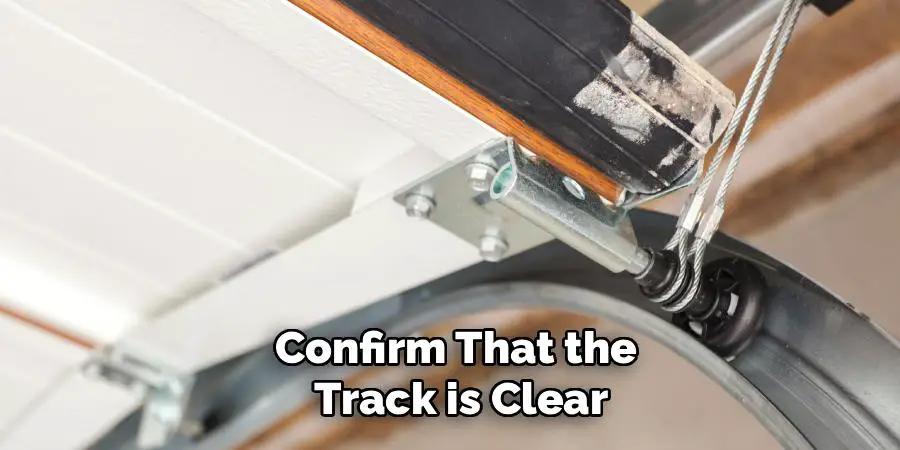
Listen carefully for unusual noises during motor operation. Squeaks or grinding may indicate the need for additional lubrication or adjustment. If everything checks out, congratulations! You have successfully reconnected your garage door to the motor.
Additional Safety Tips
Perform Regular Maintenance: Regularly inspect and maintain your garage door system to prevent unexpected issues. This includes checking the springs, cables, and rollers for wear and tear.
Test the Auto-Reverse Feature: Periodically test the auto-reverse feature of your garage door. Place an object, like a block of wood, in the door’s path to ensure it reverses upon contact.
Keep Children Away: Teach children about garage door safety and ensure they do not play with the remote control or near the moving door.
Avoid DIY Repairs on High-Tension Parts: Components like the springs and cables are under high tension and can be dangerous to handle. Leave these repairs to trained professionals.
Disconnect During Power Outages: If you need to manually operate the door during a power outage, ensure the door is disengaged properly and securely to avoid accidents.
By following these safety tips, you can help ensure a safe and reliable operation of your garage door for years to come.
Frequently Asked Questions
What should I do if my garage door won’t reconnect to the motor?
If your garage door won’t reconnect after following the steps, check the manual release cord and trolley. They may not be properly aligned. Ensure that the cord isn’t frayed and the trolley is seated correctly on the track. You can also inspect the sensors and clean them if necessary. If the problem persists, professional assistance may be required to address mechanical or motor issues.
How often should I perform maintenance on my garage door system?
You should inspect and maintain your garage door system every three to six months. Clean the track and rollers, lubricate moving parts, and test the sensors regularly. Timely maintenance prevents wear and tear, ensuring smoother operations and longer system life.
What are the main signs of a faulty garage door motor?
Common signs include grinding noises, slow movement, or failure to lift or lower the door consistently. If the motor hums without any physical action, it may be time to repair or replace it. Additionally, flickering lights on your motor unit can signal electrical issues.
Can I reconnect a garage door to the motor without professional help?
Yes, you can handle this process on your own, provided you have clear instructions and take the necessary safety precautions. Ensure the power is off while inspecting and double-check alignment throughout the reconnection.
Why does my garage door opener disengage frequently?
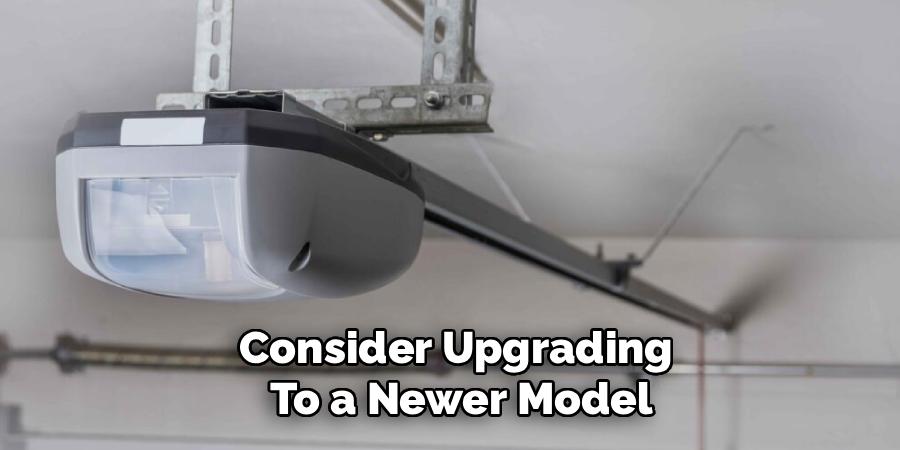
Frequent disengagement can stem from overuse of the manual cord, faulty alignment, or old hardware. To prevent this, check for loose connections and service the door opener regularly. Consider upgrading to a newer model if the problem persists.
Conclusion
Knowing how to reconnect garage door to motor is an essential homeowner skill, offering both convenience and safety. By following these clear steps, you can restore your system’s functionality quickly and confidently. Regular maintenance further ensures long-lasting performance.
Additionally, always prioritize safety when working with garage doors and motors. Disconnect the power supply before conducting any repairs or adjustments to minimize the risk of electric shock or injury. If the issue seems too complex or requires specialized tools, do not hesitate to contact a professional technician for assistance. This approach not only ensures the problem is resolved correctly but also helps in preventing potential damage to the system.
Reconnect your garage door today and enjoy the ease of automated operation once more! With this knowledge, you’re prepared to handle minor issues and keep your garage door functioning smoothly.

I am Rick. I grew up helping my dad with his handyman service. I learned a lot from him about how to fix things, and also about how to work hard and take care of business. These days, I’m still into fixing things- only now, I’m doing it for a living.
I’m always looking for new ways to help people grow and develop. That’s why I have created this blog to share all my experience and knowledge so
that I can help people who are interested in DIY repair.