
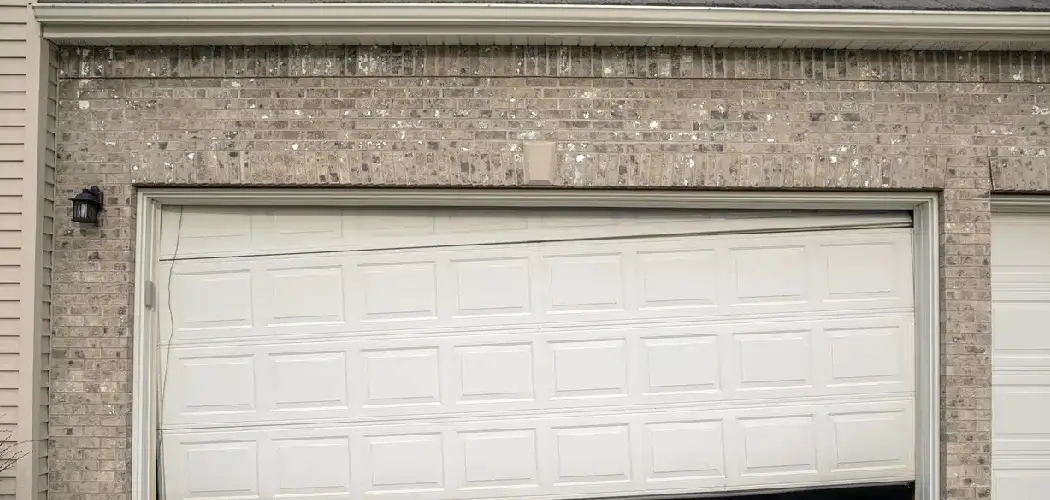
A crack in your garage door’s top panel might seem like a minor cosmetic problem, but it can quickly become something more serious. The top panel is one of the most structurally important sections of the door — it’s typically where the opener bracket attaches, where the horizontal tracks begin, and where the door bears significant load during operation.
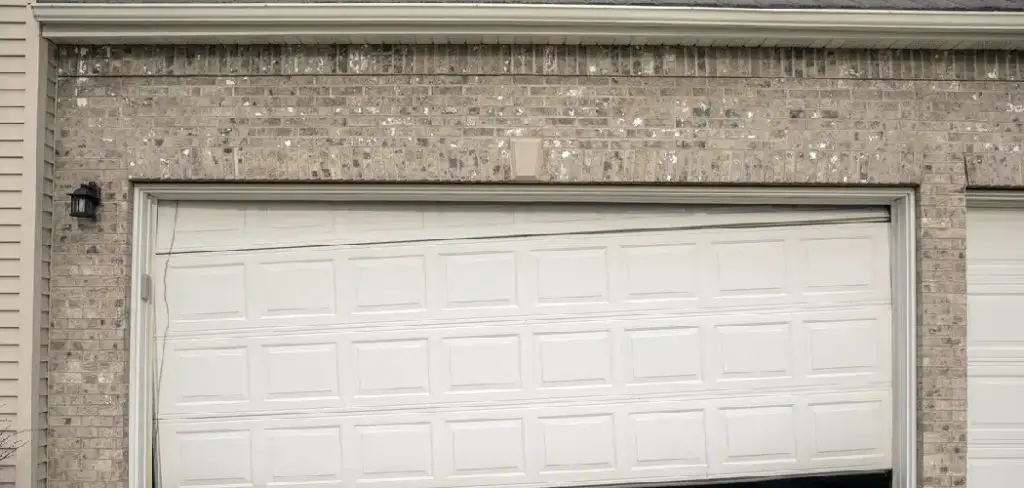
Knowing how to fix a cracked garage door top panel means understanding what you’re actually dealing with before you reach for filler or order a replacement. The right repair depends on your door’s material, the severity of the crack, and whether the damage has affected any functional hardware. This guide walks you through each stage clearly, so you can make an informed decision — and recognize when the job calls for a professional rather than a DIY fix.
Why Door Top Panel Matters
The top panel of a garage door does more than close a gap — it anchors the lift hardware, supports the weight of the door during travel, and seals the upper opening against weather, pests, and intruders. When it cracks, all of those functions are compromised to some degree.
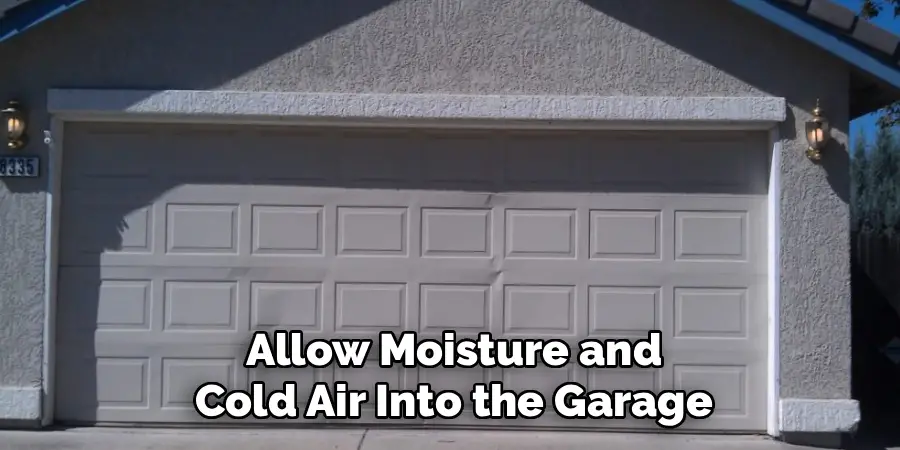
A damaged top panel can put uneven stress on the opener, cause the door to bind or travel unevenly, and allow moisture and cold air into the garage. Left unaddressed, a crack in this location tends to worsen. Operating a door with a structurally weakened top panel is also a safety risk, since the opener bracket and torsion bar attachment points depend on that panel remaining solid and intact.
Step-By-Step Guide To How To Fix A Cracked Garage Door Top Panel
Step 1: Identify Your Door Material And Crack Type
The first thing to determine is what your door is made of — steel, aluminum, wood, or fiberglass — because each material responds differently to damage and repair. Steel panels can dent and crack at stress points. Wood panels split along the grain. Fiberglass panels crack cleanly but can also delaminate. Aluminum panels crumple more than crack, so a visible crack is less common but possible.
Next, assess the crack itself. Is it a surface crack that doesn’t penetrate the full thickness of the panel? Or does it run through the entire cross-section, compromising the panel’s ability to hold its shape under load? A hairline surface crack on a steel door is a cosmetic issue. A full-depth crack near the opener bracket is a structural one, and that distinction determines everything that follows.
Step 2: Check Whether The Opener Bracket Or Hardware Is Affected
The top panel is where the center bracket connects the door to the trolley and rail of the opener. Before doing anything else, look at whether the crack runs through or near this bracket’s mounting area. If the bracket is pulling away from the panel, if mounting holes are elongated, or if the panel flexes visibly when you try to open the door manually, the damage is structural.
Also examine the top corners of the panel where it connects to the vertical tracks via hinges and rollers. Cracks near hinge attachment points affect how the door flexes through its travel and can cause the door to rack or bind. Document what you find with photos before proceeding — these details matter if you need to order parts or call a technician.
Step 3: Secure The Door Before Any Inspection
Garage doors operate under significant spring tension, and the top panel sits closest to that tensioned hardware. Before you touch any part of the panel closely, disconnect the opener by pulling the red emergency release cord. This decouples the door from the trolley and prevents the opener from activating unexpectedly while you’re working near the top of the door.
Do not attempt to remove, adjust, or inspect the torsion spring, cables, or any tensioned hardware yourself — these components store enough mechanical energy to cause serious injury if handled incorrectly. Your inspection and any repair work should stay focused on the panel itself and its attached hinges. If anything beyond the panel needs attention, that’s a job for a licensed garage door technician.
Step 4: Apply Temporary Reinforcement
If the crack is minor and panel replacement will take a few days to arrange, you may be able to stabilize the damage temporarily so the door remains functional and secure. For steel doors, a metal mending plate secured with sheet metal screws on the interior face of the panel can bridge a crack and restore enough rigidity to operate the door carefully in the meantime.
For wood doors, wood glue forced into the crack, clamped and allowed to cure fully, combined with a backing plate on the inside, can hold until the proper repair is completed. This is a short-term measure only — not a permanent fix. Make sure the door tracks and rollers aren’t being affected by the crack before resuming normal use, and avoid running the opener at full speed until the panel is properly repaired or replaced.
Step 5: Decide Between Cosmetic Repair And Full Panel Replacement
For surface-level cracks on steel or fiberglass doors that haven’t compromised structural integrity, a cosmetic repair is a legitimate option. Automotive body filler or a fiberglass repair kit can fill, shape, and smooth minor damage before priming and repainting. The repair will be invisible once finished, and the panel will continue to function normally as long as the underlying structure is sound.
Full panel replacement is the right call when the crack is through the full thickness of the panel, when it affects the opener bracket area or hinge points, when the panel has warped or bowed, or when repeated cosmetic repairs haven’t held. Learning how to fix a cracked garage door top panel correctly means being honest about which category your damage falls into — a cosmetic patch on a structurally failed panel creates a false sense of security.
Step 6: Match The Replacement Panel By Manufacturer And Model
If replacement is the right path, the panel you order must match the existing door as closely as possible. Garage door panels are not universal — they vary by manufacturer, model series, panel height, thickness, profile, and finish. An incorrectly matched panel won’t align with the existing sections, won’t connect properly at the hinges, and will look mismatched even if it physically fits the opening.
Start by looking for a manufacturer label on one of the existing panels or on the inside of the door. Contact the manufacturer directly with the model number to confirm part availability. If your door is older and the panel is discontinued, a garage door dealer may be able to source a close match or advise on whether a full door replacement is more practical than sourcing one obsolete section.

Frequently Asked Questions
How Do I Know If My Garage Door Top Panel Needs Replacement Or Just Repair?
If the crack is shallow and doesn’t affect any hardware attachment points, cosmetic repair is often enough. If the crack runs through the full panel thickness, distorts the panel shape, or sits near the opener bracket or hinge points, replacement is the safer and more durable solution. A door technician can confirm which option applies to your specific damage.
Can I Replace Just One Panel On My Garage Door?
Yes, in most cases a single panel can be replaced without replacing the entire door. The replacement panel must match the manufacturer, model, height, and profile of your existing sections. If your door is older and the panel is discontinued, sourcing an exact match may be difficult, and a full door replacement may become the more practical choice.
Is It Safe To Operate A Garage Door With A Cracked Top Panel?
Operating a door with a minor surface crack that doesn’t affect hardware is generally low risk in the short term. However, a crack near the opener bracket, hinge points, or through the full panel thickness creates a real safety concern. The door could bind, the opener bracket could fail, or the panel could worsen rapidly under the repeated stress of daily operation.
How Much Does It Cost To Replace A Garage Door Top Panel?
Panel replacement costs vary by door material, manufacturer, and whether labor is included. A single steel panel typically costs between $150 and $400 for the part alone. With professional installation, total costs often range from $250 to $600 or more depending on the complexity of the job and your location. Wood and custom panels generally cost more than standard steel sections.
Why Is The Top Panel More Important Than Other Garage Door Sections?
The top panel is where the opener’s center bracket attaches, connecting the entire door to the drive system. It also sits closest to the torsion spring system and experiences significant tension during each open-and-close cycle. Damage to this section affects how load is distributed across the door, making it more structurally critical than lower panels that primarily seal and span the opening.

Conclusion
A cracked top panel is one of the more consequential garage door problems you can face, precisely because of where that panel sits in the door system. The good news is that many cases — caught early and assessed honestly — are manageable with the right approach, whether that’s a clean cosmetic repair or a matched panel replacement.
Taking the time to understand your door’s material, the crack’s severity, and whether functional hardware is involved puts you in a much better position than diving straight into a repair. Following the steps in this guide for how to fix a cracked garage door top panel gives you a clear, realistic path forward — and helps you recognize the point where calling a professional protects both your door and your safety. Act carefully, stay away from spring hardware, and prioritize a lasting fix over a fast one.

I am Rick. I grew up helping my dad with his handyman service. I learned a lot from him about how to fix things, and also about how to work hard and take care of business. These days, I’m still into fixing things- only now, I’m doing it for a living.
I’m always looking for new ways to help people grow and develop. That’s why I have created this blog to share all my experience and knowledge so
that I can help people who are interested in DIY repair.