
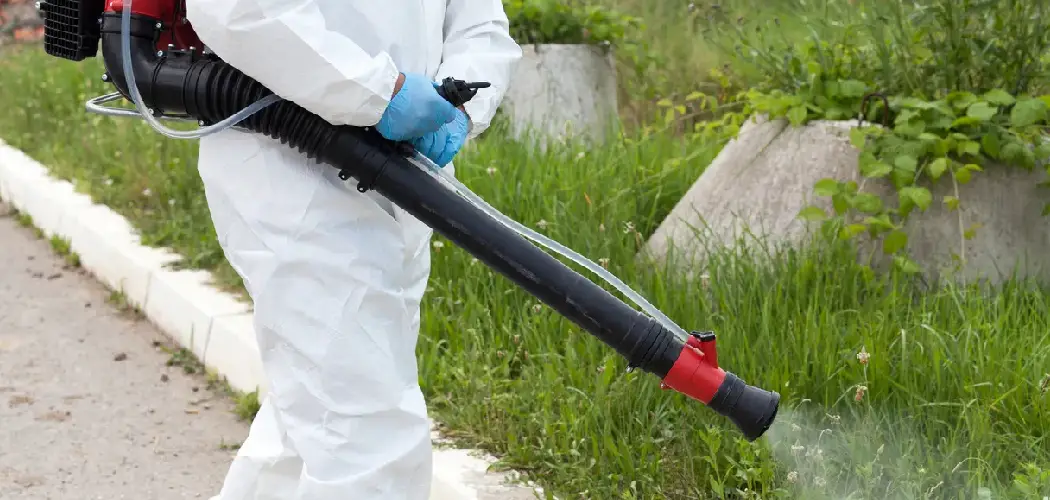
A leaf blower can clean a garage far faster than a broom by directing dust and debris toward a single exit point. Clear out large items first, open all doors for ventilation, and work from the back wall toward the exit in sweeping motions. The full process takes most people under an hour.

Dust accumulates fast in a garage. It settles on shelving, collects in corners, and builds up under equipment over weeks and months until the space starts to feel less like a functional room and more like a neglected storage locker. The instinct is usually to grab a broom—but that often just pushes fine particles around rather than removing them.
A leaf blower changes that equation. Used correctly, it moves debris out of the garage rather than redistributing it across the floor. It reaches under shelving units, into wall corners, and behind stored equipment where broom bristles don’t easily go. For anyone dealing with sawdust from a home workshop, gravel tracked in from the driveway, or just a general layer of grime that’s been building since last spring, this guide covers everything you need.
Below, you’ll find a full breakdown of what tools to gather, seven steps on how do you clean a garage with a leaf blower to clean your garage efficiently with a leaf blower, common mistakes that slow the process down, and a realistic look at what the whole setup costs.
Why a Leaf Blower Works Better Than a Broom for Garage Cleaning

The core problem with a broom in a large, dusty space is airflow—or the lack of it. Sweeping agitates debris and temporarily lifts fine particles into the air, but much of that dust settles back onto surfaces within minutes. You sweep, things look better briefly, then the thin film returns.
A leaf blower uses concentrated, directional airflow to physically move debris toward an exit point. There’s no redistribution—just displacement. Cordless battery-powered models offer added flexibility here, since you can move freely around the space without managing a cord underfoot. Gas-powered models deliver more raw force, though they’re generally more than necessary for a standard garage clean.
One underappreciated advantage: the blower reaches spaces that are genuinely difficult to access with a broom. The gap behind a chest freezer, the corners under wall-mounted shelving, the area around a water heater—a broom handles these awkwardly, if at all. A directed airstream doesn’t have that limitation.
What Tools and Materials Do You Need to Clean a Garage with a Leaf Blower?
Before starting, having everything in place prevents the kind of mid-clean interruptions that stretch a 45-minute job into two hours.
Leaf Blower (Electric, Battery-Powered, or Gas)
For garage cleaning, electric and battery-powered models are the better choice. They’re quieter, produce no exhaust, and are easier to control in enclosed spaces. Gas-powered blowers are better suited to outdoor use—their carbon monoxide output makes them a real health risk in semi-enclosed areas unless the garage door is fully open and airflow is strong.
Safety Goggles and Dust Mask

This matters more than most people expect. Fine dust becomes heavily airborne during this kind of cleaning, and garages used as workshops often contain wood shavings, chemical residue, or insulation fibers. An N95 mask and basic protective goggles cost under $20 combined and take 30 seconds to put on.
Work Gloves
Useful for protecting hands from sharp debris and reducing vibration fatigue if you’re running the blower for an extended session.
Heavy-Duty Garbage Bags
Have several on hand. You’ll collect the debris pile at the end rather than blowing it out onto the driveway.
Broom and Dustpan
The leaf blower handles the heavy work, but a broom and dustpan are still necessary for gathering the final debris pile near the exit into bags.
Outdoor Extension Cord (Electric Models Only)
If your blower requires a cord, use a properly rated outdoor extension cord. Undersized cords can overheat under sustained load.
7 Steps on How Do You Clean a Garage With a Leaf Blower
Step 1: Clear Large Items and Clutter from the Garage Floor
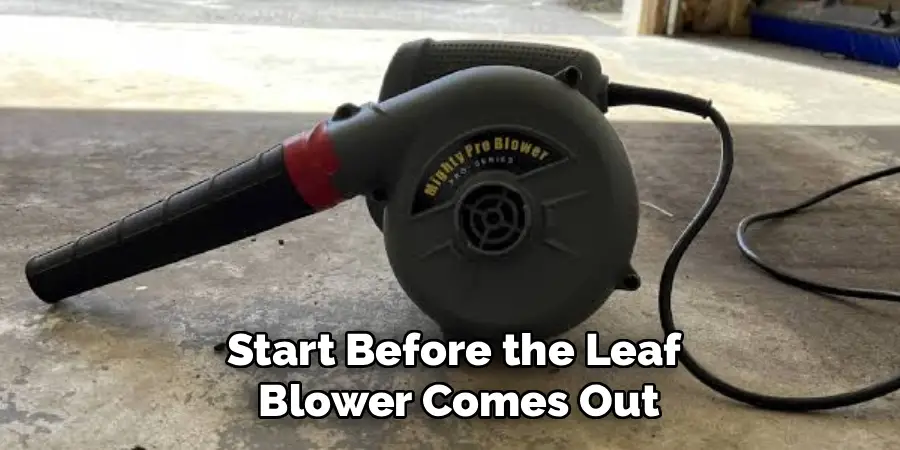
Start before the leaf blower comes out. Move bikes, storage bins, tools, portable shelving, and anything else sitting on the floor out of the way. Working around obstacles isn’t just inconvenient—it traps debris in pockets that are hard to reach mid-clean and forces you to backtrack.
This step is also a useful prompt to sort through things you no longer need. Items set aside for donation or disposal during a cleaning session tend to actually leave the house, unlike the mental note to “deal with that later.”
Step 2: Put On Your Safety Gear Before You Start
Once the floor is clear, gear up fully before switching on the blower. Goggles, dust mask, work gloves—all of it. Garages that haven’t been cleaned in several months can hold a surprising concentration of fine particulate matter, and a leaf blower disturbs all of it at once. If the garage is older and there’s any possibility of asbestos-containing materials in insulation or ceiling tiles, consult a professional before disturbing dust in that space.
Step 3: Open All Garage Doors and Windows for Ventilation
Good airflow is what makes this method work. Open the main garage door fully, and open any side doors or windows the space has. Without an exit point, the debris has nowhere to go—you’d essentially be blowing dust around inside a sealed room.
Ideally, position yourself so you’ll be blowing debris toward the main opening, working with the natural airflow rather than across it.
Step 4: Begin Blowing from the Back Wall and Work Forward
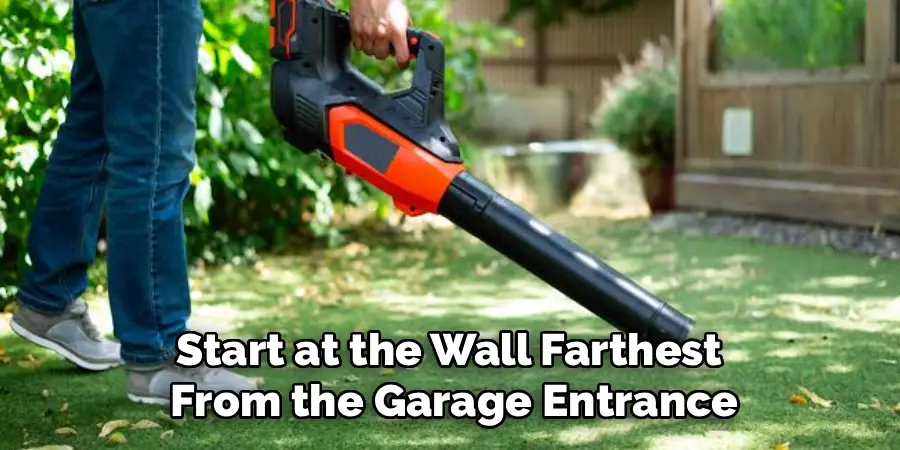
Start at the wall farthest from the garage entrance. Hold the nozzle low to the ground—roughly 6 to 12 inches—and use wide, side-to-side sweeping motions to push debris toward the door. Move forward gradually, row by row, so you’re always driving debris ahead of you rather than walking back through areas you’ve already cleaned.
Corners and wall edges tend to collect the most buildup. Spend extra time here. If there’s shelving along the walls, angle the nozzle slightly upward to knock dust off the lower shelves first, then sweep it down and forward with the rest.
Step 5: Consolidate Debris into a Single Pile Near the Exit
As you move toward the garage door, focus on keeping the debris consolidated rather than spread across a wide front. Use shorter, more controlled bursts as the pile builds. The temptation to crank the power up at this stage can scatter everything back across the floor, which undoes the previous steps.
The goal is one manageable pile near the entrance—not a thin layer redistributed across the entire floor.
Step 6: Sweep the Final Pile into Garbage Bags
Switch off the blower and let the dust settle for a minute before switching to the broom and dustpan. Collect the debris pile into heavy-duty garbage bags and tie them securely. If the debris contains oils, paint residue, chemical containers, or other potentially hazardous materials from a workshop environment, check your local guidelines on proper disposal—these shouldn’t go in standard household waste.
Step 7: Wipe Down Surfaces and Reorganize the Space
With the floor clear, use a damp microfiber cloth to wipe down workbenches, shelving surfaces, and any equipment that collected visible dust during the clean. Once surfaces are dry, return items to the garage in an organized way.
This last step is worth doing thoughtfully. Wall-mounted hooks, labeled storage bins, and vertical shelving can meaningfully reduce how quickly clutter rebuilds between cleans—which cuts down on how long each future session takes.
Following these steps on how do you clean a garage with a leaf blower will make it so much easier to maintain a clean and organized space.
How Much Does It Cost to Clean a Garage with a Leaf Blower?
The cost depends largely on whether you already own a blower. Entry-level electric models run from around $30 to $60. Mid-range battery-powered options fall between $80 and $150, which covers most household needs comfortably. Gas-powered models range from $150 to $400 or more—generally unnecessary for garage cleaning and harder to use safely indoors.
Beyond the blower, the additional costs are minimal. Safety goggles and an N95 mask typically run under $20 combined. Heavy-duty garbage bags cost a few dollars per pack. A first-time setup, including the blower, costs somewhere between $50 and $200, depending on the model you choose—an investment that pays off across every future cleaning session.
Frequently Asked Questions
Can You Use a Leaf Blower to Clean a Small Garage?
Yes. A leaf blower works well in garages of all sizes. For smaller spaces, a compact electric or battery-powered model is easier to maneuver and offers enough airflow for typical household debris. The key is keeping the garage door open so debris has a clear path out.
How Often Should You Clean Your Garage with a Leaf Blower?
For most households, a thorough clean every one to three months is sufficient. Garages used as workshops, or those with heavy foot traffic, benefit from monthly sessions. Regular maintenance prevents significant buildup and keeps each individual cleaner, shorter, and less physically demanding.
Is It Safe to Use a Gas-Powered Leaf Blower Inside a Garage?
Gas-powered blowers produce carbon monoxide exhaust, which poses serious risks in enclosed or semi-enclosed spaces. If a gas model is the only option available, keep the garage door fully open, limit continuous use, and avoid running the blower for extended periods without breaks. Battery-powered or electric models are the safer choice for indoor environments.
What Type of Leaf Blower Is Best for Cleaning a Garage?
Battery-powered (cordless) models offer the best combination of flexibility and safety for garage cleaning. They produce no exhaust, are quieter than gas models, and don’t require managing a cord across the floor. A model with variable speed control gives you more precision when consolidating the final debris pile near the exit.
Can You Use a Leaf Blower to Clean Garage Shelving and Workbenches?
A leaf blower can dislodge dust from shelving and workbench surfaces, but it’s generally more effective for floor-level debris. For surfaces at waist height or above, a damp microfiber cloth after the main floor is typically cleaned does a better job and prevents dust from being redeposited on the freshly cleaned floor.
A Cleaner Garage Is Closer Than You Think
Cleaning a garage doesn’t need to become a full weekend project. With a leaf blower and the steps on how do you clean a garage with a leaf blower outlined above, the whole job is manageable in under an hour for most spaces—and significantly faster than traditional sweeping for comparable or better results.
If the full clean feels overwhelming, start smaller. Even 20 focused minutes with a leaf blower every few weeks prevents the kind of heavy buildup that turns a routine tidy-up into a major excavation. A clean, organized garage protects your belongings, reduces safety hazards, and makes the space genuinely usable—whether it functions as a workshop, a parking spot, or somewhere in between.

I am Rick. I grew up helping my dad with his handyman service. I learned a lot from him about how to fix things, and also about how to work hard and take care of business. These days, I’m still into fixing things- only now, I’m doing it for a living.
I’m always looking for new ways to help people grow and develop. That’s why I have created this blog to share all my experience and knowledge so
that I can help people who are interested in DIY repair.