
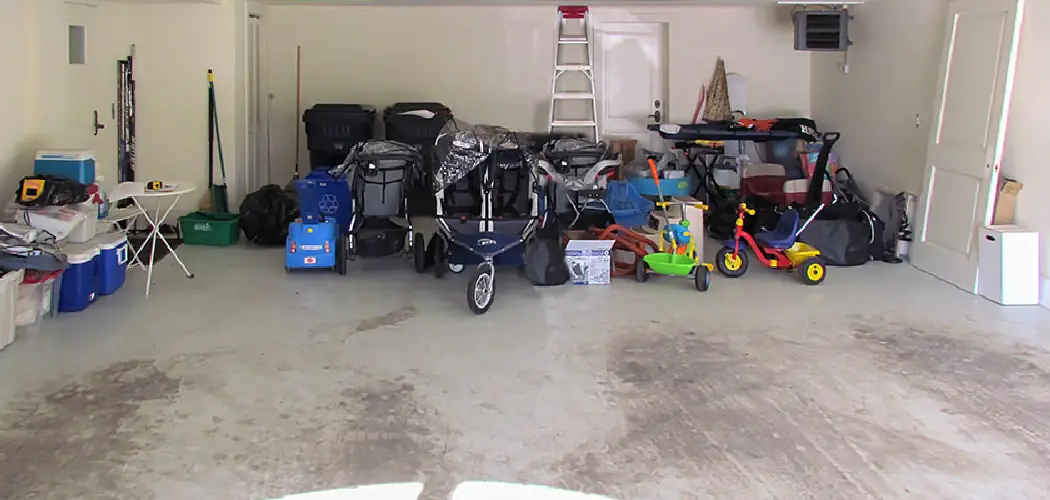
A roof box is an incredible accessory for road trips and outdoor adventures, providing much-needed cargo space for everything from skis to camping gear. But what happens when the vacation is over? These large, bulky items can quickly become a garage nuisance, taking up valuable floor space and getting in the way of cars and daily activities.
Storing them improperly can also lead to scratches, warping, or damage, shortening the life of your investment. The key is to find a storage solution that is both space-efficient and safe for the roof box itself. Figuring out how to store roof box in garage spaces effectively often means looking up, utilizing wall space, or finding a secure spot on the floor. This guide will explore several practical methods to help you reclaim your garage while keeping your cargo carrier in top condition for your next adventure.
A roof box is an essential accessory for travelers, offering extra storage and convenience during trips. However, when it’s not in use, finding the right way to store it can be a challenge, especially if garage space is limited. Proper storage not only helps maximize your garage space but also ensures the roof box remains in great condition, ready for your next adventure.
How to Store Roof Box in Garage: A Step-by-Step Guide
Step 1: Empty and Thoroughly Clean the Roof Box
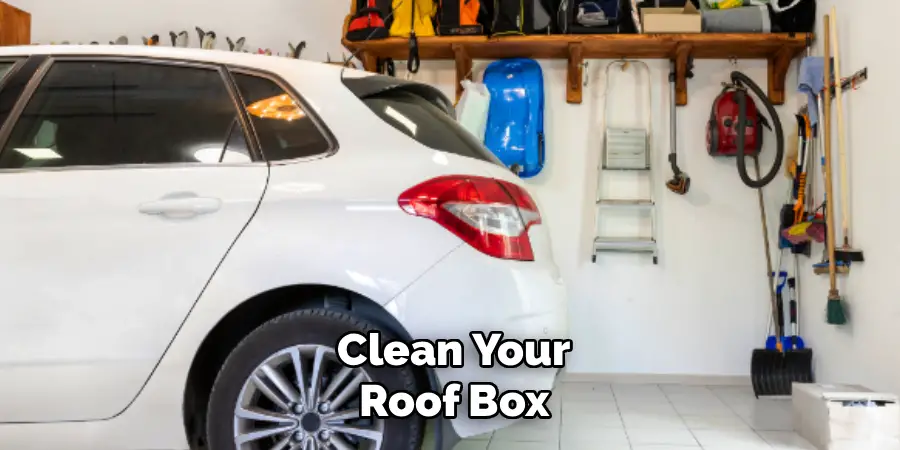
Before you even think about storage, the first step is to completely empty and clean your roof box. Remove any lingering gear, straps, or debris from the inside. Use a vacuum to get rid of dust, dirt, and crumbs. Next, wash the exterior and interior with a mild soap and water solution, just as you would wash your car. This removes road grime, bug splatters, and bird droppings that can damage the finish over time. Pay special attention to the locking mechanisms and hinges, ensuring they are free of grit. Once clean, dry the box completely with a soft microfiber cloth. Storing a damp or dirty roof box can lead to mold, mildew, and corrosion of metal parts.
Step 2: Choose a Hoist System
One of the most popular and space-saving solutions is to suspend the roof box from the ceiling. A garage hoist or lift system is specifically designed for this purpose. These systems consist of a network of pulleys, straps, and a crank or motor that allows you to effortlessly lift the heavy box up and out of the way. This method utilizes the empty vertical space above your car, keeping your floor completely clear. When selecting a hoist, ensure it has a weight capacity that far exceeds the weight of your empty roof box. A quality hoist system not only makes storage easy but also simplifies the process of mounting the box back onto your car.
Step 3: Install the Hoist
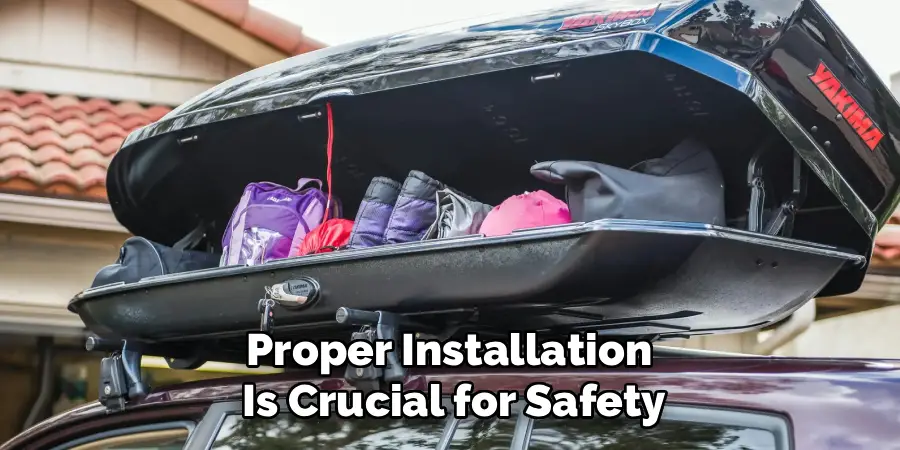
Proper installation is crucial for safety. Begin by locating the ceiling joists in your garage using a stud finder; you must anchor the hoist system directly into these sturdy wooden beams. Do not mount it only to the drywall. Mark the joist locations according to the hoist manufacturer’s instructions, ensuring the spacing aligns with the size of your roof box. Securely fasten the pulley brackets to the joists using the provided hardware. Thread the ropes or straps through the pulleys and attach the lifting harness. Double-check that all connections are secure before attempting to lift any weight. Following the installation guide precisely is paramount to prevent the box from falling.
Step 4: Consider Wall-Mounted Storage
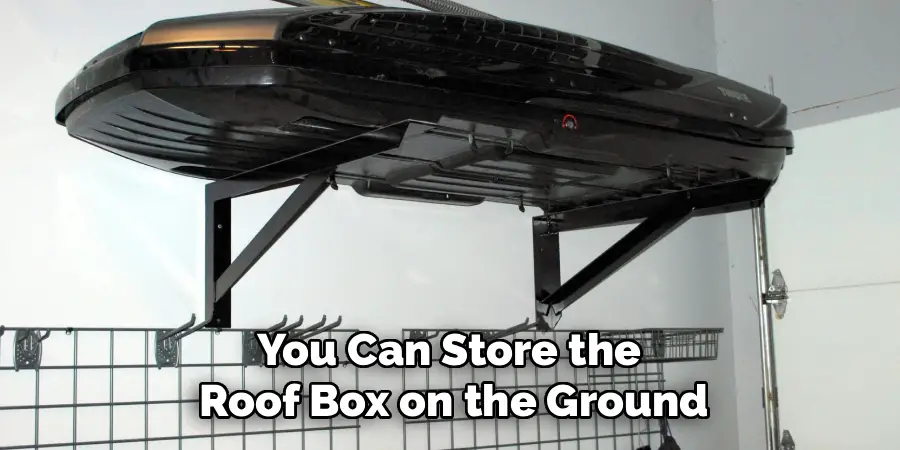
If a ceiling hoist isn’t feasible for your garage, wall mounting is another excellent space-saving option. This method involves installing a set of sturdy wall brackets or a specialized rack to hold the roof box on its side. This keeps it off the floor and tucked neatly against a wall. Look for heavy-duty J-hooks or storage racks that are rated for significant weight. When installing, you must mount the brackets directly into the wall studs for maximum support. This method is ideal for garages with high ceilings where a hoist might be impractical or for those who prefer not to suspend heavy objects overhead.
Step 5: Explore Secure Floor Storage Options
If you have ample floor space or if ceiling and wall mounting are not options, you can store the roof box on the ground. However, you should never place it directly on a hard concrete floor, as this can cause scuffing and scratches. The best practice is to lay down a soft, protective barrier first, such as a piece of old carpet, a foam mat, or even flattened cardboard boxes. This cushions the box and protects its finish. Store the box in an area with low foot traffic, such as along a back wall or in a corner, to minimize the risk of it being bumped or knocked over.
Step 6: Cover the Roof Box for Protection
Regardless of which storage method you choose, it is always a good idea to cover your roof box. Even inside a garage, the box is exposed to dust, moisture, and potential scratches from nearby activities. You can use the original storage cover that may have come with the box, or you can purchase a dedicated roof box cover. In a pinch, a simple tarp or an old blanket will also work. Covering the box protects its glossy finish from dust and dirt, prevents spiders and insects from making a home inside, and shields it from accidental scrapes, ensuring it looks great for your next trip.
Step 7: Secure the Box and Lock It
The final step is to ensure the box is secure. If it is suspended from a hoist, double-check that the safety locks on the system are engaged. If it is on a wall rack, make sure it is seated firmly and cannot be easily dislodged. For floor storage, position it so it is stable. Finally, close and lock the roof box itself. This prevents the lid from accidentally popping open and keeps the interior clean and free of pests. Locking it also ensures that any internal mounting hardware or straps stored inside remain secure until you need them again, completing the process of how to store your roof box in the garage.

Frequently Asked Questions
Is It Better to Store a Roof Box on the Ceiling or the Wall?
Both are excellent options, and the best choice depends on your garage layout.
- Ceiling Hoist: This is the ultimate space-saver, as it uses the often-wasted vertical space above your car, leaving floors and walls completely free. It is ideal for active garages.
- Wall Mount: This is a great alternative if your ceiling is too low or cluttered with lights and garage door openers. It keeps the box off the floor but does take up wall space.
Can I Store My Roof Box Outside?
It is strongly recommended that you do not store your roof box outside for extended periods. The materials, while durable, are not designed for constant exposure to the elements. UV rays from the sun can cause the plastic to become brittle and fade, while extreme temperature fluctuations and moisture can damage the seals and locking mechanisms. Storing it in a garage provides crucial protection.
Should I Store the Roof Box on Its Side or Flat?
If you are using a wall mount, storing the box on its side is perfectly fine and is often the most space-efficient way. If you are using a hoist or storing it on the floor, it is best to keep it in its natural, flat orientation. The most important thing is to ensure it is supported evenly to prevent the plastic from warping or deforming over time.
What Is the Best Way to Lift a Heavy Roof Box onto a Hoist?
Most hoist systems are designed to make lifting easy. You can place the roof box on top of your car, slide the hoist straps underneath it, and then simply crank the handle to lift it directly off the roof rack. This eliminates the need for any heavy manual lifting. When it is time to use it again, you just lower it back down onto the car.
How Do I Find the Joists in My Garage Ceiling?
Finding the joists is critical for a secure installation. The easiest way is to use an electronic stud finder, which will beep or light up when it detects the dense wood beam behind the drywall. You can also try tapping on the ceiling and listening for a solid, non-hollow sound. Joists are typically spaced 16 or 24 inches apart, so once you find one, you can usually measure to find the next.
Conclusion
A roof box is a fantastic investment for expanding your vehicle’s carrying capacity, but its usefulness shouldn’t be overshadowed by the headache of storing it. By taking a strategic approach to your garage layout, you can easily find a home for your cargo carrier that is safe, secure, and out of the way. Whether you choose the ultimate space-saving convenience of a ceiling hoist, the simple utility of wall brackets, or a designated spot on the floor, proper storage protects your gear from damage and keeps your garage functional. Now that you have a clear understanding of how to store roof box in garage, you can implement a solution that works for you, ensuring your gear is ready to go whenever adventure calls.

I am Rick. I grew up helping my dad with his handyman service. I learned a lot from him about how to fix things, and also about how to work hard and take care of business. These days, I’m still into fixing things- only now, I’m doing it for a living.
I’m always looking for new ways to help people grow and develop. That’s why I have created this blog to share all my experience and knowledge so
that I can help people who are interested in DIY repair.