
When a storm threat passes, a collective sigh of relief is felt throughout the community. But for homeowners, the work isn’t over. Taking down heavy, awkward hurricane shutters is a chore, and finding a place to put them for the next nine months can be even more challenging.
All too often, these vital pieces of protective equipment are simply leaned against a garage wall, where they become a cluttered, tripping hazard that’s difficult to sort through when the next storm watch is issued. Proper storage not only reclaims valuable garage space but also protects your investment, preventing damage and ensuring a quick, organized installation next season. This guide provides a clear, practical method for how to store hurricane shutters in garage, turning chaos into organized calm.
Storing hurricane shutters properly is an essential step in maintaining their functionality and ensuring your safety during storm season. When left unorganized, shutters can easily become damaged or lost, which could leave you unprepared when a hurricane is approaching. By adopting a systematic approach to storage, you can protect your equipment and make it easily accessible when you need it the most. With just a few steps and some simple solutions, you can transform your garage into a well-organized space tailored for storm preparedness.
How to Store Hurricane Shutters in Garage: A Step-by-Step Guide
Step 1: Clean and Dry Each Panel Thoroughly
Before you even think about storage, you must clean your shutters. After a storm, they are covered in salt, dirt, and other corrosive debris. Lay the panels on a driveway or lawn and use a garden hose to give them a thorough rinse. For stubborn grime, use a soft-bristled brush and a mild soap-and-water solution, then rinse again. The most critical part of this step is to let them dry completely. Storing metal panels while they are wet is a recipe for rust and corrosion. Storing damp fabric shutters can lead to mold and mildew. Stand them up against a wall in the sun or wipe them down with old towels to ensure every drop of moisture is gone before they go into storage.

Step 2: Label Every Shutter and Its Hardware
This step is the single most important action you can take to eliminate future frustration. During the takedown process, use a permanent marker to label each panel with its corresponding window or door. A simple code like “LRW1” (Living Room Window 1) or “MBR” (Master Bedroom) works perfectly. Place all the specific bolts, wingnuts, and washers for that panel into a small, clearly labeled zip-top bag. You can either tape this bag directly to its corresponding panel or create a master organizer box with divided sections for each window’s hardware. This labeling system transforms a frantic, puzzle-solving nightmare into a calm, systematic installation when the next storm approaches.
Step 3: Choose Your Storage Style
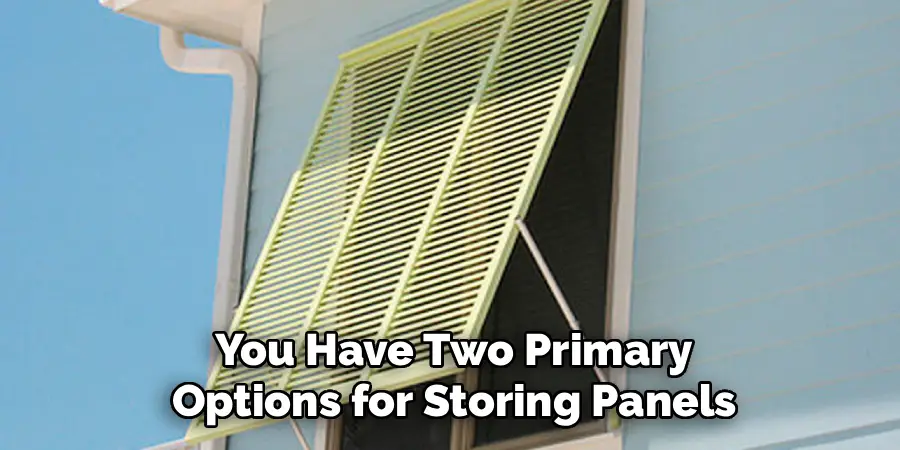
You have two primary options for storing panels: horizontal or vertical. Stacking them horizontally on the floor is the easiest method but consumes a significant amount of valuable floor space in your garage. A much more efficient solution is to store them vertically. You can lean them against a wall, but this can be unstable. A better approach is to build or buy a dedicated storage rack. This keeps the panels upright, organized, and uses minimal floor space. Vertical storage also makes it much easier to pull out a single panel without having to unstack the entire pile, which is a major advantage.
Step 4: Building a Simple DIY Vertical Storage Rack
Creating a dedicated rack is a fantastic weekend project and a smart solution for how to store hurricane shutters in garage. A simple and effective design involves mounting two parallel 2×4 boards horizontally along your garage wall studs. The bottom board should be about six inches off the floor, and the top board should be about three to four feet higher. Then, screw long, heavy-duty lag bolts or wooden dowels into the 2x4s, pointing outwards, spaced about six to eight inches apart. This creates a series of large “combs” or slots that you can slide your labeled panels into, keeping them separated, upright, and secure against the wall.
Step 5: Use Wall Space
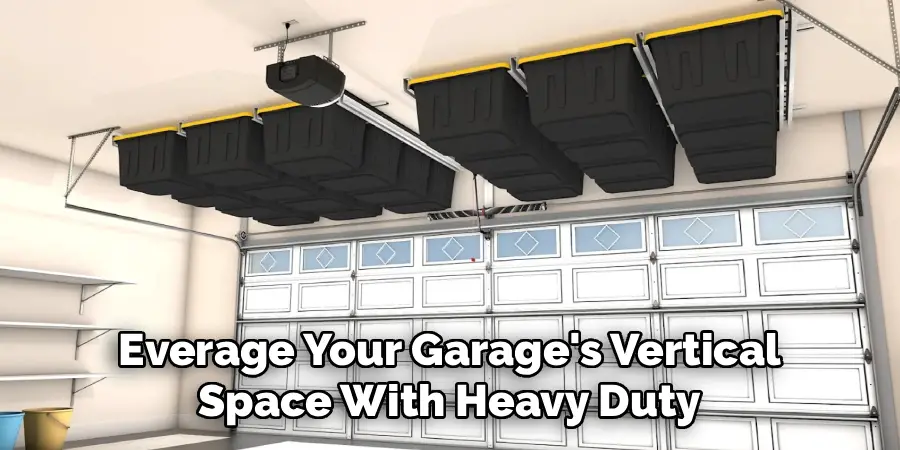
If building a rack isn’t for you, leverage your garage’s vertical space with heavy-duty wall-mounted shelving or hooks. You can purchase robust storage racks designed for lumber or sports equipment that work perfectly for hurricane panels. Install these racks high up on the wall, above the height of your car’s hood, to keep the shutters completely out of the way. You can then stack the panels horizontally on these shelves. This method is excellent for reclaiming your floor space entirely. Just ensure the shelves are properly anchored into wall studs and are rated to handle the significant weight of all your panels combined.
Step 6: Cover the Stored Shutters
Once your shutters are cleaned, labeled, and neatly stacked in their designated spot, the final storage step is to cover them. This protects them from the dust, dirt, and moisture that are ever-present in a garage environment. A simple canvas drop cloth or an old tarp works perfectly. Draping a cover over the stack prevents spiders from making homes in the crevices and keeps the panels clean and ready for immediate deployment. This small action ensures that when you need them, they are in the same pristine condition as when you put them away, saving you from having to clean them all over again before installation.
Step 7: Organize and Store the Hardware Centrally
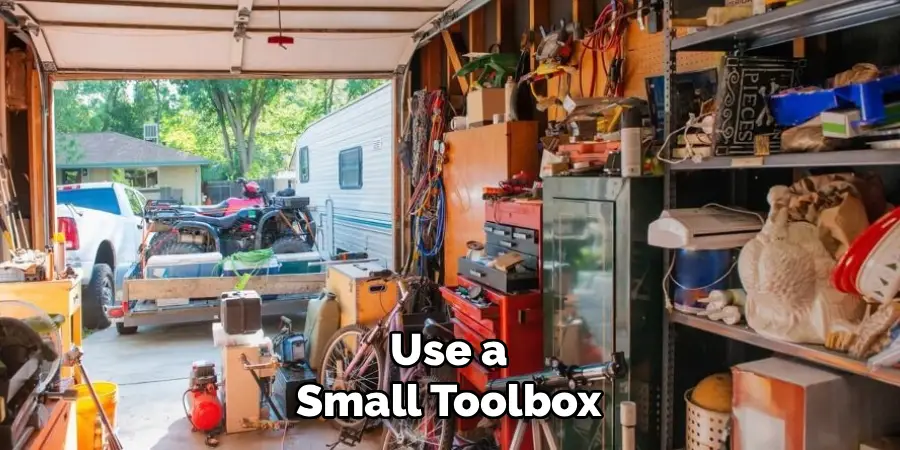
While taping hardware bags to each panel is a good method, creating a central hardware “command center” is even better. Use a small toolbox or a divided parts organizer. Dedicate one compartment for each window’s hardware, using the same labeling system you wrote on the panels. This keeps all the small, easy-to-lose pieces in one secure, portable location. When it is time to install, you can grab your single hardware box and your drill, knowing everything you need is in one place. Store this box on a shelf near your shutter rack for a completely integrated and stress-free storm preparation system.
Frequently Asked Questions
What Is the Best Way to Label Hurricane Shutters?
The most durable method is to use a permanent marker directly on the panel. Write the window’s location (e.g., “Kitchen Window”) on the edge or back of each panel. For hardware, use small zip-top bags and label them with the same marker. To be extra safe, you can also use paint markers or engraved tags for a label that will never fade or rub off over time.
Can I Store My Shutters Outside?
It is highly discouraged to store hurricane shutters outside. Exposure to constant sunlight, rain, and humidity will drastically shorten their lifespan. UV rays can make plastic components brittle, moisture will cause metal panels to rust and corrode, and temperature fluctuations can warp them. Storing them inside a dry, protected space like a garage or shed is essential for protecting your investment.
Is It Better to Store Shutters Horizontally or Vertically?
Vertical storage is almost always the superior method.
- Space: It takes up significantly less floor space in your garage.
- Accessibility: It allows you to easily access individual panels without having to unstack a heavy pile.
- Airflow: It promotes better air circulation around the panels, reducing the risk of trapped moisture.
Horizontal stacking is acceptable if you have ample space, but a vertical rack is a more efficient and organized solution.
How Do I Keep Track of All the Bolts and Wingnuts?
The best way is to use the “bag-and-tag” method. Immediately after removing the hardware from a window, place all of it—every bolt, washer, and wingnut—into a single zip-top bag. Label that bag with the corresponding window’s name. You can either tape this bag to the panel it belongs to or place it in a central, compartmentalized toolbox dedicated solely to shutter hardware.
How Much Weight Can Garage Walls Hold for Storage Racks?
When installed correctly, your garage walls can hold a significant amount of weight. The key is to anchor your storage racks directly into the wooden wall studs, not just the drywall. A single lag screw properly installed into a stud can hold over 100 pounds. When you distribute the weight of the shutters across multiple studs using a well-built rack, you can safely store even the heaviest steel panels.
Conclusion
Properly storing your hurricane shutters is a crucial, yet often overlooked, aspect of storm preparedness. It is a task that pays dividends in peace of mind and efficiency. Taking the time to clean, dry, and meticulously label each panel and its hardware transforms a frantic pre-storm scramble into a calm, orderly process. By utilizing your garage’s vertical space with a DIY or commercial rack, you not only protect your shutters from damage but also reclaim your garage for its everyday use. Now that you have a clear plan on how to store hurricane shutters in garage, you are empowered to create a system that ensures your home’s first line of defense is always organized, protected, and ready for action at a moment’s notice.

I am Rick. I grew up helping my dad with his handyman service. I learned a lot from him about how to fix things, and also about how to work hard and take care of business. These days, I’m still into fixing things- only now, I’m doing it for a living.
I’m always looking for new ways to help people grow and develop. That’s why I have created this blog to share all my experience and knowledge so
that I can help people who are interested in DIY repair.