
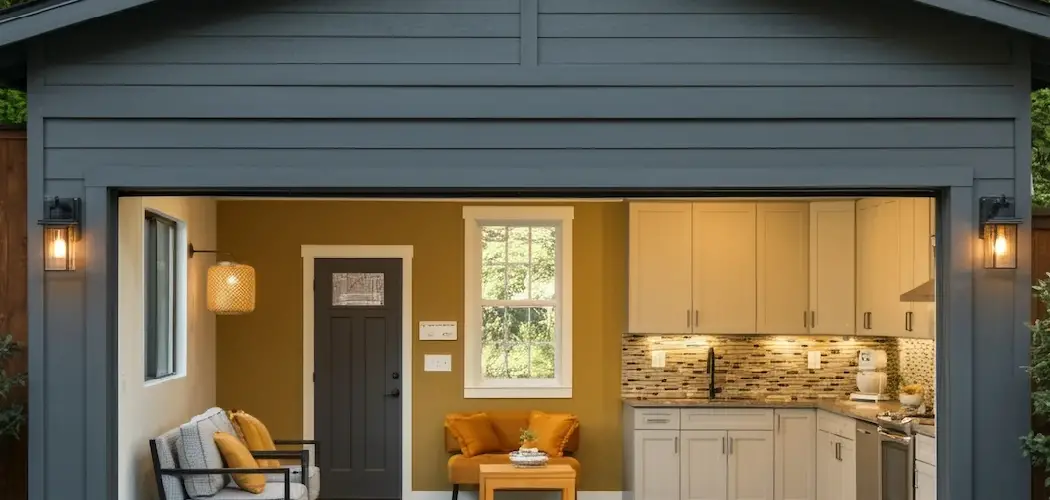
Converting your garage into a living space is an effective way to maximize your home’s square footage without the major expense of building an addition. Many homeowners are drawn to this idea, motivated by the need for more room—an office, guest suite, or family den—without sacrificing the outdoor space or committing to a full-scale remodel. However, while a garage conversion brings exciting opportunities, the process is complex and must be undertaken legally. The legal aspects are not just about permits and paperwork; they underpin the safety, comfort, and long-term value of your home. This guide unpacks everything you need to know about how to legally convert garage to living space, with a focus on permits, building codes, and each step of the construction process, so you can move forward with confidence.
Why a Legal Conversion Matters: The Risks of Unpermitted Work
Before diving into the design details, it’s crucial to understand why following the legal route for your garage conversion is not optional—it’s essential. Unpermitted work can have severe repercussions that reach far beyond paperwork.
Safety Hazards
Building codes exist for good reason. They address essential elements like fire prevention, structural integrity, and adequate ventilation. Ignoring these standards doesn’t just put your investment at risk but can also compromise the safety of everyone who enters your new space.
Fines and Penalties
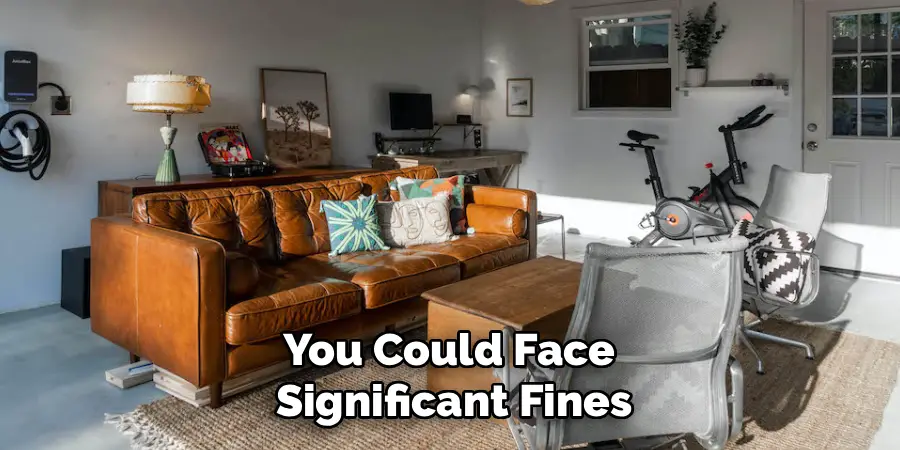
If city inspectors discover your unpermitted garage conversion, you could face significant fines. In many places, you might even receive a “tear-down” order that requires you to undo all your hard work and restore the space to its original state.
Insurance and Resale Complications
Insurance companies often decline to cover damage originating from unpermitted conversions. Furthermore, if you try to sell your home, any living space created without permits usually cannot be counted toward your home’s listed square footage, impacting your property’s value and marketability.
The First Step: Researching Local Zoning and Building Codes
The journey to legally convert a garage to living space starts well before any demolition or construction. Taking time to research and understand your municipality’s requirements can save a great deal of trouble later and is an indispensable part of every successful conversion.
Understanding Zoning Regulations
Every property is subject to zoning laws that dictate allowable uses and structures. Contact your local planning or zoning department to confirm that garage conversions are permitted in your zone. Some neighborhoods or homeowners’ associations (HOAs) also have their own rules that could affect your plans.
Investigating Parking Requirements
Many cities require a certain number of off-street parking spaces per residence. If you lose your garage parking by converting the space, you may have to add a carport or parking pad elsewhere on your lot to remain compliant.
An Introduction to Building Codes
On top of zoning, local and national building codes—such as the International Residential Code (IRC)—set minimum standards for all habitable rooms. Requirements address ceiling height, emergency egress (window size and accessibility), insulation, lighting, electrical outlets, and more. Knowing these codes from the outset will help you design a space that passes inspection.
Essential Pre-Construction Planning
Thoughtful planning is the key to a smooth and approved garage conversion process. This phase is all about preparation—enlisting the right professionals, budgeting wisely, and ensuring every detail aligns with local codes.
Hiring an Architect or Draftsperson
Permit applications usually require detailed plans, so it’s wise to hire an architect or draftsperson with local experience. Not only will they draw up your layout, but they can also offer creative solutions to tricky code requirements.
Creating a Detailed Budget
Estimate your costs with care, accounting for more than just materials. Beyond construction supplies, include permit fees, design services, and a contingency fund for surprises—old garages often hide unexpected issues behind the walls or under the slab.
Choosing a Qualified Contractor
A licensed and insured contractor ensures the job runs smoothly and all work complies with legal requirements. Ask for references, check credentials, and choose someone with specific experience in garage conversions.
Step-by-Step Guide on How to Legally Convert Garage to Living Space
Navigating a legal garage conversion involves sequenced steps, each of which must be handled thoroughly for your space to pass inspection and become a fully recognized part of your home.
Step 1: Finalize Your Plans and Submit for a Building Permit
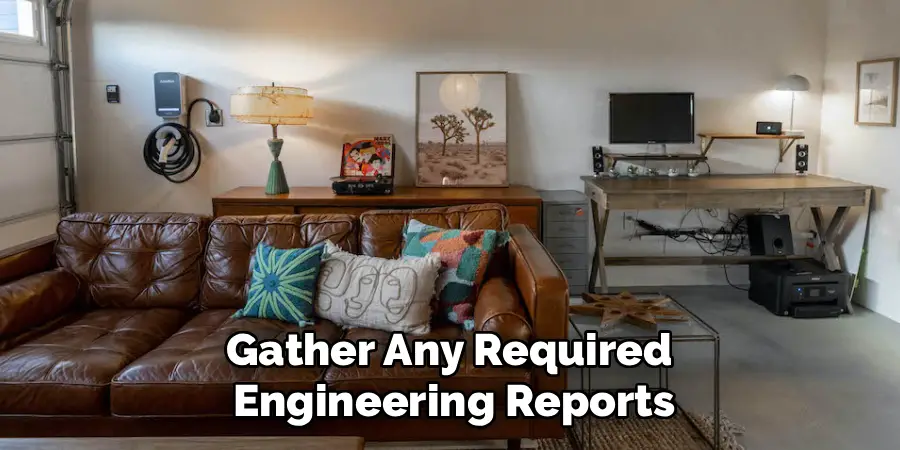
Work with your architect to produce complete construction drawings, and gather any required engineering reports if you’re making structural changes. Submit these documents with your permit application to the building department. Remember: construction must not begin until you have official approval.
Step 2: Address the Foundation and Flooring
Most garages have a concrete slab lower than the main house floor. Raising the slab level and installing a moisture barrier are standard code requirements for habitable rooms. This step helps create a consistent, comfortable floor level and protects against dampness.
Step 3: Frame, Insulate Walls, and Add Drywall
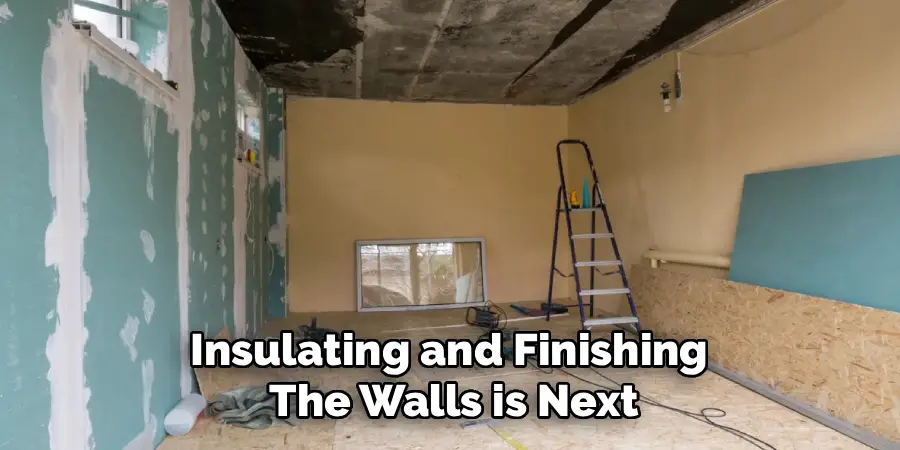
Insulating and finishing the walls is next. New walls—especially along the garage’s exterior—must meet energy code standards for your climate. Interior walls and ceilings are framed, insulated, and then covered with drywall to create a comfortable, conditioned space.
Step 4: Install Code-Compliant Windows and Doors
All living spaces must have sufficient windows for natural light and ventilation. If you’re converting the garage into a bedroom, egress windows are mandatory—they must meet minimum size and accessibility standards to provide an emergency escape. In most projects, the old garage door will be removed and replaced with a framed wall and new windows or doors.
Step 5: Run Electrical, Plumbing, and HVAC
This work should be handled by licensed professionals. Outlets must be spaced according to the electrical code and include dedicated circuits for major appliances if needed. Converting to a living space may involve extending plumbing lines for a bathroom or kitchenette and ensuring proper venting. Heating and cooling can generally be supplied by extending your home’s system or installing an efficient mini-split unit.

Step 6: Schedule Required Inspections
Your local building department will schedule inspections at several stages—after framing, after rough-in of electrical and plumbing, and before drywall is closed up. The inspector verifies that all work so far meets code. Failing an inspection can mean delays and costly corrections, so it pays to do the job right at each phase.
Step 7: Complete Finishing Work and Schedule the Final Inspection
Once walls are closed and decorated, flooring is installed, and fixtures are mounted, one final inspection remains. Passing this step signifies your conversion meets all requirements. The permit can then be officially closed, and a Certificate of Occupancy is issued.
Key Code Requirements You Can’t Ignore
Among the many codes that apply, a few crucial requirements deserve special attention if you want to legally convert a garage to living space.
Ceiling Height
Habitable spaces must usually have ceilings at least 7 feet—some regions require 7 feet 6 inches. Carefully measure your garage and, if necessary, plan for adjustments.
Light and Ventilation
Most codes require windows to provide a set percentage of natural light and ventilation relative to the room’s square footage. Inadequate provision not only makes a space uncomfortable but also results in failed inspections.
Fire Safety
Modern codes require interconnected smoke and carbon monoxide detectors in all living spaces, with placement and number determined by your home’s floor plan. Proper fire-blocking, safe wiring routes, and fire-rated materials may also be required along former shared garage walls.
Financing Your Legal Garage Conversion
Secured Financing Options
Financing a permitted garage conversion is typically more straightforward than financing an unpermitted addition. Many homeowners take advantage of home equity loans, home equity lines of credit (HELOC), or opt for cash-out refinancing to fund the project. These options provide secure and accessible ways to convert your garage into a legal, functional space.
Benefits of Permitted Conversions
One of the key advantages of opting for a fully permitted garage conversion is the ease of securing financing. Permitted projects enhance your property’s value, offering peace of mind that your investment is both safe and likely to yield long-term returns. This added value can make loan approval processes smoother, as lenders often see permitted upgrades as a mark of reliability and a financial growth opportunity.
Life After Conversion: Updating Your Home’s Records
After the final inspection and issuance of a Certificate of Occupancy, make sure the local assessor’s office updates your property record. This ensures the new living space is officially included in your home’s square footage and valuation, which is especially advantageous during resale.
Conclusion
Successfully navigating how to legally convert garage to living space hinges on strict attention to permitting, regular inspections, and close adherence to building codes. These steps are not just bureaucratic hurdles—they’re critical to ensuring your new room is safe, livable, and protected by insurance.
By prioritizing compliance at every stage, homeowners protect their investment, ensure their family’s safety, and add real value to their property. Approach the process methodically and, with the right planning, you’ll be able to enjoy a fully legal, comfortable, and stylish new living space for years to come.

I am Rick. I grew up helping my dad with his handyman service. I learned a lot from him about how to fix things, and also about how to work hard and take care of business. These days, I’m still into fixing things- only now, I’m doing it for a living.
I’m always looking for new ways to help people grow and develop. That’s why I have created this blog to share all my experience and knowledge so
that I can help people who are interested in DIY repair.