
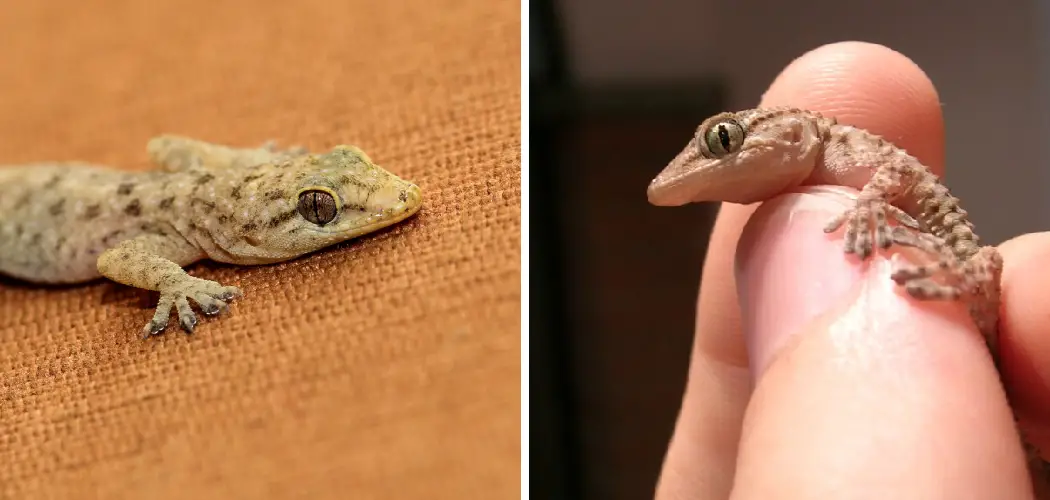
Finding a small gecko skittering across your garage wall can be a surprising sight. While these small lizards are completely harmless to humans and are actually beneficial creatures that prey on spiders and insects, their presence inside your garage can be unsettling.
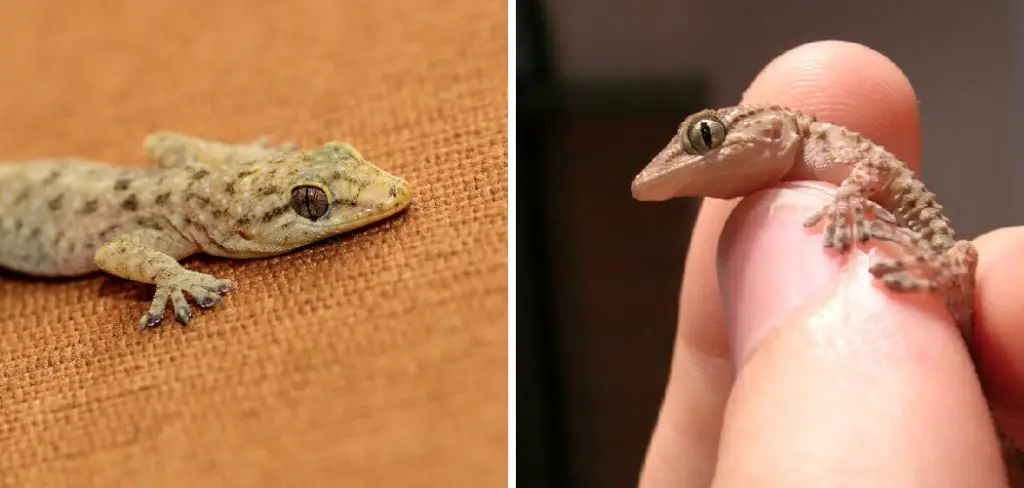
From the tiny, dark droppings they leave behind to the startle of seeing one dart behind a workbench, many homeowners would simply prefer that these critters stay outdoors where they belong. The good news is that you do not have to resort to harmful chemicals or expensive pest control services to solve the problem.
This article will serve as a comprehensive and humane guide to making your garage an unattractive and inaccessible place for geckos. Learning how to keep geckos out of garage spaces is not about eradication, but about prevention. It involves understanding what draws them in and then systematically removing those attractants. By following a few key strategies focused on eliminating their food source, reducing shelter, and sealing up entry points, you can effectively and permanently encourage them to live elsewhere.
Understanding Geckos: Why Is My Garage So Appealing?
To effectively deter geckos, it is essential to first understand why they are drawn to your garage. A gecko does not wander into your garage by accident; it does so because the environment provides for its three basic needs: food, shelter, and water. By addressing these attractants, you can make your garage a far less appealing destination.
The Abundant Food Source
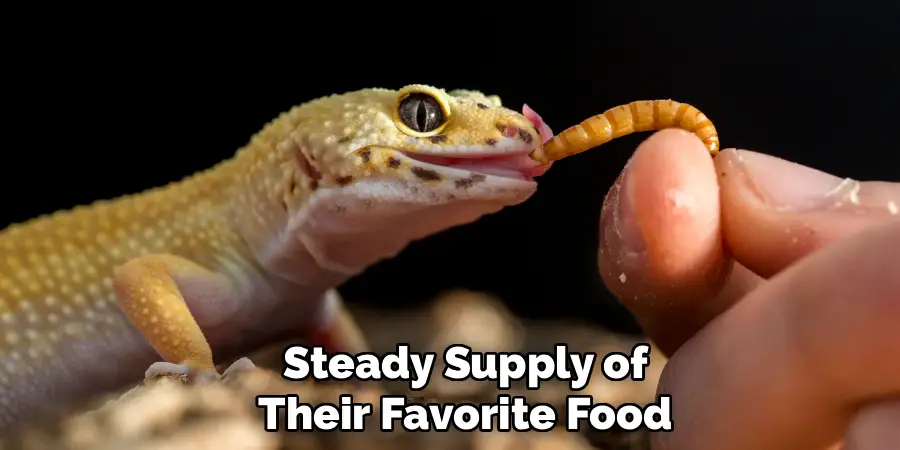
The number one reason you have geckos in your garage is that you also have a steady supply of their favorite food: insects. Garages are often magnets for spiders, moths, crickets, roaches, and other small crawling and flying bugs. For a gecko, this is an all-you-can-eat buffet. They are incredibly effective predators, and if your garage provides a reliable food source, they will see no reason to leave. The presence of geckos is often a strong indicator of an underlying insect problem.
Shelter and Hiding Places
Geckos are small, vulnerable creatures that need places to hide from predators like birds, snakes, and even domestic cats. Your garage offers an abundance of perfect hiding spots. The clutter that accumulates in most garages—piles of cardboard boxes, stacks of firewood, old equipment, and general storage—provides the dark, tight spaces where geckos feel safe. Wall voids, the space behind workbenches, and cluttered shelving units all serve as ideal homes for them to rest during the day and evade danger.
Access to Water
Like all living things, geckos need water to survive. While they get some moisture from the insects they eat, they are also drawn to direct water sources. This does not have to be a large puddle. A small leak from a pipe, condensation on the cool concrete floor, a drip from an outdoor spigot near the garage door, or even a pet’s water bowl left in the garage can be enough to sustain a gecko population and the insects they feed on.
The First and Most Important Step: Eliminating Their Food Supply
The most effective long-term strategy for getting rid of geckos is to take away their food. If your garage no longer offers a reliable source of insects, the geckos will naturally move on to better hunting grounds. This is the cornerstone of any successful gecko prevention plan.
Managing Your Garage Lighting
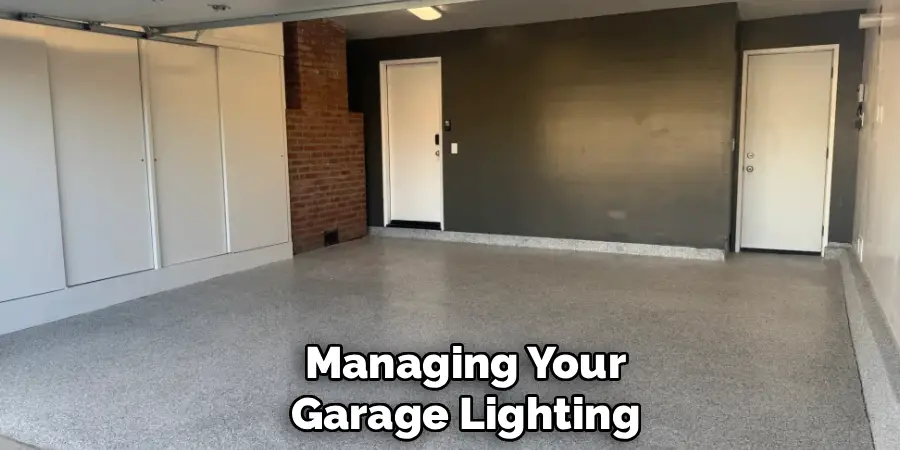
One of the biggest insect attractants is your garage lighting. Standard bright white light bulbs, especially those left on at night, act like a massive beacon for moths, beetles, and other flying insects. These bugs then become an easy meal for geckos waiting nearby. A simple but highly effective change is to switch your exterior and interior garage light bulbs to yellow “bug lights.” These bulbs emit a wavelength of light that is far less visible and attractive to most insects, significantly reducing the number of bugs drawn to your garage area.
Basic Insect Control Measures
Beyond lighting, you should take basic steps to control the crawling insects that geckos love to eat. You can set out sticky traps along the walls and in corners to catch spiders, crickets, and roaches. Be diligent about cleaning up any food sources that might attract insects in the first place, such as crumbs, spilled pet food, or open bags of birdseed.
If you have a significant insect problem, you may consider using a residual insecticide spray labeled for indoor/outdoor use around the perimeter of the garage, paying special attention to baseboards and entry points.
Natural and Humane Deterrents for Geckos
While eliminating their food source is the most critical step, some homeowners also find success with natural deterrents that make the area less inviting. These methods use scents that geckos reportedly find unpleasant, encouraging them to stay away.
Using Scents Geckos Dislike
Geckos, like many animals, have a sensitive sense of smell and are thought to be repelled by certain strong odors. You can try placing cotton balls soaked in peppermint oil in areas where you have seen geckos or near potential entry points.
Some people also have success spreading pungent spices like cayenne pepper or using coffee grounds along thresholds and in corners. These aromatic methods are not a standalone solution, but they can serve as an additional layer of deterrence in your overall strategy.
The Eggshell Myth and What Really Works
A widely circulated home remedy is to place broken eggshells around the garage, with the theory being that geckos mistake them for predator eggs and flee the area. It is important to note that there is no scientific evidence to support this claim, and it is largely considered a myth. Rather than relying on unproven methods, your time and effort are far better spent on the proven strategies of exclusion and sanitation. A clean, sealed garage is a much more effective deterrent than a few eggshells.
How to Keep Geckos Out of Garage: A Step-by-Step Sealing Strategy
Once you have made your garage less attractive on the inside, the most important step for long-term success is to physically block geckos from getting in. This process, known as exclusion, is the most permanent solution. Geckos can squeeze through incredibly small openings, so a thorough and detailed sealing strategy is essential.
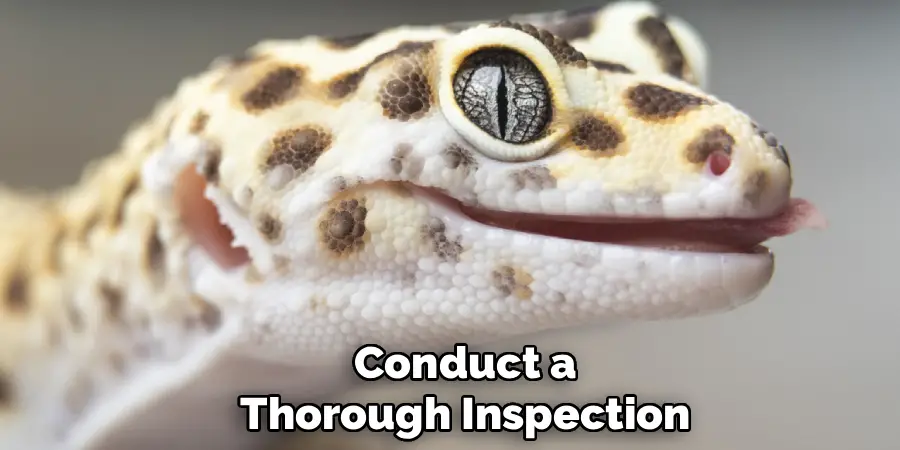
Step 1: Conduct a Thorough Inspection
To begin, you need to find every potential entry point. Arm yourself with a bright flashlight and conduct a slow, meticulous inspection of your garage from both the inside and the outside. Get on your hands and knees and examine the base of the walls where they meet the concrete slab. Look for any crack or gap, no matter how small you think it is. A small gecko can easily slip through a quarter-inch gap.
Step 2: Sealing Cracks and Gaps
Once you have identified the weak points, you need to seal them. For smaller cracks in the foundation, gaps in the siding, and spaces around where pipes, wiring, or air conditioning lines enter the garage, use a high-quality, outdoor-rated silicone caulk. For larger holes or gaps, expanding foam sealant is an excellent choice as it fills the void. Apply these sealants carefully to create an impenetrable barrier.
Step 3: Check and Repair Window and Vent Screens
Geckos are excellent climbers and can easily scale your walls to access higher entry points. Go around and inspect all the screens on your garage windows and any vents. Even a tiny rip or a small gap where the screen meets the frame is a potential doorway for a gecko. Repair any tears with a screen patch kit or, for more significant damage, replace the screening entirely with a new, fine-mesh material.
Step 4: Install and Maintain Weatherstripping
The large, main garage door is the single biggest potential entry point. The rubber seal, or weatherstripping, at the bottom of the door is designed to create a tight seal with the floor. Over time, this seal can become worn, cracked, or compressed, leaving gaps at the corners or along its length. If you can see daylight under your closed garage door, a gecko can get in. Replace the bottom seal. Additionally, check the vinyl weatherstripping that runs along the sides and top of the door jamb and replace it if it is damaged.
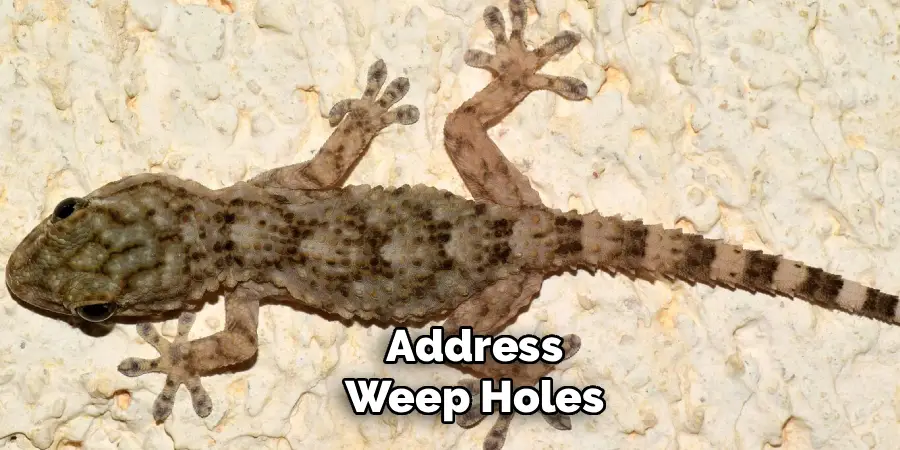
Step 5: Address Weep Holes
If your garage has a brick or stone veneer, you may have “weep holes.” These are small, intentional gaps left in the mortar joints near the bottom of the wall to allow moisture to drain out. While necessary for the health of the wall, they are open invitations for geckos and other pests. You can easily pest-proof them by inserting a small piece of stainless steel wool or a purpose-made, breathable weep hole cover into each opening. This allows moisture to escape but keeps pests from getting in.
Reducing Hiding Spots: The Power of Decluttering
A cluttered garage is a gecko paradise. By systematically reducing the number of hiding spots, you make the environment far less hospitable and force them to seek shelter elsewhere.
Getting Items Off the Floor
Piles of clutter on the floor provide the perfect, dark, and protected habitat for geckos and the insects they hunt. One of the most effective organizational changes you can make is to get everything off the floor. Install sturdy shelving units or wall-mounted cabinets to store your tools, gardening supplies, and other items. This not only eliminates hiding spots but also makes the floor much easier to sweep and keep clean.
Using Sealed Storage Containers
Cardboard boxes are one of the worst storage options for a garage. They absorb moisture, attract pests like roaches and silverfish (a gecko’s food source), and provide countless dark voids for hiding. Make a significant upgrade by switching to heavy-duty, sealed plastic storage totes. These containers protect your belongings from moisture and pests and, most importantly, offer no entry or hiding places for geckos.
Managing the Exterior Environment
The area immediately surrounding your garage is just as important as the inside. Creating a “buffer zone” can significantly reduce the number of geckos that even approach your garage.
Trimming Vegetation
Geckos are climbers, and they use overgrown vegetation as bridges to get onto your home’s structure. Take some time to trim back any bushes, vines, or tree branches that are touching or hanging over the walls and roof of your garage. Creating a clear space of at least a foot between plants and the structure will make it much harder for them to gain access.
Removing Debris and Woodpiles
Piles of firewood, leaves, compost, or other organic debris stacked against the garage wall are five-star hotels for geckos. They offer shelter, moisture, and a habitat for the insects they eat. Move any such piles at least 20 feet away from your house. Firewood should be stacked on a rack that keeps it elevated off the ground.
What to Do If You Find a Gecko Inside
Even with your best prevention efforts, you might occasionally find a gecko that has become trapped inside. It is important to remove it humanely.
The Cup and Card Method
This is a simple, classic, and effective trapping technique that causes no harm to the animal. When you find a gecko on a wall or floor, slowly approach it and place a clear cup or container over it. Then, carefully slide a stiff piece of paper, a thin piece of cardboard, or a junk mail flyer underneath the cup’s opening, trapping the gecko inside. You can then carry the container outside and release the gecko in your yard, preferably far away from the garage.
Conclusion
While geckos are beneficial predators in the garden, they do not belong in your garage. Fortunately, keeping them out does not require an arsenal of traps or chemicals. The most effective and permanent approach is a holistic one, focused on prevention rather than elimination.
By combining a diligent insect control strategy to remove their food source with a thorough sealing of all potential entry points, you create a powerful two-pronged defense.
When you supplement this with a commitment to reducing clutter and managing the exterior landscape, you systematically remove all the reasons a gecko would want to be in your garage in the first place. Knowing how to keep geckos out of garage spaces is about making simple but consistent changes that transform a hospitable environment into an unattractive one. This humane and practical approach will lead to a long-term, pest-free solution, allowing you to enjoy your garage without any unexpected, scaly visitors.

I am Rick. I grew up helping my dad with his handyman service. I learned a lot from him about how to fix things, and also about how to work hard and take care of business. These days, I’m still into fixing things- only now, I’m doing it for a living.
I’m always looking for new ways to help people grow and develop. That’s why I have created this blog to share all my experience and knowledge so
that I can help people who are interested in DIY repair.