
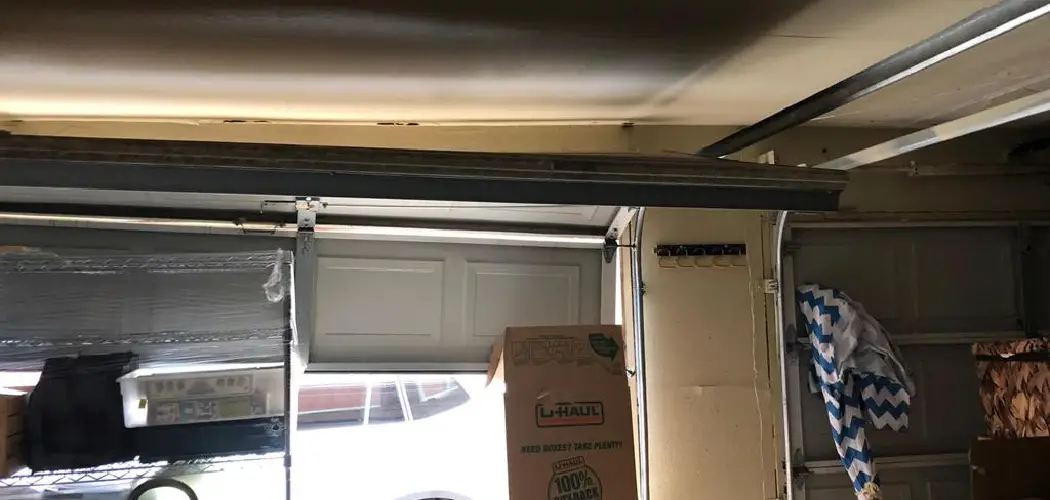
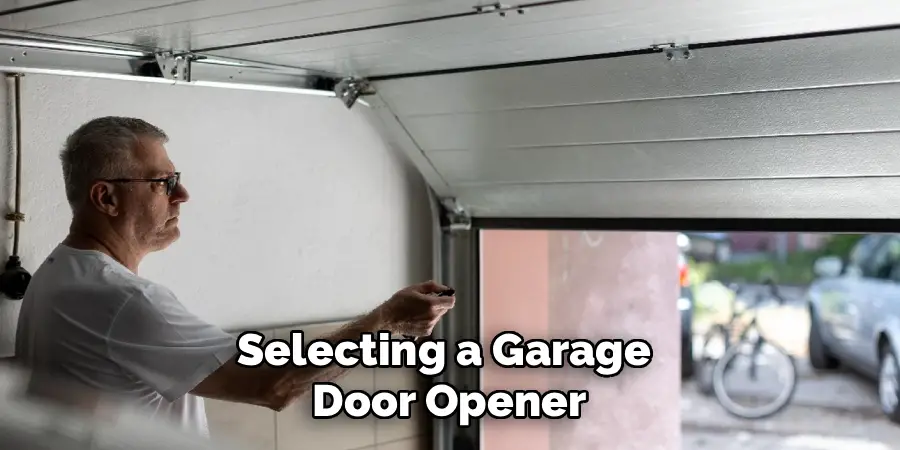
Choosing the right garage door opener can make your daily routines smoother and more convenient. Whether you’re looking to enhance security, streamline your home’s functionality, or simply replace an outdated model, it’s essential to understand your options and how each type serves different needs. Modern garage door openers offer a variety of features, from smart connectivity to different mechanical operations like chain drives and belt systems.
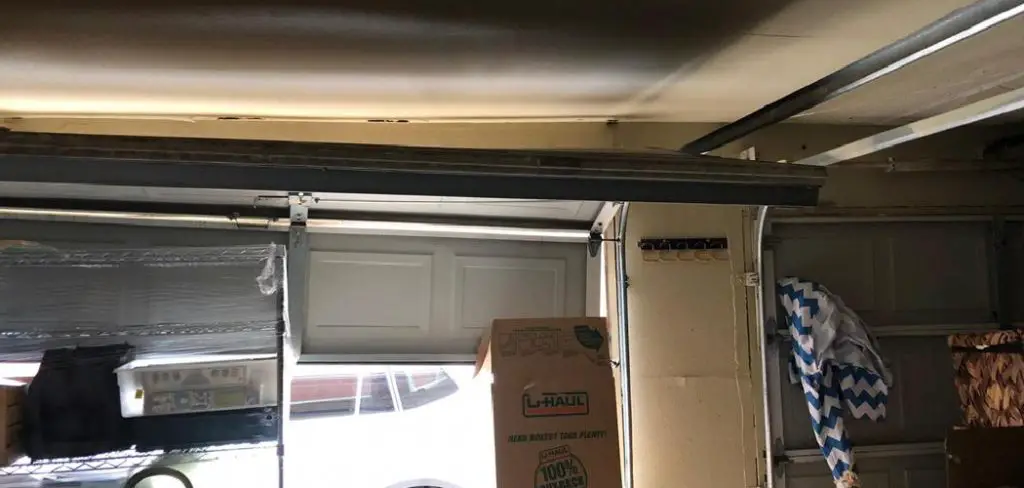
When selecting a garage door opener, consider the level of noise it produces, especially if the garage is attached to your home. Chain drive openers, while durable and cost-effective, tend to be louder compared to belt drive systems, which operate more quietly and are ideal for residential settings. Screw drive openers, on the other hand, offer a balance between power and noise but may require more frequent maintenance. Assessing the size and weight of your garage door is another crucial factor, as heavier doors may demand a more powerful motor for smooth operation. Additionally, explore advanced features like smartphone app integration, keyless entry, and battery backup systems to ensure the opener aligns with your lifestyle and security needs.
This guide will simplify the process for you, breaking it down step-by-step. By the end, you’ll know exactly how to choose a garage door opener that fits your requirements. Let’s start by understanding the key factors and features to consider when making your selection.
Why Understanding Garage Door Openers Matters
Garage doors serve as a significant entry point into homes, affecting both security and convenience. Choosing the wrong opener can lead to frequent breakdowns, noise issues, or even compromised safety. Better-informed decisions can save you money and repairs, while maximizing your home’s value.
Understanding the mechanics and features, such as motor types and compatibility with smart systems, helps you find an opener tailored to your home. A well-chosen garage door opener also ensures seamless daily functionality, whether you’re parking your car or bringing in groceries.
10 Step-by-Step Guide How to Choose a Garage Door Opener
Step 1: Measure Your Garage Door’s Size and Weight
Before selecting a garage door opener, it’s crucial to determine the size and weight of your garage door. Most residential doors are made of steel, wood, or aluminum, and their weight affects the type of motor you’ll need. Lighter single-car doors often require less horsepower, while heavier two-car doors or insulated garage doors may demand a more robust system.
Start by grabbing a tape measure and gauging the door’s dimensions (height and width). Check for material type and any additional features, such as windows, which add weight. These details will guide you in choosing the right power for your motor, ensuring smooth operation without overstressing the opener.
Step 2: Choose the Right Drive Type
Garage door openers typically come in three main drive options—chain drive, belt drive, and screw drive—all of which offer unique benefits. A chain-drive system is ideal for budget-conscious shoppers and heavier doors, though it operates with a noticeable noise level. Belt drives, on the other hand, run quieter but cost more, making them suitable for attached garages where silence is critical. If you live in a temperate climate and want a middle ground, consider a screw drive for its low maintenance and dependable performance.
Think about your priorities—quiet operation, durability, or cost-effectiveness—and align your choice with your home’s layout and tolerances for noise, especially if bedrooms are near the garage.
Step 3: Evaluate the Motor’s Horsepower
Garage door openers come with varying horsepower ratings, typically ranging from ½ HP to 1 ½ HP. Matching this power level to your door’s requirements is essential for longevity and reliable operation. A lightweight door usually functions well with a ½ HP motor. Meanwhile, heavier and insulated doors perform better with ¾ HP or higher.
Overpowering isn’t usually an issue, but underpowered motors struggle over time, leading to mechanical failure. Make horsepower one of your first considerations to ensure you avoid unnecessary repairs down the road.
Step 4: Consider Smart Connectivity Features
The rise of smart homes has made smart-enabled garage door openers highly popular. These systems connect to your Wi-Fi and allow you to control and monitor your garage door remotely through a smartphone app. Features often include activity notifications, remote locking/unlocking capabilities, and even integrations with voice assistants like Alexa or Google Home.

If convenience and security are high priorities for you, a Wi-Fi-enabled model is a great choice. Make sure the smart system also supports your preferred devices and offers user-friendly functionality.
Step 5: Think About Safety and Security Features
Modern garage door openers come equipped with advanced safety mechanisms, such as auto-reversing sensors, which prevent the door from closing if it detects an obstruction. Look for openers with rolling code technology, which generates a new code every time the door is accessed, preventing intruders from hacking the system.
Families with children or pets should prioritize auto-stop features for added peace of mind. Backup battery systems can also keep your garage functional during power outages, ensuring complete reliability.
Step 6: Factor in Noise Levels
If your garage is adjacent to living spaces or bedrooms, minimizing noise becomes a must. Belt-driven models are quieter compared to chain drives, making them ideal for these setups. Additionally, consider insulating your garage for further soundproofing, especially if you already own a noisier opener.
Test-drive friends’ or neighbors’ systems if possible to gauge the real-world difference before making an investment.
Step 7: Compare Energy Efficiency
Today’s market offers energy-efficient models that consume minimal standby power, helping you reduce utility costs. These openers often have LED lights, which last longer and are far more energy-efficient than traditional bulbs.

If sustainability and long-term cost savings are important to your household, prioritize this feature. Keep in mind that energy-efficient models often pair well with smart technology for advanced scheduling capabilities.
Step 8: Match with Garage Door Style and Design
Don’t overlook aesthetics. While garage door openers are more functional than decorative, choosing one that complements your home’s design is a welcome bonus. Sleek, low-profile models tend to work well in contemporary homes, while quieter openers may be a better match for homes with multi-level layouts.
Think of the garage door opener as the behind-the-scenes operator of an entryway that can significantly impact curb appeal.
Step 9: Check for Warranties and Local Support
Reliable warranties typically signal trustworthy brands. Look at what the manufacturer covers—whether it’s just parts or both parts and labor. Additionally, check for local service options. Being able to quickly access repairs or support makes all the difference in maintaining your opener’s lifespan.
Investing a little time in comparing warranties can shield you from unplanned expenses later.
Step 10: Stick to Budget Goals
With options ranging from under $200 to well above $800, garage door openers span a wide range of prices. Decide on a budget and evaluate which features are worth splurging on. While luxury models offer advanced options, even mid-range openers can offer excellent performance with the right balance of functionality and affordability.

Consider Professional Installation Benefits
Opting for professional installation can ensure your garage door opener is set up safely and correctly, saving you time and potential headaches. Trained technicians have the expertise to handle complex wiring, precise alignment, and proper mounting, reducing the risk of operational issues down the road. Additionally, a professional installation often includes a thorough safety check, ensuring the opener’s sensors, tracks, and controls meet industry standards. While it may cost more upfront, professional installation can enhance the longevity and reliability of your garage door system, offering peace of mind for years to come.
Professional installation provides peace of mind and ensures that your garage door opener is set up correctly and safely. Experienced technicians have the tools and expertise needed to handle complex installations, reducing the risk of errors or potential damage. Additionally, many professional services include warranties or guarantees, offering added protection if any issues arise after installation. While it may be tempting to tackle the job yourself, investing in professional installation can save you time and effort while ensuring long-term reliability.
Frequently Asked Questions
What type of garage door opener is best for a heavy door?
For a heavy garage door, such as a double-wide or insulated door, a model with at least ¾ HP is ideal. Opt for chain drives if durability and cost-effectiveness are your priorities. Belt drives can handle heavy doors as well, but at a higher price point and with quieter operation.
How do I maintain my garage door opener?
Regular maintenance includes:
- Lubricating moving parts every six months.
- Checking for loose hardware or screws.
- Testing the reverse safety mechanism monthly.
- Replacing worn-out batteries in the remote.
Annual inspections by professionals are recommended for thorough servicing.
Are smart garage door openers secure?
Yes, particularly models with rolling code technology, which changes the code after every use. Look for features like two-factor authentication and activity logs via a dedicated smartphone app for best results.
Can I install a garage door opener myself?
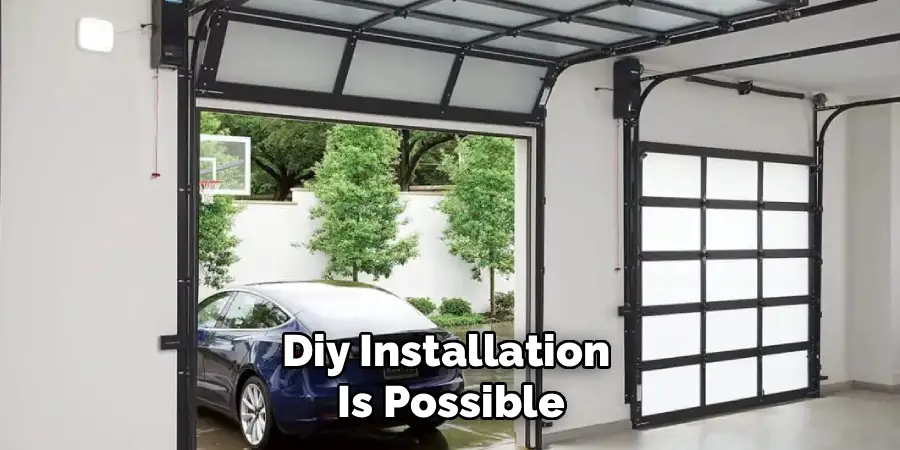
DIY installation is possible for those with experience in home improvement projects. However, professional installation is recommended to ensure safety, especially for larger or more complex systems.
What’s the typical lifespan of a garage door opener?
A well-maintained garage door opener should last between 10–15 years. Factors such as frequency of use, proper maintenance, and motor quality all influence this lifespan.
Conclusion
Choosing the right garage door opener requires careful consideration of size, drive type, horsepower, and features like smart connectivity and noise levels. By following this step-by-step guide, you’re well-equipped to make an informed decision. The right opener enhances daily convenience and adds value to your home. Now’s the time to explore your options and confidently learn how to choose a garage door opener that perfectly fits your needs. Whether it’s a traditional chain drive or a modern belt drive with smart technology, make sure to prioritize safety, security, and durability for the best long-term investment. Happy shopping!
As technology advances and new features become available, garage door openers are constantly evolving. It’s important to stay informed about the latest innovations and updates in the market to ensure that you’re making the most of your garage door opener. Additionally, regular maintenance and upkeep of your opener can extend its lifespan and improve its performance.
Furthermore, don’t forget about the importance of proper installation. Even the best garage door opener will not function correctly if it is installed improperly. Consider hiring a professional installer if you’re unsure about

I am Rick. I grew up helping my dad with his handyman service. I learned a lot from him about how to fix things, and also about how to work hard and take care of business. These days, I’m still into fixing things- only now, I’m doing it for a living.
I’m always looking for new ways to help people grow and develop. That’s why I have created this blog to share all my experience and knowledge so
that I can help people who are interested in DIY repair.