
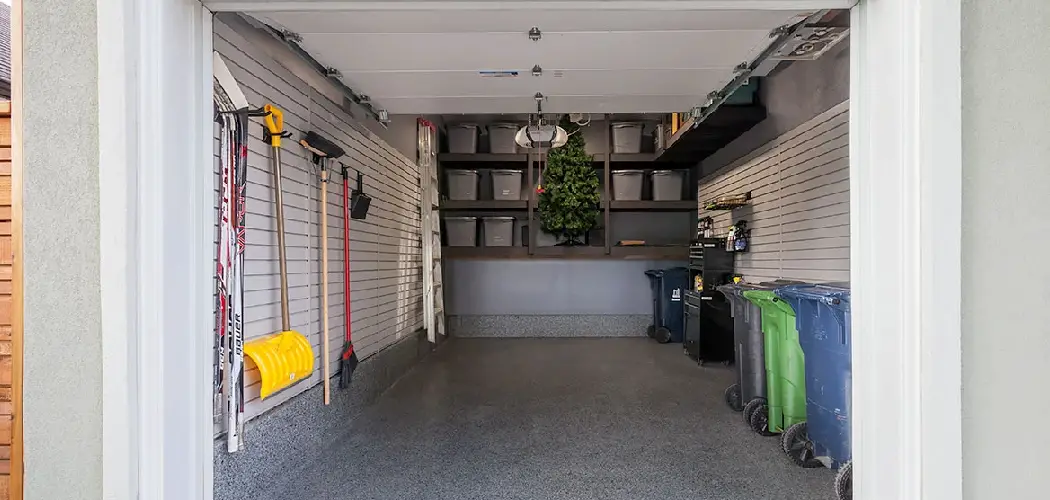
Transforming your garage into usable space is one of the most rewarding upgrades you can make to your home. All too often, garages end up filled with boxes, unused items, and clutter, never truly living up to their potential.
Yet this area offers a blank slate for creating a purpose-driven room, whether it’s a home office, fitness studio, workshop, or a gathering place for family and friends. In this comprehensive guide, you’ll find everything you need to confidently answer the question, “How do I turn my garage into usable space?”—from early planning and legal considerations to step-by-step transformation and final touches that bring the space to life.
Envisioning Your New Space: Popular Garage Conversion Ideas
Before embarking on your garage conversion project, it’s essential to visualize what your ideal outcome looks like. A clear vision not only helps guide each step of the process but also ensures the space serves your needs effectively.
Home Fitness Studio or Gym
Imagine turning your garage into a fitness retreat—your very own home gym or studio. This option offers a dedicated workout area, helping you save on gym fees and travel time while giving you the flexibility to exercise at your convenience. Outfit the space with essential equipment like weights, yoga mats, or cardio machines to create a personalized hub for physical wellness.
Workshop, Office, or Family Room
For hands-on enthusiasts, the garage can be transformed into the ultimate workshop or hobby space, perfect for crafting, woodworking, or other creative projects. Alternatively, remote workers and home business owners may find great value in converting the space into a quiet, functional home office, offering separation from the rest of the household.
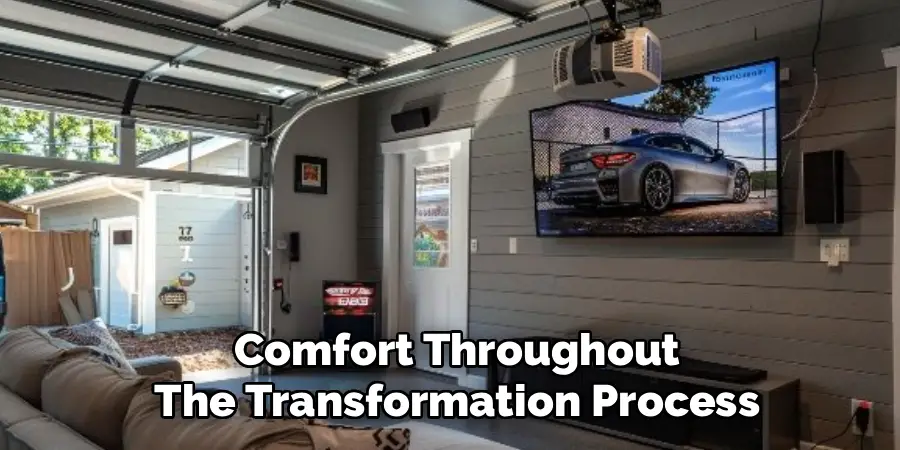
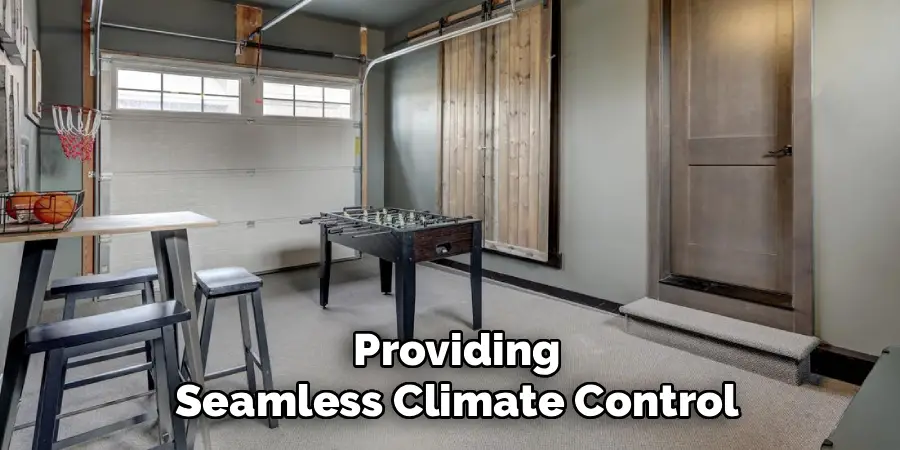
Families might envision the garage as a recreational or playroom, providing a casual environment for game nights, movie sessions, or a safe play area for kids. The flexibility of garage conversions ensures it can meet your unique lifestyle needs with creativity and forethought.
Crucial First Steps: Planning and Legalities
A successful garage conversion always begins with meticulous planning and a solid understanding of local regulations. Below are three key steps to ensure a smooth process:
Research Local Zoning Laws and Permits
Start by investigating local zoning laws and building codes that apply to your area. Most jurisdictions require permits for significant renovations, particularly if the project involves adding plumbing, electrical wiring, or modifying structural walls. Reaching out to your local building department early in the planning process can save you from costly mistakes or delays later on.

Define Your Budget and Project Scope
Create a comprehensive budget for your garage conversion by accounting for expenses such as insulation, flooring, electrical upgrades, wall finishing, and specialty items needed for the intended purpose of the space. It is also wise to allocate a contingency fund for unforeseen costs, like unplanned repairs or additional insulation needs that may arise during the project.
Consider Practical Logistics
Think through practical aspects of your transformation. If the garage typically serves as a storage or parking area for vehicles, determine where your car will be relocated once the space becomes a living area. Addressing these logistical challenges ahead of time ensures seamless progress and prevents hiccups during the actual renovation.
Gathering Essential Tools and Materials
Preparation is Key
Preparation makes all the difference when tackling a garage conversion. For the initial demolition and cleanup phase, plan to have the necessary tools for the job. These may include a pry bar for removing unwanted fixtures, a shop vacuum for clearing out debris, sturdy cleaning supplies, and concrete repair kits to address any cracks or damage present in the floor or walls.
Essential Tools for Construction
Once construction begins, it’s crucial to have the right tools on hand to ensure smooth progress. Essentials include a drill, saw, level, tools for hanging drywall, painting supplies, and the appropriate flooring installation tools tailored to your chosen material. Having these tools readily available will streamline your work and prevent unnecessary delays.
Prioritizing Safety
Safety is paramount at every step of a garage conversion project. Equip yourself with safety glasses, gloves, a dust mask, and knee pads to protect against potential hazards. Working with heavy materials, dust, and debris is unavoidable, so prioritizing personal protection ensures both your safety and comfort throughout the transformation process.
How Do I Turn My Garage Into Usable Space: Step-by-Step Guide
Step 1: Declutter and Deep Clean
Begin by emptying the garage. Sort all items—keeping only what you truly need, donating still-useful objects, and discarding or recycling what’s no longer valuable. After everything is cleared out, devote time to thoroughly cleaning the space. Scrub the floors, sweep cobwebs from walls and ceiling, and wash windows if present. A spotless start not only makes inspection easier but also sets a professional tone for the entire project.
Step 2: Inspect and Repair the Structure
Now that your garage is bare and clean, inspect every surface for potential issues. Check the foundation for cracks, look for evidence of water leaks or seepage, and watch for signs of pests or termites. If repairs are necessary—such as sealing cracks or patching walls—address them now. Solving these problems early prevents them from becoming major obstacles later and creates a stable, long-lasting foundation for your conversion.
Step 3: Insulate and Ventilate
Garages are rarely designed for comfortable year-round living, so effective insulation is a crucial upgrade. Install insulation in exterior walls and ceiling cavities to moderate temperature and reduce energy loss. After insulating, hang drywall over these surfaces for a polished, finished look. Consider also how you’ll handle ventilation; options range from adding operable windows to installing a ductless mini-split HVAC system or integrating your existing home system. Good airflow is essential for long-term comfort, preventing musty odors and humidity that can plague garages.
Step 4: Upgrade Electrical and Lighting
Modern living spaces demand robust electrical support, which may require significant upgrades over your garage’s original wiring. Assess whether you need additional outlets, dedicated circuits for new equipment, or improved overhead lighting. Upgrading or installing new wiring is a technical job—don’t hesitate to hire a licensed electrician to ensure safe and code-compliant results. Well-planned lighting and outlets will make your new room functional and inviting.

Step 5: Address the Garage Door
The original garage door can impact insulation, aesthetics, and the use of space. You have a range of options: insulating the existing door for improved energy efficiency, replacing it with a standard wall and adding windows for sunlight, or installing French doors to connect your new space to the outdoors. Each choice brings unique benefits—from better lighting to enhanced curb appeal—so align the approach with both your priorities and your home’s overall look.
Step 6: Install New Flooring
With the foundational work complete, turn your attention to the floor. Upgrade the often-cold concrete slab with materials suited to your new room’s function. Epoxy coatings and interlocking tiles are popular for gyms or hobby rooms because they’re durable and easy to clean. For living spaces or offices, luxury vinyl plank (LVP) or engineered hardwood atop an underlayment provides warmth and comfort, transforming the floor into a feature rather than an afterthought.
Step 7: Finish and Paint
Conclude the primary build by finishing drywall, filling seams, and sanding surfaces smooth. A coat of primer followed by high-quality paint will brighten the new room, reflecting light and making it feel spacious and welcoming. Don’t overlook trim, baseboards, and ceiling finishes, as these aesthetic details help your garage-turned-living-space match the rest of your home both in style and comfort.
How Do I Turn My Garage Into Usable Space and Keep It Comfortable?
Heating and Cooling Solutions
Ensuring year-round comfort in your converted garage is vital. Options for heating and cooling include ductless mini-split systems, which provide flexible temperature control without the complexity of extending existing ducts. Portable space heaters or air conditioning units can work for smaller budgets or intermittent use. In some cases, a professional may be able to extend your home’s HVAC system to the garage, providing seamless climate control.
The Importance of Natural Light
Natural light transforms the atmosphere of any room and should be a priority if you want your garage conversion to feel welcoming. If possible, add windows or skylights during the renovation. These features reduce the need for artificial lighting during the day and can help a former garage feel like an authentic part of your home.
Flooring: Choosing the Right Foundation for Your New Room
Durable and Easy-to-Clean Options
If your new space will see heavy use as a gym or workshop, prioritize flooring that withstands wear and tear—epoxy coatings and vinyl tiles resist impact and spills while offering simple cleanup. Their resilience ensures a longer lifespan, even under demanding conditions.
Comfortable and Cozy Choices
For living spaces or home offices, comfort is paramount. Carpet tiles can make the room warmer and more inviting. Luxury vinyl plank with a cushioned underlayment is another excellent choice, combining the look of wood with softness underfoot. These flooring types also offer sound dampening, crucial if your garage is adjacent to sleeping quarters.
Maximizing Storage in Your Converted Space
An organized new room feels larger and functions far better. Even with a new purpose, your garage can incorporate exceptional storage. Consider adding vertical shelving to make the most of your wall height—this is especially helpful in small rooms. Wall-mounted cabinets keep belongings out of sight and off the floor, while a compact loft or raised storage platform can take advantage of high ceilings, ensuring your new space remains tidy and versatile.

Conclusion
In summary, the process of answering “How do I turn my garage into usable space?” involves a progression from initial vision and detailed planning through structural upgrades, climate control, and thoughtful finishing touches. By methodically addressing each stage—from legalities and budgeting to insulation, utilities, and décor—you’ll create a customized, comfortable, and truly livable space that elevates your home and daily life. With the right preparation and inspiration, anyone can transform their underutilized garage into a beautiful extension of their living space, unlocking potential and adding value to their property for years to come.

I am Rick. I grew up helping my dad with his handyman service. I learned a lot from him about how to fix things, and also about how to work hard and take care of business. These days, I’m still into fixing things- only now, I’m doing it for a living.
I’m always looking for new ways to help people grow and develop. That’s why I have created this blog to share all my experience and knowledge so
that I can help people who are interested in DIY repair.