

Storing fuel at home is a necessity for many homeowners, whether it is for the lawnmower, the snowblower, or an emergency generator. However, gasoline is a highly volatile and flammable substance that demands respect and careful handling. It is not something you can simply stash in a corner and forget about.
Improper storage can lead to dangerous vapor buildup, accidental spills, or even catastrophic fires. For beginners, the rules around fuel storage might seem strict or confusing, but they are designed to keep your family and property safe. You do not need a specialized bunker to keep fuel on hand, but you do need to follow specific protocols to minimize risks.
This guide is designed to demystify the process, offering clear, actionable advice on how to store gas cans in garage environments safely. By following these steps, you can ensure your equipment is always ready to go without compromising the safety of your home.

Storing gasoline at home might seem straightforward, but improper handling can lead to serious hazards, including fires or harmful fumes. Understanding the proper way to store gas cans is essential for maintaining a safe and organized garage space. This guide aims to provide practical tips and precautions so you can keep your fuel supply secure while protecting your home and loved ones.
How to Store Gas Cans in Garage: A Step-by-Step Guide
Step 1: Select the Proper Approved Container
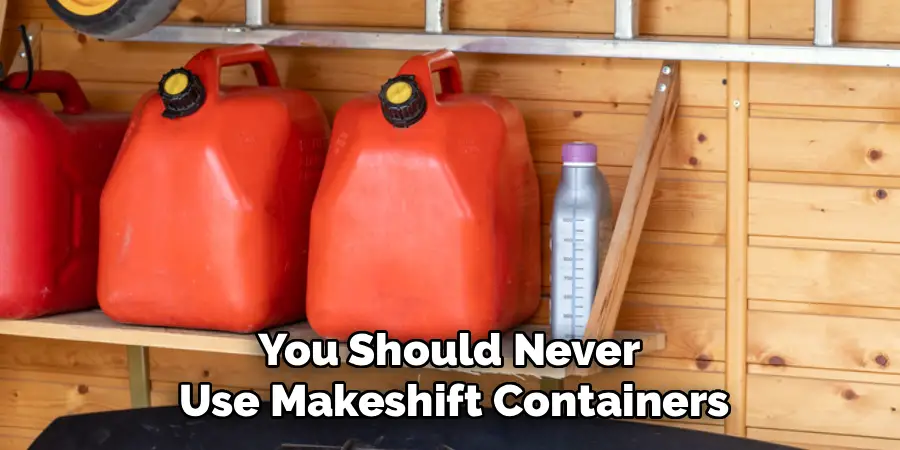
The foundation of safe fuel storage begins with the vessel itself. You should never use makeshift containers like milk jugs, glass jars, or old detergent bottles to hold gasoline. These materials are not designed to withstand the chemical composition of fuel and will eventually dissolve or degrade, leading to dangerous leaks. Instead, you must invest in a high-quality container that is specifically approved for fuel storage.
Look for red containers made of high-density polyethylene or metal that bear the seal of approval from a recognized testing laboratory, such as Underwriters Laboratories (UL) or the American Society for Testing and Materials (ASTM). These cans are engineered to handle the pressure of expanding vapors and are colored red to universally signify that they contain gasoline, preventing accidental misuse with other fluids like kerosene or diesel.
Step 2: Inspect the Can for Damage and Leaks
Before you even think about filling a container or placing it on a shelf, you need to perform a thorough physical inspection. Over time, plastic cans can become brittle from temperature fluctuations, and metal cans can develop rust spots that compromise their structural integrity. Check the body of the can for any cracks, dents, or signs of swelling. Pay close attention to the spout and the ventilation cap, ensuring that the gaskets are pliable and intact. A dried-out or cracked gasket is a common failure point that allows dangerous fumes to escape into your enclosed space. If you find any defects, do not attempt to patch them with tape or glue; simply discard the old can properly and replace it with a new one. This vigilance is a critical part of learning how to store gas cans in garage spaces securely.
Step 3: Identify the Ideal Storage Location
Choosing the right spot within your garage is just as important as the can itself. Gasoline vapors are heavier than air, meaning they will sink to the floor and travel along the ground. You must store your fuel containers in a well-ventilated area, preferably on a sturdy shelf or in a dedicated cabinet, away from direct sunlight.
The heat from the sun can cause the fuel to expand, building pressure inside the can and increasing the risk of vapor release. Most importantly, the storage location must be at least 50 feet away from any ignition sources. This includes pilot lights on water heaters, furnaces, or clothes dryers, as well as any electrical appliances that might spark. Keeping fuel far removed from these heat sources effectively eliminates the most common cause of garage fires.

Step 4: Use a Safety Cabinet
For an extra layer of protection, consider investing in a dedicated flammable safety cabinet. While not strictly mandatory for small quantities in every jurisdiction, a double-walled metal cabinet provides a significant safety buffer. These cabinets are designed to insulate the fuel containers from external heat sources and contain any potential leaks.
If a fire were to start elsewhere in the garage, the safety cabinet buys valuable time, preventing the gasoline inside from igniting immediately and adding fuel to the blaze. If a metal cabinet is out of your budget, a simple wooden cabinet specifically designated for fuel can also offer some protection from direct sunlight and accidental knocks, provided it is not airtight and allows for some ventilation to prevent fume buildup.
Step 5: Fill the Container Correctly
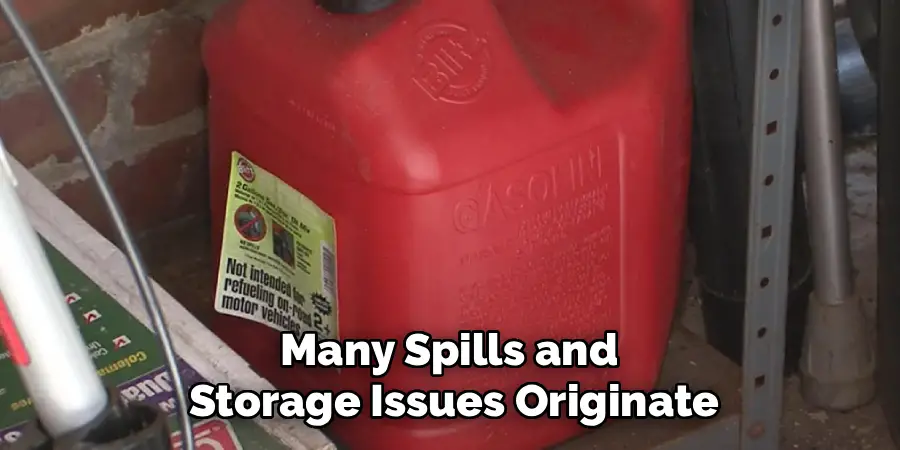
Many spills and storage issues originate at the gas station pump. When filling your container, always place it on the ground, never in the bed of a truck or the trunk of a car. The friction of flowing fuel can generate static electricity, and placing the can on the ground allows this charge to dissipate safely into the earth. Furthermore, you must never fill the can to the very brim. Gasoline expands and contracts significantly with temperature changes. You need to leave at least a few inches of head space—typically filling it to about 95 percent capacity—to allow for this expansion. Overfilling leads to pressure buildup that can force fuel out through the vent or distort the shape of the can, creating a hazard once you bring it back home.
Step 6: Add a Fuel Stabilizer for Long-Term Storage
Gasoline is an organic product that begins to degrade and break down relatively quickly, often within thirty days. As it degrades, it forms sticky gums and varnishes that can clog up the carburetors and fuel injectors of your engines. If you plan to store the gas for more than a month, such as over the winter season, you must add a high-quality fuel stabilizer. Pour the recommended amount of stabilizer into the can right after you fill it with fresh gas. The agitation from the drive home will mix it thoroughly. This chemical additive slows down the oxidation process, keeping the fuel fresh and combustible for up to a year or more. This step ensures that when you finally pour the gas into your mower, the engine starts smoothly rather than sputtering or stalling.
Step 7: Check and Rotate Your Supply Regularly
Safe storage is not a “set it and forget it” activity; it requires ongoing management. You should aim to rotate your fuel supply periodically to ensure you are never storing old, stale gas. A good practice is to use the oldest gas first and then refill the can with fresh fuel. Label each can with the date it was filled using a permanent marker or a piece of tape.
Every few months, check on your stored cans. Sniff the air in the garage—if you smell a strong odor of raw gasoline, it is a sign that a seal has failed or a vent has been left open. Investigating these odors immediately prevents dangerous fume accumulation. Regular checks ensure that your system remains secure and that your fuel is always viable when you need it.

Frequently Asked Questions
How Much Gas Can I Legally Store in My Garage?
The legal limit for residential fuel storage varies depending on your local fire codes and municipal regulations.
- General Rule: Most fire codes, such as the NFPA (National Fire Protection Association), typically limit residential storage to no more than 25 gallons.
- Insurance: Your homeowner’s insurance policy may have even stricter limits, sometimes capping it at 5 or 10 gallons. It is essential to check both local laws and your insurance policy to remain compliant and covered.
Can I Store Gas on a Concrete Floor?
There is a persistent myth that storing batteries or gas cans on concrete causes them to drain or degrade.
- Modern Cans: For modern plastic or metal gas cans, sitting on concrete is generally fine and will not cause the fuel to “go bad.”
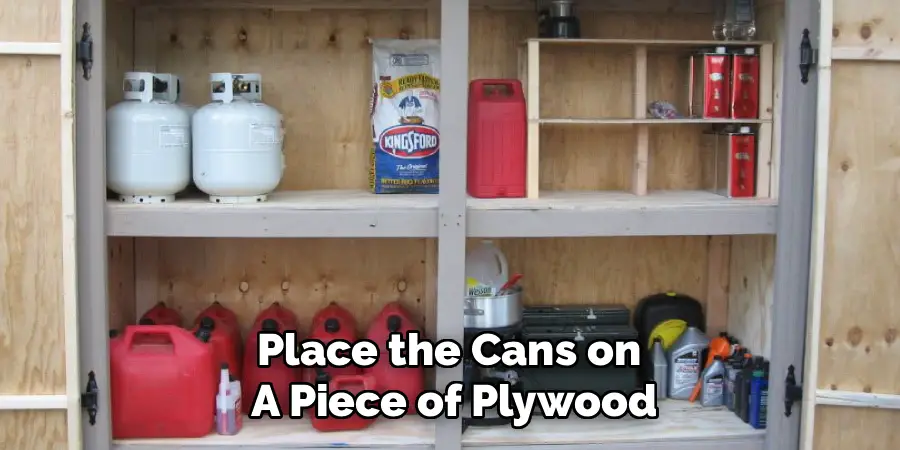
- Moisture Risk: However, moisture can wick up through concrete and rust the bottom of metal cans. To prevent this, place the cans on a piece of plywood or a shelf to create a barrier against moisture and accidental spills.
What Should I Do with Old or Contaminated Gas?
Never pour old gasoline down the drain, into the sewer, or onto the ground. This is illegal and environmentally disastrous.
- Reconditioning: If the gas is just slightly old, you might be able to mix it with fresh gas (at a 1:5 ratio) and use it in a robust engine like a lawnmower.
- Disposal: If the gas is contaminated with water or debris, locate your nearest household hazardous waste disposal center. They will accept the fluid and dispose of it safely.
Is It Safe to Keep Gas Cans in a Hot Garage?
High temperatures do increase the pressure inside a gas can due to vapor expansion.
- Venting: Modern safety cans are designed to withstand this pressure, but they may bulge.
- Mitigation: To minimize risk, store the cans in the coolest part of the garage, out of direct sunlight. Ensure the vents are closed tightly to prevent vapors from escaping and finding an ignition source. If your garage gets extremely hot, consider storing only the minimum amount of fuel necessary.
Why Do Modern Gas Cans Have Such Complex Spouts?
You might find the safety spouts on new cans frustrating, but they serve a vital purpose.
- Vapor Control: They are designed to remain sealed automatically when not in use, preventing hazardous vapors from escaping into the air.
- Spill Prevention: The spring-loaded mechanisms are meant to stop the flow of fuel immediately if the can is dropped or tipped over, reducing the risk of accidental fires. While tricky to learn, they significantly reduce evaporative emissions and spills.
Conclusion
Storing gasoline at home is a responsibility that requires diligence and respect for the volatile nature of the fuel. It is about more than just convenience; it is about protecting your home and family from preventable accidents. By selecting the right certified containers, choosing a cool and ventilated location away from ignition sources, and treating the fuel with stabilizers, you mitigate the inherent risks involved.
Remember to inspect your cans regularly for leaks and to rotate your supply to keep your engines running smoothly. While the regulations and steps might seem numerous, they quickly become second nature with practice. Now that you have a comprehensive understanding of how to store gas cans in garage areas correctly, you can confidently maintain your fuel supply, knowing that you have taken every precaution to ensure a safe and functional home workshop.

I am Rick. I grew up helping my dad with his handyman service. I learned a lot from him about how to fix things, and also about how to work hard and take care of business. These days, I’m still into fixing things- only now, I’m doing it for a living.
I’m always looking for new ways to help people grow and develop. That’s why I have created this blog to share all my experience and knowledge so
that I can help people who are interested in DIY repair.