

After a long, relaxing summer spent soaking up the sun, the inevitable task of packing away the seasonal gear begins. Beach chairs are notoriously awkward items to store; they are bulky, often oddly shaped, and somehow always manage to track half the beach home with them. Simply leaning them against a wall in the garage usually results in a domino effect of falling metal and fabric every time you try to park the car.

This clutter not only eats up valuable floor space but can also damage your expensive chairs if they are left exposed to dampness or pests. Proper organization is the key to protecting your investment and maintaining your sanity. By implementing a dedicated storage system, you can keep your chairs accessible, clean, and out of the way during the off-season.
This guide will walk you through the essential process of how to store beach chairs in garage spaces effectively, ensuring your gear is ready for the first wave of next summer without the headache of untangling a pile of rusty metal.
How to Store Beach Chairs in Garage: A Step-by-Step Guide
Step 1: Clean and Dry Every Chair Thoroughly
Before you even think about putting your chairs away, you must address the salt, sand, and sunscreen residue clinging to them. Saltwater is highly corrosive and will rust the metal frames if left unchecked over the winter months. Take the chairs out to the driveway and hose them down generously with fresh water. Use a mild soap solution and a soft brush to scrub the fabric seats, paying close attention to seams where sand loves to hide.
Once they are clean, let them dry completely in the sun. Storing a damp chair is a recipe for mold and mildew growth, which will ruin the fabric and create unpleasant odors. Ensure every nook and cranny is bone dry before moving to the next phase of the process.
Step 2: Choose the Right Wall Space for Organization
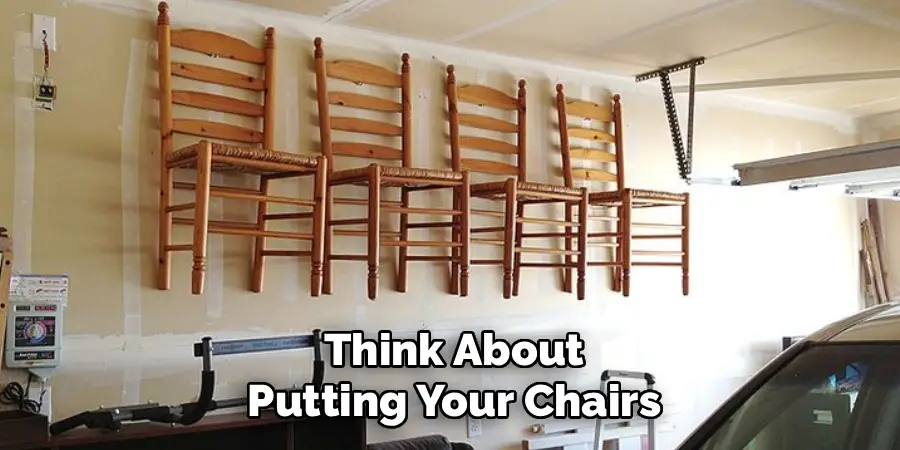
The most efficient way to store these bulky items is to get them off the floor and onto the walls. Walk through your garage and identify a suitable section of wall space that is currently underutilized. You want a spot that is high enough to keep the chairs out of the path of car doors but low enough that you can reach them safely without a ladder.
Consider the depth of the chairs when folded; ensure they will not protrude too far and obstruct walkways. This assessment phase is critical because it dictates what kind of hardware you will need to purchase. You might choose the space above a workbench or a high strip along the side wall to maximize vertical storage potential.
Step 3: Select Heavy-Duty Wall Hooks or Racks
Once you have your location, you need to select the hardware that will actually hold the weight of your furniture. Standard nails or small picture hooks will not suffice for heavy beach gear. You need heavy-duty utility hooks, often rubber-coated to prevent scratching the chair frames.
Double-arm hooks or “ladder hooks” are excellent choices because they can often hold two or more chairs on a single unit, maximizing your storage density. Alternatively, you can invest in a specialized track system or a slatwall panel that offers adjustable hooks. Visit your local hardware store and look for hooks rated for at least fifty pounds to ensure safety and durability.
This hardware selection is the backbone of learning how to store beach chairs in garage environments safely.

Step 4: Locate Wall Studs for Secure Installation
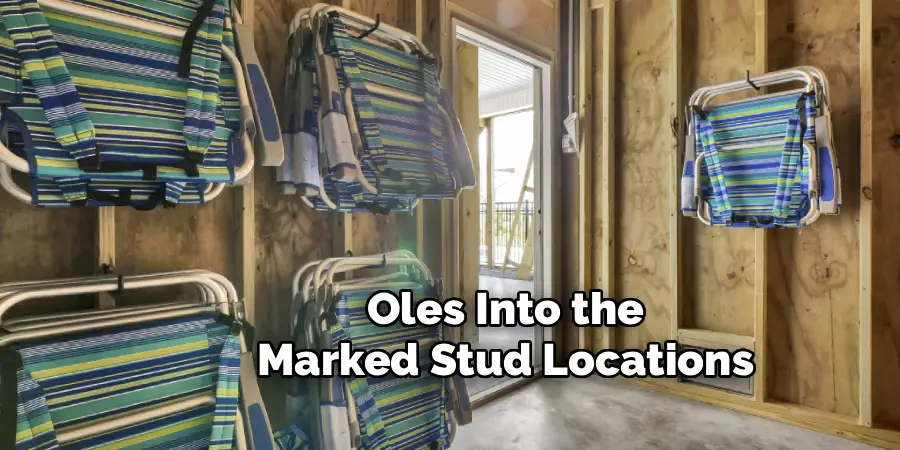
You cannot simply screw heavy hooks into drywall and expect them to hold. The weight of the chairs will eventually rip the anchors out, causing damage to your wall and potentially your car. You must locate the wooden studs behind the drywall. Use an electronic stud finder to mark the center of the studs in your chosen storage area.
If you do not have a stud finder, you can look for existing nail heads in the baseboards or measure sixteen inches from a corner, which is the standard spacing for framing. Mark the stud locations clearly with a pencil at the height you intend to hang the hooks. Anchoring directly into the wood structure provides the necessary strength to support the load of multiple chairs without failure.
Step 5: Install the Hooks at the Proper Height
With your studs marked and your hardware ready, it is time for installation. Drill pilot holes into the marked stud locations to prevent the wood from splitting when you drive in the large screws. Position your hooks so that the chairs will hang comfortably without hitting the ceiling or dragging on items below.
If you are hanging multiple chairs side-by-side, space the hooks far enough apart so the chairs do not tangle, but close enough to maximize space. Use a level to ensure your hooks are aligned horizontally for a neat, professional appearance. Drive the screws in firmly using a power drill or a socket wrench, ensuring the hook is flush against the wall and feels completely solid when you tug on it.
Step 6: Using Overhead Racks
If your wall space is completely occupied by tools and garden equipment, look up. The ceiling is often the most wasted storage space in a garage. Installing an overhead storage rack or a simple pulley system can be an excellent alternative for seasonal items like beach chairs. These racks bolt into the ceiling joists and provide a secure platform or hanging bar for your gear.
You can slide the folded chairs onto the rack or hang them from S-hooks attached to the wire grid. This keeps them completely out of the way for the winter. Just like with wall hooks, ensuring you are anchored into the structural joists is non-negotiable for safety. This method is perfect for long-term storage where quick access is not a priority.
Step 7: Hang the Chairs and Protect with Covers
Now that your system is installed, it is time to hang your chairs. Fold them neatly and secure any loose straps or hanging cupholders that might get caught. If you are using wall hooks, hang the chairs by their sturdiest horizontal bar, usually the one at the top or the seat back.
For added protection against dust, spiders, and garage grime, consider placing the chairs inside large heavy-duty trash bags or dedicated chair storage covers before hanging them. Poke a small hole in the bag for the hook to pass through. This extra layer of defense keeps your chairs pristine and ready for immediate use when beach weather returns. Step back and admire your reclaimed floor space, knowing your gear is safe, secure, and organized.
Frequently Asked Questions
Can I Store Beach Chairs in a Garage Without Climate Control?
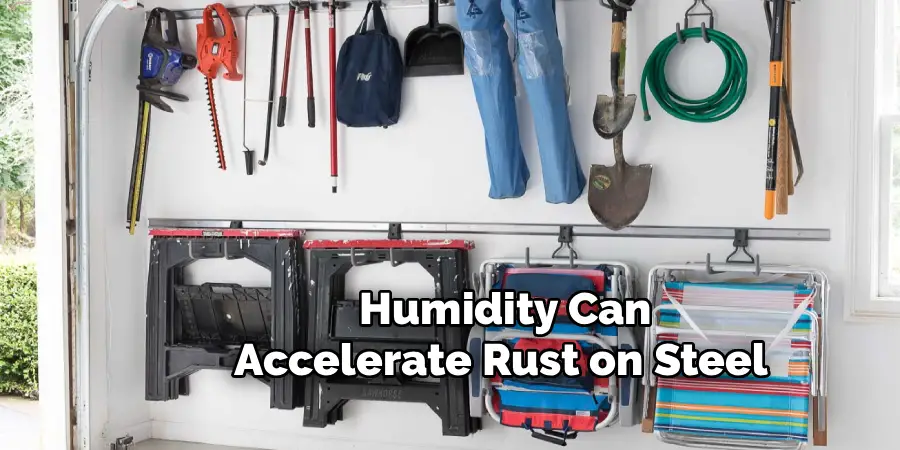
Yes, you can generally store beach chairs in a non-climate-controlled garage, provided they are clean and dry. However, extreme humidity can accelerate rust on steel frames and encourage mold on fabric.
- Rust Prevention: If you live in a very humid area, wipe metal frames with a little WD-40 or car wax before storing.
- Fabric Care: Ensure the fabric is completely dry. Placing a moisture absorber (like DampRid) near the storage area can help mitigate humidity issues.
What Is the Best Way to Store Chairs if I Can’t Drill into Walls?
If you are renting or have concrete walls that are difficult to drill, you still have options.
- Freestanding Shelving: heavy-duty metal shelving units are perfect. You can slide folded chairs onto the shelves or stand them upright between shelf supports.
- Vertical Bins: Use a tall, sturdy trash can or a specialized sports equipment bin to stand the chairs vertically like umbrellas. This keeps them contained and upright without needing wall anchors.
How Do I Prevent Spiders and Bugs from Nesting in the Chairs?
Garages are prime territory for spiders looking for a quiet place to spin webs.
- Bag Them Up: The most effective method is to store the chairs in large, sealed plastic bags or canvas storage covers.
- Natural Repellents: If you don’t cover them, place cedar blocks or sachets of peppermint oil near the chairs. These natural scents tend to deter spiders and insects without using harsh chemicals that might damage the fabric.
Is It Better to Hang Chairs or Stack Them?
Hanging is generally superior for several reasons.
- Airflow: Hanging allows air to circulate around the chair, reducing musty odors.
- Accessibility: It is easier to grab one specific chair from a hook than to unstack a heavy pile to get to the bottom one.
- Damage Prevention: Stacking heavy chairs on top of each other can bend frames or crush the fabric of the bottom chairs over time.
How Much Weight Can a Standard Garage Hook Hold?
This varies significantly by the specific product, but quality matters.
- Standard Utility Hooks: Most standard screw-in hooks found at hardware stores are rated for 25 to 50 pounds when installed directly into a wood stud.
- Heavy-Duty Systems: Specialized garage track systems or “gladiator” style hooks can often support 75 to 100 pounds or more. Always check the packaging for the load limit and never exceed it.
Conclusion
Transforming your garage from a chaotic dumping ground into an organized storage haven is one of the most satisfying home improvement projects you can undertake. By taking the time to clean your gear and install a proper storage system, you extend the lifespan of your beach chairs significantly.
No longer will you trip over rusty frames or discover moldy fabric on the first warm day of the year. Instead, your equipment will be neatly suspended, protected, and ready for adventure at a moment’s notice.
Whether you choose wall hooks, overhead racks, or freestanding shelves, the key is intentionality. Now that you have mastered how to store beach chairs in garage spaces effectively, you can close the door on the summer season with peace of mind, knowing your beach day essentials are safe and sound until the tide calls again.

I am Rick. I grew up helping my dad with his handyman service. I learned a lot from him about how to fix things, and also about how to work hard and take care of business. These days, I’m still into fixing things- only now, I’m doing it for a living.
I’m always looking for new ways to help people grow and develop. That’s why I have created this blog to share all my experience and knowledge so
that I can help people who are interested in DIY repair.