
During the cold winter months, many compassionate people find themselves needing to provide shelter for a cat in their garage. It could be a neighborhood community cat you care for, a new stray that has appeared on your doorstep, or even a family pet that needs to be temporarily housed separately from other animals. This immediately raises a critical concern: how do you ensure the animal is safe and comfortable when a standard garage is little more than a concrete box, uninsulated and exposed to the biting cold?
Your concern for the animal’s well-being is valid. An unheated garage can be a dangerous place for a cat when temperatures plummet. The purpose of this article is to provide a comprehensive set of strategies to create a safe, warm haven for any feline in your care. Learning how to keep a cat warm in the garage is a crucial aspect of responsible animal care, protecting them from the harsh realities of winter. This guide will cover everything from simple insulation and draft-proofing to building a DIY shelter, exploring safe heating options, and providing the proper nutrition a cat needs to survive the cold.
Understanding the Dangers of Cold for Cats
Before we dive into the solutions, it is essential to understand the real risks a cat faces in a cold environment. Unlike a heated home, a garage offers minimal protection from a sustained drop in temperature. This exposure can lead to serious and life-threatening health conditions, especially for the most vulnerable felines.
Hypothermia and Frostbite
The most immediate danger is hypothermia, a condition where the body loses heat faster than it can produce it, causing a dangerous drop in core body temperature. Early signs of hypothermia in cats include intense shivering, followed by lethargy, weakness, and pale gums as the condition worsens. If left untreated, it can lead to collapse and death.
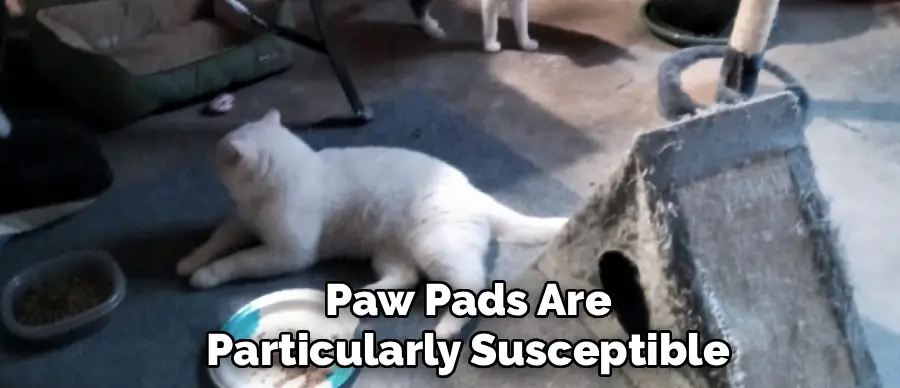
Another significant risk is frostbite. This occurs when body tissues freeze, most commonly affecting the extremities, where blood flow is less robust. A cat’s ear tips, tail, and paw pads are particularly susceptible. Frostbitten tissue may appear pale or grayish and can become black as the tissue dies. It is an incredibly painful condition that can lead to permanent damage and the need for amputation.
Special Risks for Kittens, Seniors, and Sick Cats
While any cat is at risk in the cold, some are far more vulnerable than others. Kittens, for example, have not yet fully developed their ability to regulate their body temperature and can succumb to cold very quickly. Senior cats often have less body fat, poorer circulation, and may suffer from conditions like arthritis, which are exacerbated by the cold, making it difficult for them to seek or maintain warmth. Similarly, cats that are sick or have underlying health issues have compromised systems that make them much more susceptible to the dangers of a cold environment. For these vulnerable populations, providing adequate warmth is not just a matter of comfort—it is a matter of life and death.
The Foundation: Insulation and Draft-Proofing Your Garage
Your first line of defense against the cold is to improve the garage environment itself. A few simple, low-cost measures to reduce heat loss can make a significant difference in the ambient temperature, creating a safer space for the cat.
Sealing Air Leaks
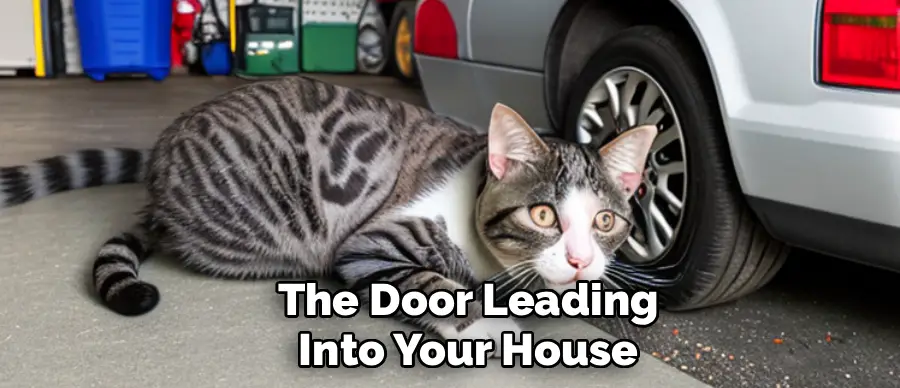
Garages are notoriously drafty. Cold air can infiltrate through countless small cracks and gaps, quickly lowering the temperature. Take some time to inspect your garage for these leaks. The main garage door is often the biggest culprit. Apply new weatherstripping to the bottom of the door to create a tight seal with the floor. Check the vinyl or rubber seals along the sides and top of the door frame and replace them if they are cracked or worn. Use caulk to seal any gaps around window frames and the door leading into your house. For larger cracks in the walls or foundation, expanding spray foam sealant is an effective solution.
Insulating the Garage Door
A standard, uninsulated metal garage door is a massive source of heat loss. It becomes intensely cold and radiates that cold into the entire space. One of the most impactful DIY upgrades you can make is to insulate the door. You can purchase affordable, easy-to-install garage door insulation kits from most home improvement stores. These kits typically consist of foam board panels or reflective foil-faced bubble insulation that you cut to size and fit into the door’s panel sections. This simple step can help raise the ambient temperature in the garage by several degrees.
Creating a Safe, Warm Shelter Within the Garage
Even in a draft-proofed garage, providing a dedicated, insulated micro-environment is the most critical element for keeping a cat warm. This small, protected space will allow the cat to use its own body heat to stay comfortable, even when the surrounding air is cold.
The Ideal Shelter: Small, Insulated, and Off the Ground
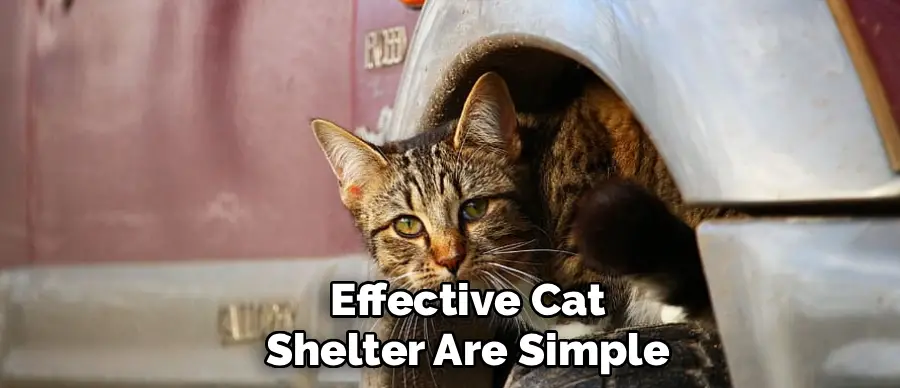
The principles of an effective cat shelter are simple. First, it should be small. A space that is just large enough for the cat to stand up and turn around in is ideal. A larger space requires more body heat to warm up, making it less effective. Second, it must be insulated. Insulation on all sides traps the cat’s body heat and blocks out the cold. Third, and most importantly, the shelter must be elevated off the cold concrete floor. Concrete acts as a massive heat sink, constantly pulling warmth away from anything it touches. Placing the shelter on a pallet, a piece of thick foam board, or even just a couple of 2x4s will make a huge difference.
Choosing the Right Bedding Material
Your choice of bedding can be the difference between a warm cat and a dangerously cold one. It might seem intuitive to use soft blankets, towels, or hay, but these materials should be avoided. They absorb moisture from the air and from the cat’s body, and once damp, they lose all insulating properties and can even freeze, making the cat colder.
The gold standard for outdoor cat shelter bedding is straw. Not to be confused with hay (which is dried grass for animal feed), straw is the hollow stalks of harvested grains like wheat or barley. Its hollow structure allows it to trap warm air, and it does not absorb moisture, allowing cats to burrow deep into it to stay warm and dry.
How to Keep a Cat Warm in the Garage: Building a DIY Insulated Shelter
You do not need to be an expert carpenter to build a highly effective and inexpensive winter shelter for a cat. This simple, step-by-step guide uses common storage totes to create a warm, dry, and life-saving haven.
Step 1: Gather Your Materials
The primary components for this shelter are two plastic storage totes with lids. You will need one large tote and a second, smaller one that can fit inside the first, leaving a gap of at least one to two inches on all sides and on the bottom. You will also need a utility knife, a ruler or tape measure, and your insulation material—either tightly packed straw or rigid foam board insulation cut to size.
Step 2: Cut the Doorway
An appropriately sized doorway is crucial. It needs to be just large enough for the cat to get in and out easily, but small enough to keep heat from escaping and to deter larger animals like raccoons. A 5-to-6-inch diameter opening is perfect for most adult cats. Measure and mark the doorway on the same location on one of the long sides of both totes. Carefully use your utility knife to cut out the openings. To prevent any injuries, you can smooth the cut plastic edges with a piece of sandpaper.
Step 3: Add the Insulation
The space between the two totes is where you will create the insulated wall. If you are using rigid foam board, cut panels to fit snugly along the bottom and all four interior walls of the larger tote. Once the insulation is in place, slide the smaller tote inside. Alternatively, you can simply stuff the gap between the two totes tightly with loose straw. The packed straw will create an excellent insulated barrier against the cold.
Step 4: Fill with Bedding and Secure the Lid
Now, fill the inner tote generously with more loose straw. Do not pack it down; you want it to be fluffy so the cat can burrow into it and create a warm nest. Finally, place the lid securely on the outer tote to trap heat and protect the cat from drafts and moisture. Place your finished shelter in the quietest, most draft-free corner of the garage, ensuring it is elevated off the concrete floor.
Safe Heating Options for a Garage Environment
In extremely cold climates, you may want to provide a supplemental source of heat. However, this requires extreme caution, as a garage is often filled with flammable materials like gasoline, paint thinners, and oily rags.
Heated Beds and Pads for Pets
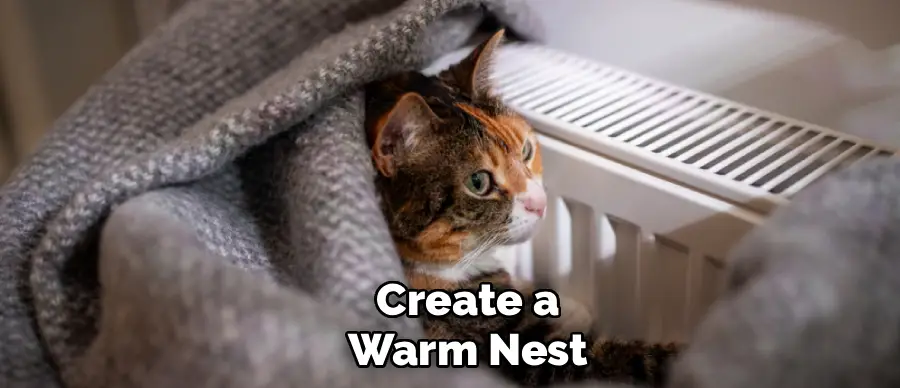
By far the safest option is an electric heated bed or pad specifically designed and certified for pet use. These products are low-wattage, and many are pressure-activated, meaning they only produce gentle warmth when the cat is lying on them. They are designed to warm to a cat’s natural body temperature and have built-in safety features to prevent overheating. Never use a standard human heating pad, as they can get much too hot and pose a serious burn or fire risk.
Avoiding Unsafe Heaters
You must be incredibly careful with space heaters. Never use a propane or kerosene heater in an enclosed space like a garage, as they produce carbon monoxide. If you must use an electric space heater, it must be a modern model with essential safety features, including a tip-over switch that automatically shuts it off if it is knocked over, and an adjustable thermostat. Keep the heater far away from the cat’s shelter, bedding, and any flammable liquids or materials.
The Role of Food and Water in Staying Warm
Proper nutrition and hydration are vital components of a cat’s ability to survive the cold. The simple act of digesting food helps a cat generate crucial body heat.
Increasing Caloric Intake
Cats burn a lot more calories in the winter just to maintain their core body temperature. Providing extra food during cold spells is essential. Dry kibble is an excellent choice as it is calorie-dense and does not freeze. Make sure food is available at all times so the cat can eat whenever it needs to fuel its internal furnace.
Preventing Water from Freezing
Access to fresh, unfrozen water is just as important as food. A dehydrated cat is at a much higher risk for hypothermia. A standard water bowl will likely freeze solid overnight in a cold garage. The best solution is to invest in a heated water bowl. These low-wattage bowls use just enough energy to keep the water from freezing, ensuring the cat always has something to drink.
Monitoring for Safety and Well-Being
Providing shelter, food, and water is not a one-time setup; it is an ongoing responsibility that requires daily attention.
Daily Check-Ins
Make it a part of your daily routine to check on the cat. Ensure that its food bowl is full and that its heated water bowl is functioning correctly. Check the shelter to make sure the straw bedding is still dry. If it becomes damp, it must be replaced immediately with fresh, dry straw.
Watch for Signs of Distress
Be observant of the cat’s behavior and physical condition. Look for any signs of illness or cold-related stress, such as persistent shivering, lethargy, or a lack of appetite. If you notice any concerning symptoms, it is crucial to seek help from a veterinarian or a local animal rescue organization.
Conclusion
Keeping a cat safe and comfortable in a garage during the harsh winter months is a compassionate and achievable goal. The most important and life-saving element you can provide is a small, elevated, and well-insulated shelter filled with straw. This simple refuge allows a cat to use its own body heat to create a warm, protected micro-environment, shielding it from the most dangerous effects of the cold.
By combining this essential shelter with basic draft-proofing, providing safe supplemental heat when necessary, and ensuring a constant supply of high-calorie food and unfrozen water, you can make a garage a viable temporary home. Knowing how to keep a cat warm in the garage is about more than just kindness; it is about taking responsible and effective action. These strategies will ensure the health and safety of any feline friend in your care, providing them with the warmth and protection they need to make it through the winter.

I am Rick. I grew up helping my dad with his handyman service. I learned a lot from him about how to fix things, and also about how to work hard and take care of business. These days, I’m still into fixing things- only now, I’m doing it for a living.
I’m always looking for new ways to help people grow and develop. That’s why I have created this blog to share all my experience and knowledge so
that I can help people who are interested in DIY repair.