
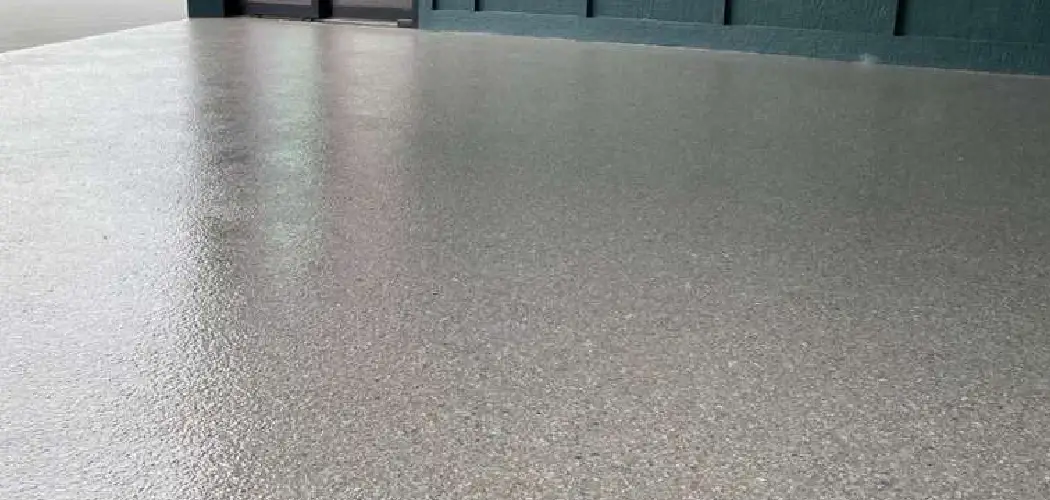
Transforming a garage isn’t just about organization or curb appeal—it’s often about revitalizing a tired, stained floor into one that looks clean and high-end. Installing garage floor tiles is an accessible, durable, and attractive solution for homeowners seeking a blend of style and practicality.
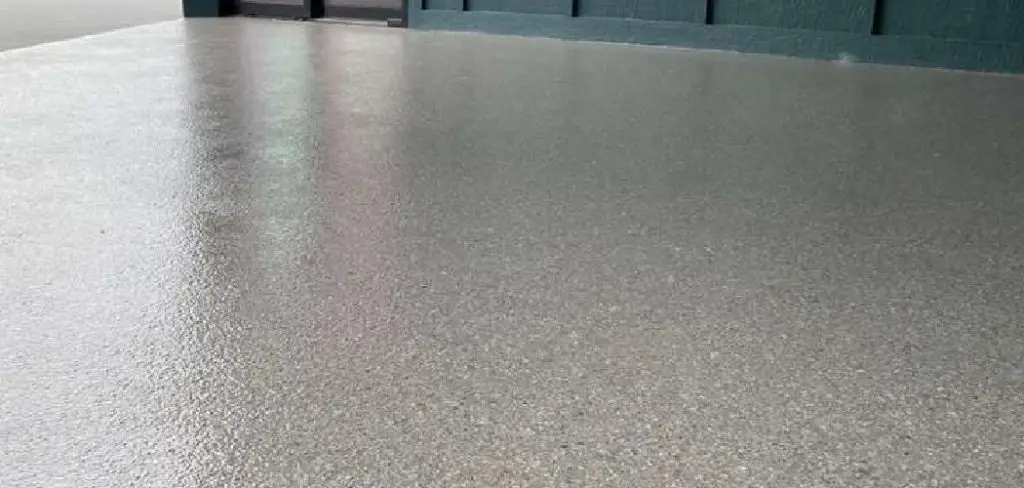
Not only do these tiles cover cracks, blemishes, and discoloration with ease, but they can also enhance safety thanks to slip-resistant surfaces and tidy transitions. Whether you’re prepping a new workshop or creating a spotless parking space, this article offers a thorough, step-by-step guide on how to install garage floor tiles so you can complete the job confidently.
Why Choose Garage Floor Tiles?
Garage floor tiles offer a unique combination of function and style unattainable with paint or concrete coatings alone. They deliver an instant upgrade, concealing flaws and providing a sturdier surface. Their modular nature means individual tiles can be replaced if damaged—no need to redo the entire floor. Along with hiding imperfections like cracks and stains, these tiles can improve traction, reduce dust, and even dampen noise. With a range of patterns and colors, homeowners are empowered to customize their space and create defined zones for vehicles, workbenches, or storage. The ease of installation, especially as a DIY project, is another compelling reason more people choose garage floor tiles for an upgrade.
Exploring the Different Types of Garage Floor Tiles
Rigid Plastic Tiles (Polypropylene)
Rigid plastic tiles are known for their toughness and resilience. Made from heavy-duty polypropylene, they withstand the demands of cars, tools, and even jacks. Their design often incorporates small perforations or a ribbed surface, allowing spills and water to drain through, which helps keep the floor drier and safer. They’re ideal for high-traffic garages and spaces where durability is paramount.
Flexible Rubber or PVC Tiles
These tiles prioritize comfort and sound insulation. Softer than their rigid counterparts, rubber or PVC tiles are kind to your feet, offering a bit of cushion during long work sessions. Their natural resistance to chemicals and moisture makes them a practical choice for garages where cars, bikes, or equipment see regular use. Cleaning is simple, and the softer surface helps absorb noise, turning a clattering space into a quieter one.

Wood Composite Tiles
Though less common in garages, wood composite tiles immediately catch the eye. They introduce warmth and a unique aesthetic, transforming a utilitarian space into something homier. However, they may require more care to avoid moisture damage and aren’t typically suited for garages where water, oil, or chemical spills are frequent.
Key Considerations Before You Begin
Measuring Your Garage Accurately
Before purchasing tiles, accurate measurements are crucial. Start by calculating the total square footage of your garage. It’s wise to add an extra 5-10% to this figure to cover trimming waste and accidental mistakes, which ensures you won’t run short during installation.
Planning Your Design and Layout
Consider the overall look you want to achieve. Some homeowners opt for a checkerboard motif, while others map out color-coded sections—perhaps defining where each car goes or separating work and storage areas. Visual planning now can save frustration later when it’s time to fit tiles together.
Checking for Floor Levelness
Garage floors should be fairly flat for a smooth installation. Check for any obvious bumps, dips, or large cracks. Minor unevenness might be masked by certain flexible tile types, but pronounced levels should be remedied with a filler or grinder to ensure your new surface is stable and attractive.
Tools and Materials You Will Need
Essential Installation Tools
Have a tape measure and chalk line handy for accuracy when laying out your grid. You’ll also need a utility knife or a power saw for cutting tiles to fit along walls or obstacles, and a rubber mallet to gently lock tiles into place without damaging them.

For Preparation and Safety
Gather a shop vacuum or broom to remove dust and debris before laying new tiles. Use a degreaser to tackle stubborn stains on the concrete. Knee pads and work gloves are highly recommended, as you’ll spend time kneeling and handling sharp tools or tile edges.
The Tiles and Edging
Select your chosen style of interlocking garage floor tiles. Don’t forget to purchase sufficient border pieces and transition strips, especially for entries and doorways, so the floor will be safe and have clean, finished edges.
A Step-by-Step Guide on How to Install Garage Floor Tiles
Step 1: Prepare the Garage Floor
Begin by completely emptying your garage. Move out all vehicles, tools, cabinets, and shelving—this is essential for both safety and to ensure you reach every corner. Sweep or vacuum thoroughly to remove grit and debris. Tackle any oil stains or stuck-on grime with a degreaser and rinse, making sure the floor is completely dry before you start.
Step 2: Acclimate the Tiles
Allow your new floor tiles to adjust to the garage’s ambient temperature for at least 24 hours. This step minimizes the chance of expansion or contraction after installation, reducing the risk of future buckling or gaps.
Step 3: Find Your Starting Point
Mark the center of the garage by snapping perpendicular chalk lines from wall to wall. The exact center, where the lines cross, is your starting point. Working from the center out gives you a balanced, symmetrical floor and avoids thin slivers of tile along the walls.
Step 4: Lay the First Full Tiles
Place the first tile exactly at the intersection point. Align the loops and pegs of the subsequent tiles and tap them together with a rubber mallet or by hand, ensuring each piece fits snugly. Take your time with these first tiles, as mistakes here will be magnified as you add more.
Step 5: Work Outward from the Center
With the central area established, continue laying tiles outward in a quadrant pattern. Fill whole rows first, radiating from the starting point, then move to the next section. Check the pattern alignment and fit as you go, and ensure there are no gaps or uneven areas.

Step 6: Make the Necessary Cuts
Once most of the floor is covered, you’ll need to cut tiles to fit against walls and around obstacles like columns or water heaters. For rigid plastic tiles, a jigsaw or circular saw fitted with a fine-toothed blade offers clean, precise cuts. Flexible rubber tiles can usually be scored with a utility knife and snapped along a straight edge. Always double-check measurements before cutting.
Step 7: Install Edging and Transition Strips
Add ramped edging along the garage entrance to ease the transition for vehicles and prevent tripping. Attach any additional finishing strips to create a neat, polished look at all entry points and exposed edges.
Cutting Tiles: Tips for a Professional Finish
Cutting Around Obstacles
Tackling unusual shapes? Create templates out of cardboard to trace the necessary curves or notches before transferring them to the tile material. This extra effort results in precise, custom cuts and avoids costly mistakes.
Achieving Straight Cuts with a Power Saw
When using a power saw on rigid tiles, apply painter’s tape along your cut line to help prevent chipping. Work slowly and carefully for a smooth, professional result.
Using a Utility Knife for Soft Tiles
If you’re working with softer tiles, a sharp utility knife and a straight edge are your best friends. Score multiple times to create a clean line, then snap the tile. Avoid bending excessively, as some materials can tear or leave ragged edges if rushed.
Common Installation Mistakes to Avoid
Skipping the Acclimation Period
Installing floor tiles before they’ve adjusted to the garage environment can lead to expansion or gaps. Be patient and give them the full 24 hours, especially in areas with dramatic temperature differences.
Not Starting in the Center
Beginning your layout from a corner or wall may seem easier, but it usually results in an unbalanced pattern and tiny, awkward slivers at the far edge. The visual impact and the fit are both stronger with a center-out approach.
Forgetting to Order Extra Tiles
It’s frustrating to run short on materials near the end of a project. Always order slightly more than your calculated total—repairs and replacements later will be much simpler if you have spares of the same batch and color.
Caring for Your New Tile Floor
Once your floor is in place, maintenance is simple and quick. Sweep or vacuum regularly to prevent grit from scratching the surface. Clean up spills promptly—most garage floor tiles are resistant to water and oil, but removing contaminants quickly ensures the floor stays pristine. If a tile gets badly soiled or damaged, it’s often possible to lift it out for deep cleaning or replacement, which keeps your garage looking sharp with minimal effort.
Conclusion
Learning how to install garage floor tiles unlocks an excellent way to upgrade your workspace, protect your concrete, and boost your home’s value. From careful planning and precise measurement to the final trim along the edges, every step adds to the robust, tailored finish you’ll enjoy for years. A garage floor tile system offers durability, easy maintenance, and striking visual appeal—qualities that invest in time and effort pay off many times over. Completing this project yourself offers not only a sense of accomplishment but also a practical, lasting improvement you’ll notice every day.

I am Rick. I grew up helping my dad with his handyman service. I learned a lot from him about how to fix things, and also about how to work hard and take care of business. These days, I’m still into fixing things- only now, I’m doing it for a living.
I’m always looking for new ways to help people grow and develop. That’s why I have created this blog to share all my experience and knowledge so
that I can help people who are interested in DIY repair.