
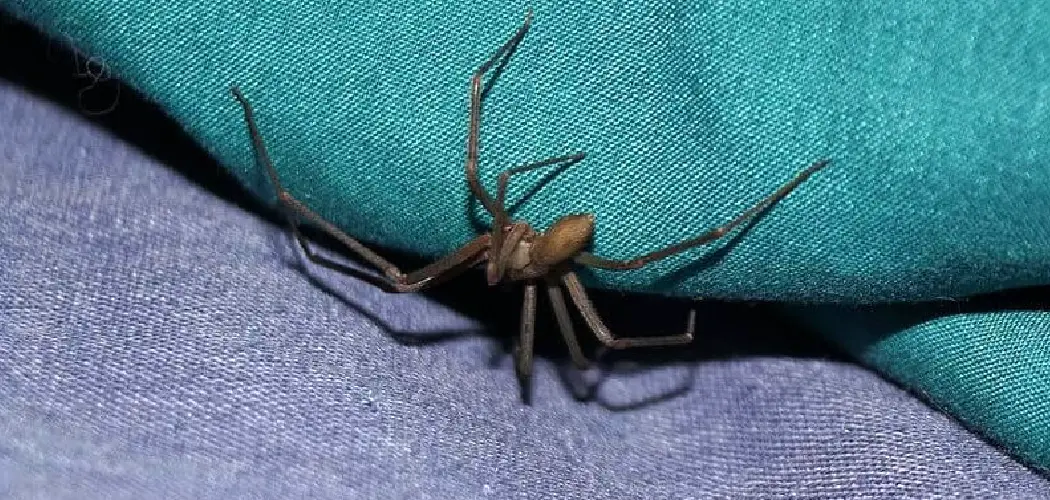
Discovering a black widow spider in your garage can trigger a genuine sense of fear and concern, and for good reason. These spiders are notorious for their potent venom and their unsettling habit of hiding in the dark, undisturbed corners where we often reach without looking. While it is important to know that a black widow bite is a rare event, the mere presence of these medically significant spiders in a space used by your family requires immediate and careful attention. You do not have to live with this eight-legged threat lurking in the shadows.
This guide is designed to provide a safe, effective, and comprehensive strategy for eliminating them from your garage and, just as importantly, for preventing their return. Learning how to get rid of black widow in garage spaces is a manageable process that any homeowner can undertake. It involves confident identification, careful physical removal of spiders and their egg sacs, and diligent preventative measures to make your garage an inhospitable environment for them in the future.
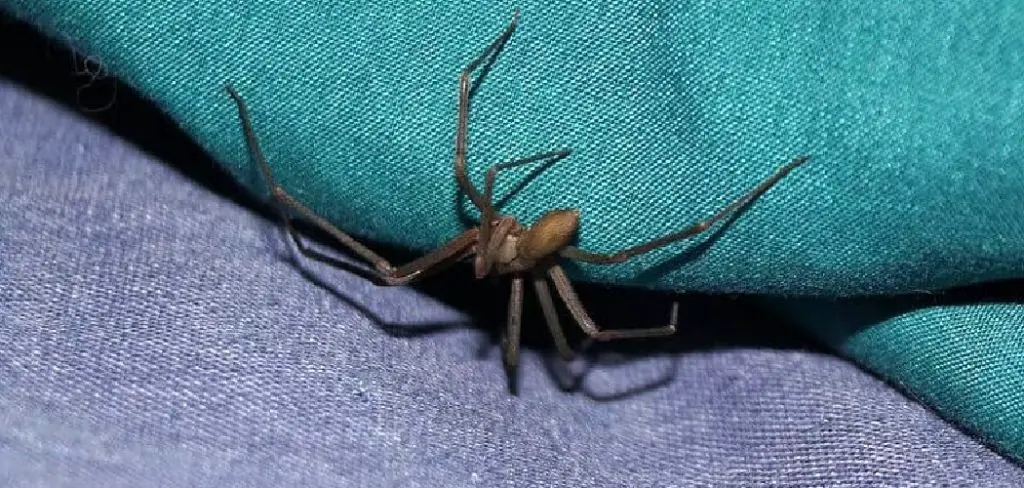
Black Widow Identification: Know Your Enemy
Before you declare war, you must be 100% certain you are dealing with the correct adversary. Many harmless spiders are mistaken for black widows. Correctly identifying the spider ensures you take the appropriate level of caution and action.
The Female Black Widow
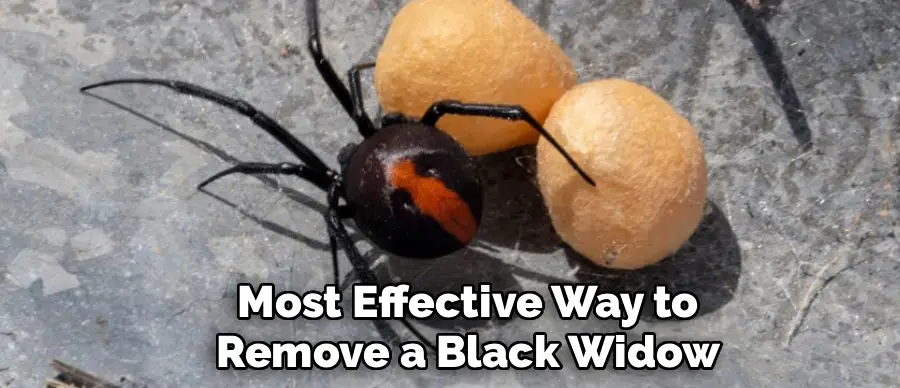
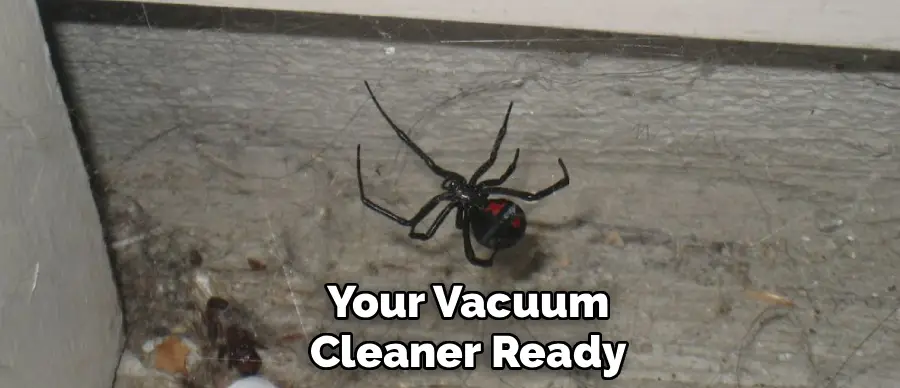
The spider that gives the species its fearsome reputation is the female. Her appearance is iconic and easy to recognize if you get a clear look. She has a shiny, jet-black, globular body with a large, bulbous abdomen. The most distinctive feature is the bright red hourglass marking on the underside of her abdomen. In some cases, this marking may look more like two separate triangles or a series of dots, but the vibrant red color on a shiny black body is the key giveaway. With her legs extended, a mature female is typically about 1.5 inches long.
Male and Juvenile Spiders
It is important to note that male and juvenile black widows look quite different and are not considered a medical threat. The male is significantly smaller, slimmer, and is usually light brown or gray, not black. He may have small red or white markings on the sides of his abdomen, but he lacks the classic hourglass. Juveniles of both sexes can have varied markings, often with white or orange stripes on their backs, and they become darker with each molt. While you should remove any spider you are uncomfortable with, the primary focus of your extermination efforts should be the easily identifiable and venomous adult female.

Web Characteristics
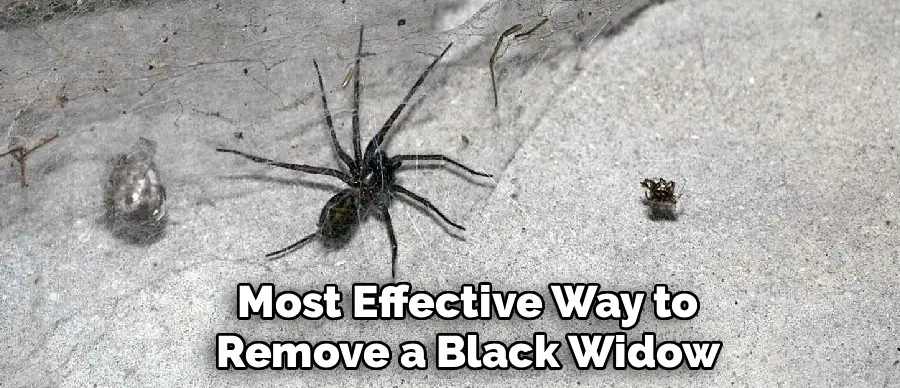
A black widow’s web is another excellent identification clue. Unlike the beautiful, organized webs of orb-weavers, a black widow’s web is a messy, irregular, and tangled cobweb. The silk, however, is unusually strong and resilient compared to that of other common house spiders. These webs are almost always built close to the ground, typically within one or two feet, in a dark, sheltered, and undisturbed location. The spider herself usually hides in a small funnel or crevice within the web during the day.
Understanding Black Widow Behavior and Habitat
Knowing where and why these spiders choose to live in your garage is fundamental to finding and eliminating them. Black widows are shy and reclusive creatures; they build their webs in places where they are unlikely to be disturbed and where a steady supply of crawling insects is available.
Preferred Hiding Spots
Black widows seek out dark, dry, and cluttered areas that offer protection and proximity to prey. In a typical garage, this means you should focus your search on specific locations. Common hiding spots include the dark corners near the floor, especially behind storage bins or equipment. They are frequently found under workbenches, inside stacks of firewood or lumber, and within cluttered shelving units. Stored items like old shoes, gardening gloves, and cardboard boxes also provide perfect voids for them to build a web.

Why They Choose Garages
A garage offers a black widow the perfect trifecta of survival needs. First, it provides shelter from the elements and from predators like birds and wasps. Second, it offers a plentiful supply of food. Garages are often home to a variety of insects like crickets, roaches, and beetles that crawl along the floor and become easily trapped in the spider’s low-lying web. Finally, the sheer volume of undisturbed corners and clutter in most garages creates an ideal habitat for these timid spiders to live and reproduce without being bothered.
Safety First: Preparing for Removal
This is not a task to be taken lightly. Before you begin to confront a black widow, you must take a few minutes to prepare properly. Your personal safety is the absolute top priority.
Essential Personal Protective Equipment (PPE)
Protecting yourself from the possibility of an accidental bite is non-negotiable. You must wear thick, heavy-duty gloves. Leather work gloves are ideal, as a spider’s fangs cannot penetrate them. Do not use thin latex or nitrile gloves. You should also wear a long-sleeved shirt, long pants, and sturdy, closed-toe shoes or boots. This ensemble minimizes exposed skin and provides a barrier between you and the spider.

Assembling Your Spider-Fighting Toolkit
Having the right tools ready will allow you to work efficiently and safely from a distance. A good, bright flashlight is essential for peering into the dark corners where black widows hide; a headlamp is even better, as it keeps both of your hands free. You will also need a long-handled broom or stick for carefully probing webs and moving items around from a safe distance. Finally, the most important tool in your arsenal will be a powerful vacuum cleaner, preferably a shop-style vac, with a long hose and crevice tool attachment.
Direct Removal: Physical Extermination Methods
When you locate a black widow or her egg sacs, you need to eliminate them immediately. Physical removal is the most effective and instant solution, ensuring the threat is dealt with on the spot.
The Vacuum Method
Using a vacuum cleaner with a hose attachment is by far the safest and most effective way to remove a black widow and her egg sacs from a distance. The powerful suction will instantly pull the spider, web, and any egg sacs into the vacuum. This method prevents you from having to get close to the spider and contains it securely.
After you have vacuumed up the spider and its sacs, you must immediately deal with the contents of the vacuum. Remove the vacuum bag, seal it inside a plastic garbage bag, and dispose of it in a secure outdoor trash can right away. If you have a bagless vacuum, empty the canister into a sealable bag and dispose of it in the same manner.
The Crushing Method
For a spider that is easily and safely accessible on the floor or a low wall, direct crushing is another option. Use a sturdy shoe or a long object like a block of wood to crush the spider decisively. This method should only be used if you can do so without any risk of making contact with the spider or having it fall on you. Be aware that this method can be messy and does not address any unseen egg sacs.
How to Get Rid of Black Widow in Garage: A Step-by-Step Clean-Out
A truly effective black widow removal strategy goes beyond just killing the one or two spiders you see. It involves a systematic, top-to-bottom clean-out of your entire garage to eliminate all spiders, their egg sacs, and the conditions that attract them.
Step 1: Suit Up and Prepare the Area
Begin by putting on all your personal protective equipment: gloves, long sleeves, long pants, and closed-toe shoes. It is best to undertake this project during the day when you have the advantage of natural light. Start by creating as much open space as possible. Move your cars out of the garage. If you have large, central items like a freezer or a rolling tool chest, move them to the middle of the floor to give yourself clear access to the walls and corners.
Step 2: Begin the Inspection
With your flashlight in one hand and a long stick or broom handle in the other, begin your methodical inspection. Start in one corner of the garage and work your way around the perimeter. Use the stick to carefully probe webs, lift the edges of stored items, and check underneath shelves. Shine your light into every dark crevice, behind appliances, inside concrete blocks, and along the base of the walls. Be slow and deliberate.
Step 3: Eliminate Spiders and Egg Sacs on Sight
As you conduct your inspection, have your vacuum cleaner ready. When you uncover a black widow or her distinctive egg sacs—which are spherical, beige or tan in color, and have a papery texture—immediately use the vacuum hose to remove them. Pay special attention to the egg sacs. Each one can contain hundreds of baby spiders, so removing them is just as important as removing the adult female.
Step 4: The Great Declutter
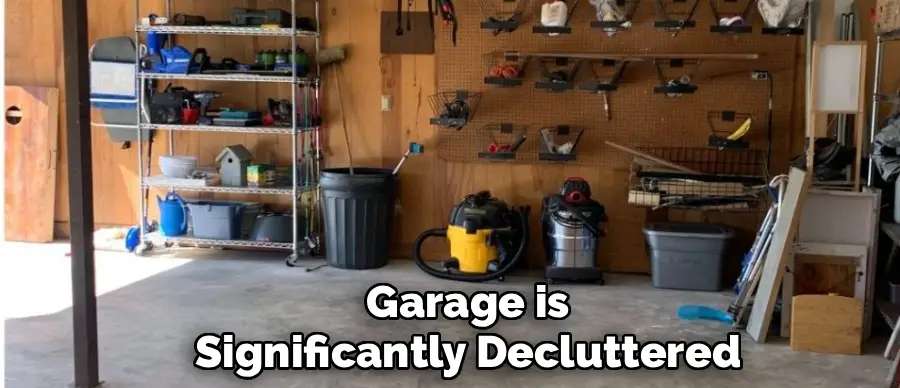
This is the most critical and labor-intensive step for long-term prevention. Black widows thrive in clutter. You must now go through all the items stored in your garage. Get rid of anything you do not need. For items you want to keep, switch from cardboard boxes to securely sealed plastic totes.
Cardboard absorbs moisture and attracts the insects that spiders feed on, while plastic totes create a pest-proof barrier. If you store firewood in your garage, move it outside and stack it on a rack at least 20 feet away from the house.
Step 5: Deep Clean the Entire Garage
Once the garage is significantly decluttered, it is time for a final, thorough cleaning. Use your vacuum’s hose and attachments to clean every remaining surface. Go over the walls, all the corners from floor to ceiling, any remaining shelves, and the entire floor. The goal is to remove any remaining hidden webs, unseen egg sacs, and the dead insects that serve as the spiders’ food source. A clean garage is an unattractive garage for a spider.
Chemical Control: Using Insecticides Safely
While physical removal and cleaning are the primary methods, chemical treatments can serve as a useful secondary measure for on-the-spot killing and creating a deterrent barrier.
Choosing the Right Product
For spiders you find during your clean-out, a contact-kill aerosol spray labeled for spiders or crawling insects can be effective. This provides an alternative to vacuuming or crushing. For long-term prevention, consider using a residual insecticide. These products can be sprayed around the perimeter of the garage, along the base of the foundation, in corners, and under shelves. They leave behind a residue that will kill spiders and other insects that cross over it for several weeks or months.
Application and Safety
If you choose to use chemical insecticides, you must read and follow the manufacturer’s instructions precisely. Ensure the garage is well-ventilated during and after application by opening doors and windows. Wear your PPE, including gloves and eye protection, during application. Most importantly, keep pets and children away from treated areas until the product has completely dried.
Long-Term Prevention: Making Your Garage Uninhabitable
With the immediate threat removed, your focus should shift to making sure black widows do not come back. This is all about exclusion and environmental control.
Sealing Entry Points
Take the time to inspect the exterior and interior of your garage for any potential entry points. Use high-quality silicone caulk to seal any cracks in the foundation, gaps in the siding, and spaces around where pipes, wires, or vents enter the garage. Check the weatherstripping around your main garage door and access doors. If it is worn or cracked, replace it to create a tight seal.
Controlling the Food Source
If there is no food, the spiders will not stay. Take steps to reduce the overall insect population in and around your garage. A simple but effective trick is to change any exterior light bulbs near the garage to yellow “bug lights.” These emit a wavelength of light that is far less attractive to moths, beetles, and other night-flying insects that are a primary food source for spiders.
Maintain a Clean and Tidy Space
The most important long-term strategy is to maintain the clean and organized space you created. Resist the urge to let clutter pile up again. Regularly sweep the floors and brush down any new cobwebs that appear. A tidy, well-lit, and regularly disturbed environment is the opposite of what a black widow looks for in a home.
What to Do If Bitten
While a bite is highly unlikely if you take proper precautions, it is crucial to know the symptoms and the correct response.
Symptoms of a Black Widow Bite
The initial bite may feel like a small pinprick or may not be felt at all. Within an hour, the site will show minor swelling, and two tiny fang marks might be visible. The real symptoms follow as the neurotoxin begins to affect the nervous system. These include intense, radiating pain and severe muscle cramping. The cramping is often most pronounced in the large muscles of the abdomen, causing it to become rigid and board-like. Other symptoms can include sweating, nausea, headache, and elevated blood pressure.
Immediate First Aid and Seeking Medical Help
If you suspect you have been bitten by a black widow, stay calm. Immediately wash the bite area with soap and water to help prevent infection. Apply a cold compress or ice pack to the site to help slow the spread of the venom and reduce pain.
Most importantly, seek immediate medical attention. Go to an emergency room or call your doctor right away. While fatalities are extremely rare, the pain can be excruciating, and medical treatment can provide significant relief. If it is possible to do so safely, try to capture the spider (even if crushed) for identification by the medical staff.
Conclusion
Finding a black widow in your garage is a serious issue, but it is one that you can resolve with a methodical and cautious approach. The most effective strategy is not just to kill a single spider but to undertake a thorough clean-out and decluttering of the entire space. This comprehensive effort removes existing spiders and their egg sacs while also eliminating the habitat they need to survive.
By combining physical removal with long-term preventative measures like sealing entry points and controlling the insect population, you can reclaim your garage and ensure it remains a safe space for your family. Knowing how to get rid of black widow in garage is about being proactive and creating a clean, sealed, and inhospitable environment. This diligence will provide a lasting solution and, most importantly, the peace of mind that comes from knowing your home is secure.

I am Rick. I grew up helping my dad with his handyman service. I learned a lot from him about how to fix things, and also about how to work hard and take care of business. These days, I’m still into fixing things- only now, I’m doing it for a living.
I’m always looking for new ways to help people grow and develop. That’s why I have created this blog to share all my experience and knowledge so
that I can help people who are interested in DIY repair.