
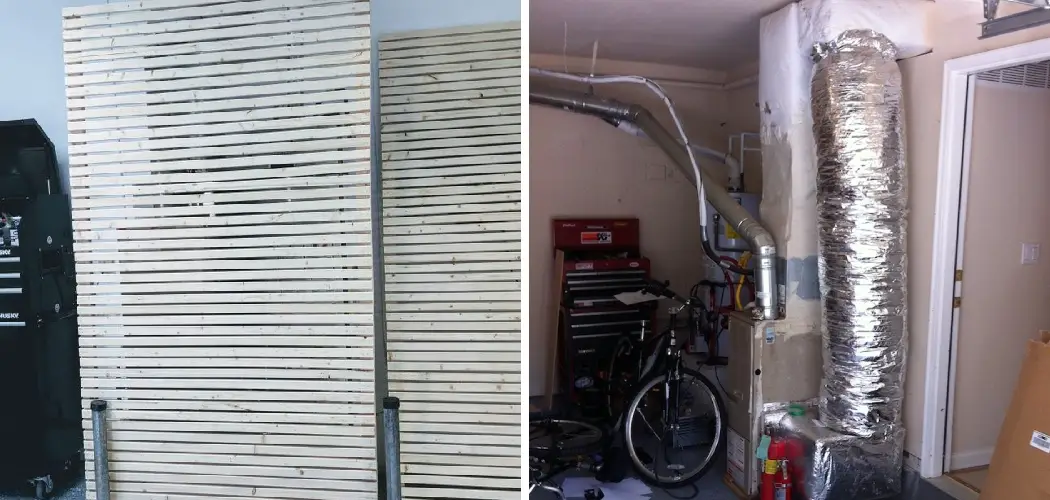
Walking into your garage should not feel like entering a mechanical utility room, but for many homeowners, the visual clutter of an exposed furnace makes it feel exactly that way.
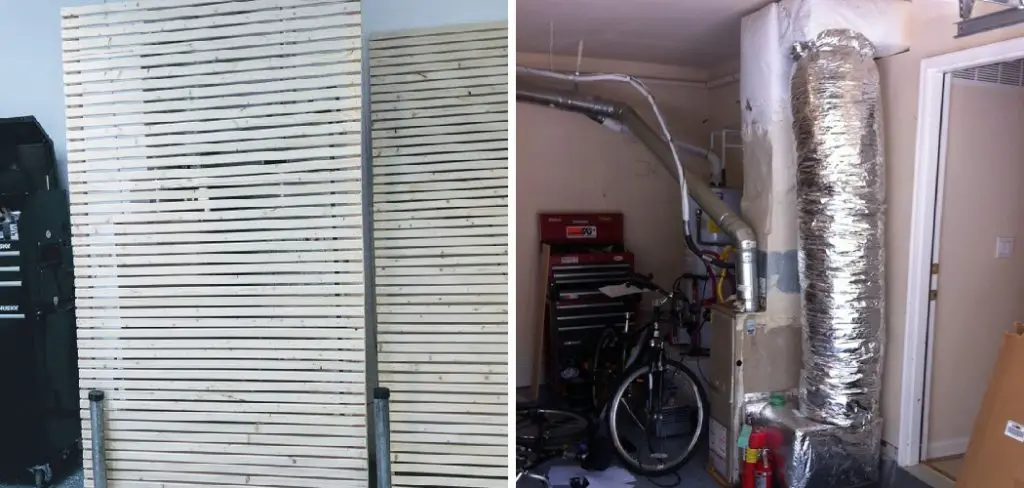
The furnace stands there—a hulking metal box surrounded by ducts, wires, and pipes—collecting dust and turning a potentially usable space into an eyesore. It is a common frustration, especially for those who use their garage as a workshop, gym, or extended living area. While the primary function of a furnace is utilitarian, its presence doesn’t have to ruin the aesthetic of your home.
The solution lies in creating a dedicated enclosure that blends seamlessly with the rest of the room. Learning how to cover furnace in garage space effectively does more than just hide an ugly appliance; it protects the unit from accidental bumps, reduces noise, and keeps dangerous debris away from the burner. However, this is not a project to rush into with just a few sheets of plywood and good intentions.
Enclosing a combustion appliance involves strict safety considerations regarding airflow and accessibility. This guide will walk you through the critical steps of planning, building, and finishing a safe enclosure that transforms your garage from a mechanical room into a finished, functional space.
Understanding Safety and Building Codes First
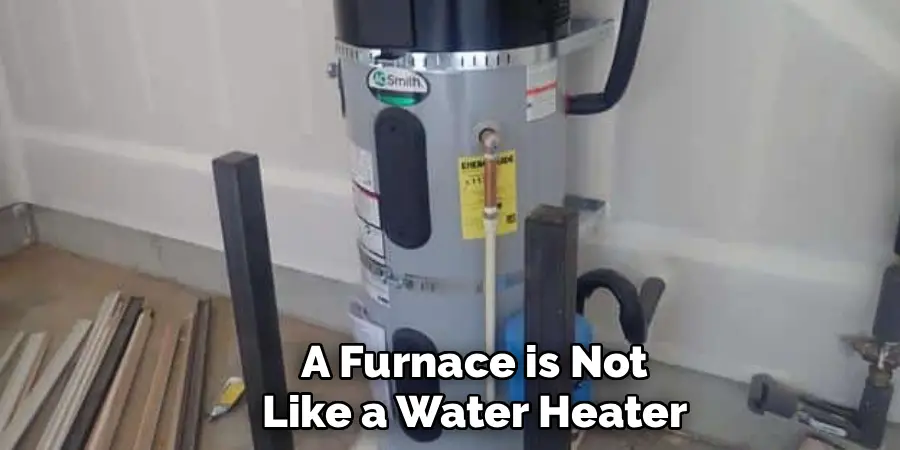
Before you purchase a single piece of lumber or drywall, you must understand the rules that govern furnace enclosures. A furnace is not like a water heater or a storage rack; it is a fire-breathing appliance that requires specific conditions to operate safely. The most critical factor is combustion air. Fuel-burning furnaces need a constant supply of fresh air to burn gas or oil efficiently. If you box in a furnace too tightly without accounting for this, you risk creating a vacuum that can pull dangerous carbon monoxide back into your home instead of venting it outside.
Ventilation Requirements
The specifics of airflow are non-negotiable. Most building codes have precise formulas for the amount of “free air” required based on the BTU rating of your furnace. If your furnace draws air from the surrounding garage space for combustion, you cannot simply seal it behind a solid door.
You must provide specific openings—usually one near the floor and one near the ceiling—to allow air to circulate freely. Failing to do this can cause the unit to overheat, malfunction, or create hazardous indoor air quality issues.
Clearance Zones
Beyond ventilation, you must respect the physical space the unit occupies. Every furnace manufacturer specifies “service clearance” zones in the installation manual. Typically, this means you must leave at least 30 inches of unobstructed space in front of the unit so a technician can access the control board, filter, and blower motor.
Additionally, there are clearance requirements for combustible materials. You generally cannot frame a wall directly against the side of a furnace; there must be a gap, often ranging from one to six inches, depending on the model, to prevent heat buildup from igniting the framing.
Assessing Your Garage Space and Furnace Type
Not all garages are built the same, and neither are furnaces. Before finalizing your design, take a moment to evaluate the specific constraints of your garage layout. Understanding the physical footprint and the mechanical requirements of your specific unit will dictate the design of your cover.
Measuring the Area
Start by taking precise measurements of the furnace’s height, width, and depth. As you measure, immediately add the required clearance zones to your numbers. If the furnace is 24 inches deep but requires 6 inches of clearance in the back and 30 inches in the front, your enclosure needs to be at least 60 inches deep.
Check the ceiling height as well. You will need to determine if your enclosure will go all the way to the ceiling or if you will build a “soffit” or roof over the unit. Remember to account for ductwork, gas lines, and condensate drain pipes that extend beyond the main metal cabinet.
Identifying Furnace Venting
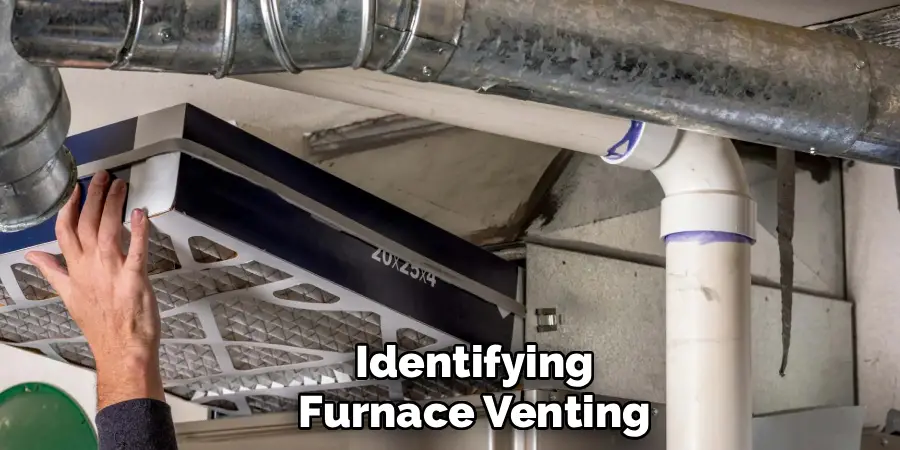
The type of furnace you have significantly impacts your options. A high-efficiency furnace, often identified by its PVC plastic venting pipes, draws combustion air directly from the outside through a dedicated pipe.
These units are generally easier to enclose because they do not rely on the garage air for burning fuel. In contrast, a standard-efficiency furnace with a metal flue pipe typically pulls air from the surrounding room. If you have the latter, your enclosure design must include large louvers or transfer grilles to ensure the unit doesn’t suffocate.
Materials You Should and Shouldn’t Use
When building around a heat source, your choice of materials is a safety decision, not just an aesthetic one. While it might be tempting to use leftover wood scraps or fabric to create a quick screen, these materials can pose serious fire hazards.
Fire-Rated Drywall and Metal
The safest route is to treat the enclosure like a firewall. Using 5/8-inch Type X drywall is highly recommended because it is specifically designed to resist fire for a longer period than standard drywall. If you are building a frame, consider using metal studs instead of wood, as they are non-combustible and won’t warp over time. For the exterior of the enclosure that faces the garage, you can use standard materials, but the interior facing the furnace should always be lined with fire-resistant materials.
Louvered Doors vs. Solid Doors
The door you choose is the critical link between the enclosed furnace and the rest of the garage. Solid core doors are excellent for soundproofing, but they block airflow completely. Unless you have a high-efficiency furnace that pulls air from outside, a louvered door is often the gold standard. Louvered doors feature angled slats that allow air to pass through freely while still visually blocking the view of the mechanical equipment inside. They strike the perfect balance between hiding the unit and letting it breathe.
Design Options for Hiding Your Furnace
Once you understand the safety parameters, you can explore the design that best fits your budget and DIY skills. There are several ways to tackle this project, ranging from permanent construction to flexible, semi-permanent solutions.
The Full Closet Build
The most polished and professional option is to build a permanent framed closet around the unit. This involves constructing stud walls, hanging drywall, and installing a proper door. This approach completely integrates the furnace into the architecture of the garage, making it look like a deliberate storage room rather than an afterthought. It offers the best sound dampening and protection, but requires the most effort and adherence to building codes.
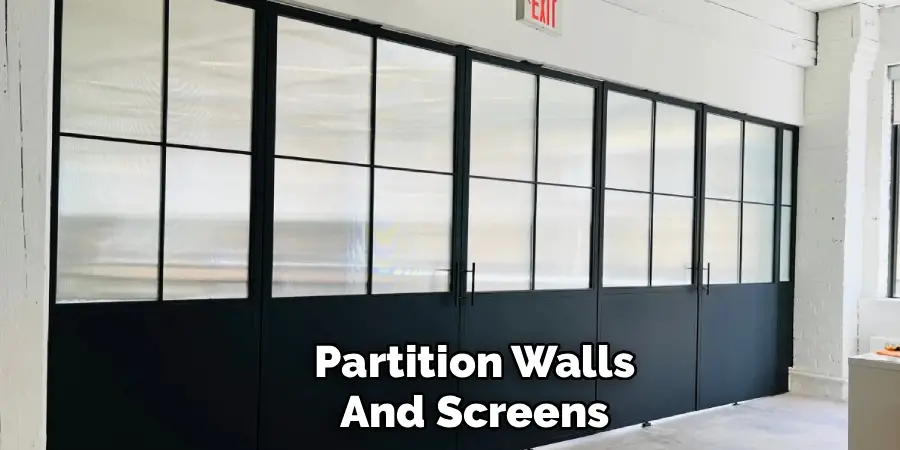
Partition Walls and Screens
If you are looking for a simpler, less permanent solution, partition walls or sliding screens are viable alternatives. A partition wall might only cover the front and one side of the furnace, leaving the back or top open for ventilation. Sliding screens on a track system can provide easy access for maintenance without the need for a swinging door clearance. These options visually separate the mechanical area from the rest of the garage without fully enclosing it, which can simplify the ventilation requirements.
Industrial Cabinetry Integration
For a modern, workshop-style garage, consider integrating the furnace cover into a larger storage system. You can purchase tall, industrial metal cabinets and modify one to house the furnace.
This requires cutting out the back and ensuring the cabinet is ventilated (often with mesh inserts), but the result is a sleek, cohesive look where the furnace simply disappears into a wall of matching tool storage. This is an excellent option for those who want a high-end finish without doing drywall work.
How to Cover Furnace in Garage: Step-by-Step Framing Guide
For those ready to commit to a permanent solution, building a utility closet is the most effective method. This section outlines the construction process for a basic, code-compliant enclosure.
Step 1: Planning and Marking the Layout
Begin by transferring your measurements to the garage floor. Use a chalk line to snap the layout of your new walls directly onto the concrete. Double-check your measurements to ensure you have maintained the mandatory 30-inch service clearance in front of the unit and the required spacing on the sides. Use a plumb bob or a laser level to transfer these lines to the ceiling joists above to ensure your top and bottom plates will be perfectly aligned.
Step 2: Framing the Walls
Cut your pressure-treated 2×4 lumber for the bottom plate (the piece that touches the concrete) and standard lumber for the top plate and studs. Fasten the top plate to the ceiling joists using framing screws. For the bottom plate, you will need to anchor it to the concrete floor.
You can use a powder-actuated tool or pre-drill holes and use concrete screws. Remember to leave a rough opening for the door that matches the specifications of your pre-hung door kit. Install studs on 16-inch centers between the plates to create a sturdy frame.
Step 3: Installing Electrical and Venting Rough-ins
Before closing up the walls, address any mechanical needs. If you need a light inside the closet for maintenance, run the wiring now. If your furnace requires a fresh air intake and you plan to install a transfer grille through the wall, frame out the opening for that grille. This is also the time to ensure the thermostat wire and any gas shutoff valves are accessible or properly routed so they aren’t buried behind the new studs.
Step 4: Hanging the Drywall
Install 5/8-inch Type X fire-rated drywall on the interior side of the studs first. This is crucial for fire protection. Once the interior is secure, you can hang standard drywall on the exterior face. When installing drywall around a furnace, try to minimize the number of joints to reduce air leakage. Tape and mud the joints carefully, applying at least two coats of joint compound to create a fire-resistant seal. Sand the finish smooth once it is dry.
Step 5: Installing the Door Frame and Door
The final structural step is setting the door. If you are using a pre-hung louvered door, slide the frame into the rough opening. Use shims to square the jamb, checking frequently with a level to ensure the door will swing properly without binding. Secure the jamb to the studs with long screws through the shims. Hang the door on the hinges and test the swing to ensure it clears all obstacles in the garage and closes securely.
Ensuring Proper Combustion Air Supply
Even with a well-built closet, you must verify that the furnace can breathe. If you have installed a solid door or built tight walls, you likely need to add specific ventilation measures to meet code.
Installing High and Low Vents
The “high-low” method is the industry standard for enclosed combustion appliances. This involves installing two permanent grilles in the wall or door of the closet. One grille is placed within 12 inches of the ceiling, and the other is placed within 12 inches of the floor. This arrangement takes advantage of natural convection; cool air enters the bottom vent to feed the flame, and warm air escapes through the top vent, keeping the closet temperature stable. The size of these vents is determined by the BTU rating of your furnace, so consult a professional or a sizing chart to ensure they are large enough.
Ducting Outside Air
In some cases, especially in tightly sealed modern homes or garages with fumes from paints and gasoline, it is safer to bring fresh air in from outside rather than using garage air. This involves running an insulated duct from an exterior wall directly into the furnace closet. This “combustion air pot” ensures the furnace always has a dedicated supply of clean oxygen, completely isolating it from the potential contaminants in the garage environment.
Finishing Touches and Maintenance Access
Once the construction is complete, the focus shifts to aesthetics and long-term usability. The goal is to make the closet look like it has always been there while ensuring it functions well for service technicians.
Painting and Trim
Paint the new walls to match the existing interior of your garage. Using a semi-gloss or satin exterior-grade paint is often a smart choice for garages as it is easier to wipe down and resists moisture better than flat paint. Install baseboard trim around the bottom of the closet to protect the drywall from bumps and moisture wicking from the concrete floor. Caulk all gaps around the trim and door frame for a polished, professional look.
Maintaining Serviceability
Your furnace requires regular attention, so accessibility is key. Ensure that the door opens fully—at least 90 degrees—without hitting a workbench or parked car. Do not install permanent shelving inside the service clearance zone. If you must store items in the furnace closet, keep them strictly to the sides and never block the unit’s front panel. Always keep a clear path to the filter slot so that changing the filter remains a quick, hassle-free task.
Common Mistakes to Avoid
Even with the best plans, homeowners often make critical errors that compromise safety. Being aware of these pitfalls can save you from a dangerous situation or a failed inspection.
Blocking Air Intakes
The most common mistake is unintentionally blocking the air vents. Never stack boxes, lean bicycles, or store gardening equipment in front of the louvered door or wall vents. Restricting this airflow starves the furnace, causing it to burn inefficiently and potentially producing high levels of carbon monoxide. Treat the area in front of the intake vents as a “no parking” zone.
Using Flammable Curtains
Some homeowners attempt to save money by hanging a fabric curtain across a corner to hide the furnace. This is highly dangerous. Standard fabrics are flammable and can easily be blown against the hot furnace cabinet or flue pipe by a draft. If you must use a flexible divider, ensure it is made of certified fire-retardant material and is weighted or secured so it cannot make contact with the unit.
Conclusion
Transforming the look of your garage by hiding the furnace is a rewarding project that significantly cleans up the visual noise of the space. However, knowing how to cover furnace in garage area correctly is about balancing design with strict safety protocols. A well-built enclosure does more than just mask the mechanical equipment; it creates a safer environment by protecting the unit and managing airflow properly.
By following clearance codes, using fire-rated materials, and ensuring adequate ventilation, you can build a structure that looks professional and functions safely. Whether you choose a simple partitioned screen or a fully framed closet, the result will be a garage that feels more finished, organized, and valuable. Always remember that while aesthetics are important, the safe operation of your furnace is paramount. If you are ever unsure about airflow calculations or venting requirements, consult a licensed HVAC technician to verify your plan before you build.

I am Rick. I grew up helping my dad with his handyman service. I learned a lot from him about how to fix things, and also about how to work hard and take care of business. These days, I’m still into fixing things- only now, I’m doing it for a living.
I’m always looking for new ways to help people grow and develop. That’s why I have created this blog to share all my experience and knowledge so
that I can help people who are interested in DIY repair.